Arthritic Foot Care: Managing Foot and Ankle Arthritis
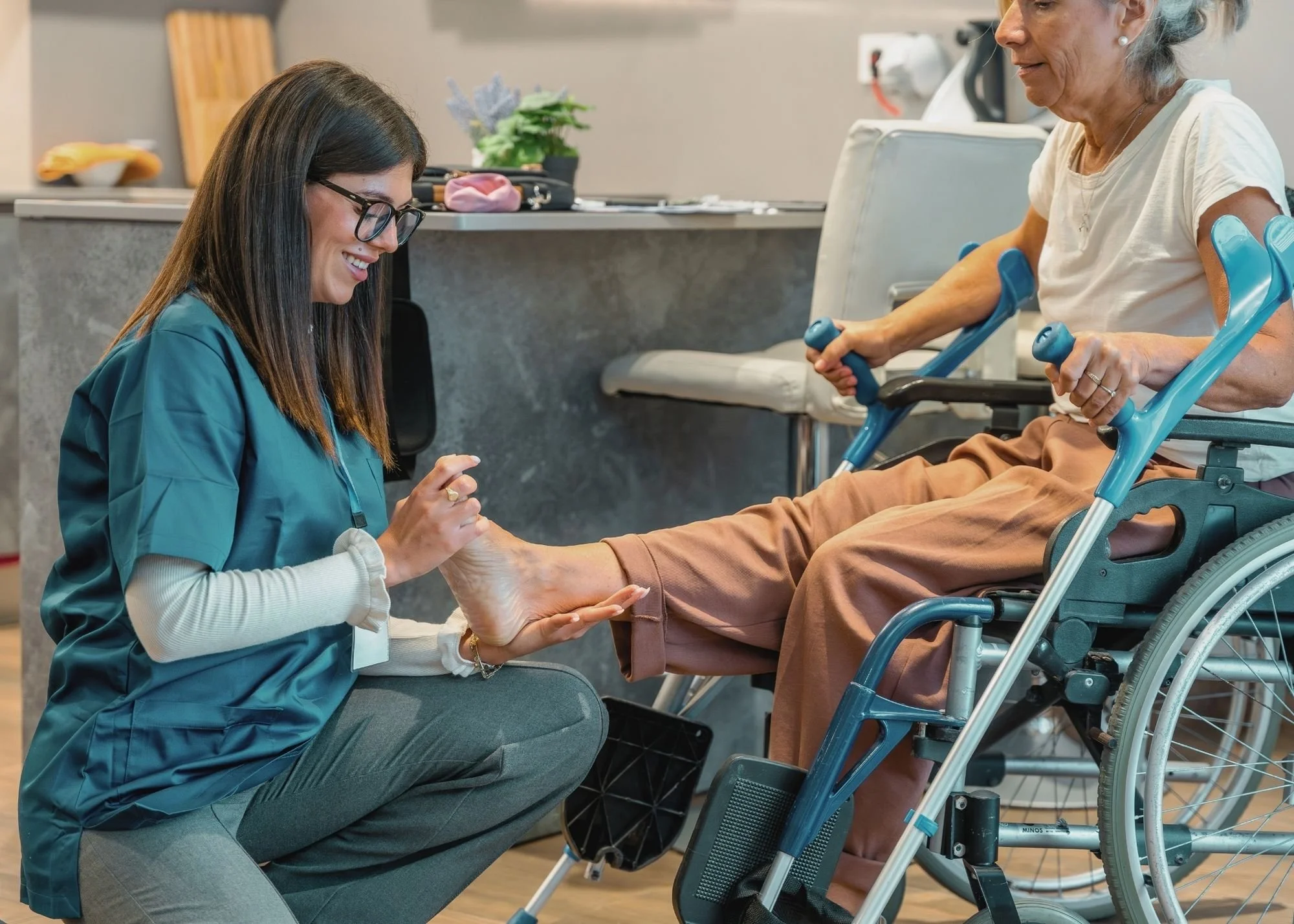
The feet contain 28 bones and over 30 joints — and any of those joints can develop arthritis. Foot and ankle arthritis is one of the most common — and underrecognized — sources of chronic foot pain. Patients often attribute their symptoms to "getting older" and accept significant limitations that don't need to be permanent. Modern arthritic foot care offers genuine options for maintaining mobility and reducing pain at every stage.
Types of Arthritis That Affect the Feet
Osteoarthritis
The most common type. Osteoarthritis is wear-and-tear arthritis — the cartilage that cushions joint surfaces gradually wears away, leading to bone-on-bone contact, inflammation, and pain. Most commonly affects:
The big toe joint (first MTP joint) — hallux rigidus
The midfoot joints
The ankle joint
The subtalar joint
Risk factors include age, prior injuries, obesity, occupation, and genetics.
Rheumatoid Arthritis
An autoimmune condition where the immune system attacks the joints, causing inflammation, joint damage, and deformity. Foot involvement is extremely common — often appearing early in the disease — and affects multiple joints simultaneously, typically in a symmetric pattern.
Post-Traumatic Arthritis
Develops after an injury — often years or decades later. Ankle fractures, severe sprains, and other foot injuries can damage cartilage in ways that lead to arthritis down the road.
Gout
A form of inflammatory arthritis caused by uric acid crystal deposition. Most commonly affects the big toe joint, causing dramatic pain, redness, and swelling during attacks.
Psoriatic Arthritis
Associated with the skin condition psoriasis. Can affect feet with characteristic patterns including dactylitis ("sausage toe") and enthesitis (inflammation where tendons insert into bone).
Other Forms
Reactive arthritis
Ankylosing spondylitis
Charcot arthropathy (most often associated with diabetes)
Symptoms
Arthritis symptoms vary by type and location, but common patterns include:
Pain in the affected joint, often worse with activity
Stiffness, particularly in the morning or after periods of rest
Swelling around the joint
Reduced range of motion
Visible joint deformity over time
Difficulty walking, especially on uneven surfaces
Pain that radiates to surrounding areas due to gait changes
Crepitus (grinding or crunching sensations) with joint movement
Inflammatory arthritis (rheumatoid, psoriatic, gout) often causes more dramatic flares with redness, warmth, and severe swelling.
Diagnosis
A podiatrist diagnoses arthritis through:
Detailed history (pattern of symptoms, joint involvement, family history)
Physical examination of joint motion, tenderness, and stability
Gait analysis
X-rays to visualize joint changes
Lab work for inflammatory markers and rheumatoid factors when appropriate
Joint fluid analysis in some cases
MRI for detailed soft tissue and cartilage assessment
Treatment Approaches
Lifestyle Modifications
Weight management (each pound matters significantly for foot joints)
Activity modification (lower-impact exercise, avoiding aggravating activities)
Appropriate footwear with cushioning and support
Ice or heat for symptom management
Medications
Anti-inflammatory medications (NSAIDs)
Topical anti-inflammatory creams and gels
Disease-modifying drugs for rheumatoid arthritis
Specific medications for gout
Pain management medications when needed
Custom Orthotics and Bracing
Custom orthotics offload painful joints, accommodate deformities, and improve gait mechanics. For ankle arthritis, ankle-foot orthoses (AFOs) or specific bracing can dramatically reduce pain.
Physical Therapy
Specific exercises maintain range of motion, strengthen supporting muscles, and improve gait efficiency. Aquatic therapy is particularly valuable for arthritis patients.
Injections
Corticosteroid injections for inflammation
Platelet-rich plasma (PRP) for some patients
Surgical Options
When conservative measures aren't enough, surgical treatment can dramatically improve quality of life:
Cheilectomy (removing bone spurs and damaged tissue) for early big toe arthritis
Joint fusion (arthrodesis) for severe arthritis — eliminates the joint motion but eliminates the pain
Joint replacement for selected cases
Realignment procedures
Cartilage restoration techniques in selected patients
Daily Self-Care
Gentle stretching of feet and calves daily
Low-impact exercise (swimming, cycling, walking)
Anti-inflammatory diet considerations
Adequate rest during flares
Proper footwear (replace worn-out shoes promptly)
Heat or ice as needed for symptom relief
Foot inspection for pressure points and skin changes
When to See a Podiatrist
Persistent foot or ankle pain that limits activities
Joint stiffness that doesn't resolve with movement
Visible joint changes or developing deformities
Difficulty wearing previously comfortable shoes
Acute joint flares (sudden severe pain, redness, swelling)
Diagnosis of any inflammatory arthritis (proactive foot care matters)
Worsening symptoms despite home care
At Table Mountain Foot and Ankle, we treat foot and ankle arthritis across every type and stage. Effective management can dramatically improve quality of life — even when "cure" isn't the goal. Schedule an appointment to address arthritis pain that's limiting your activities.