
Conditions · Plantar Fasciitis
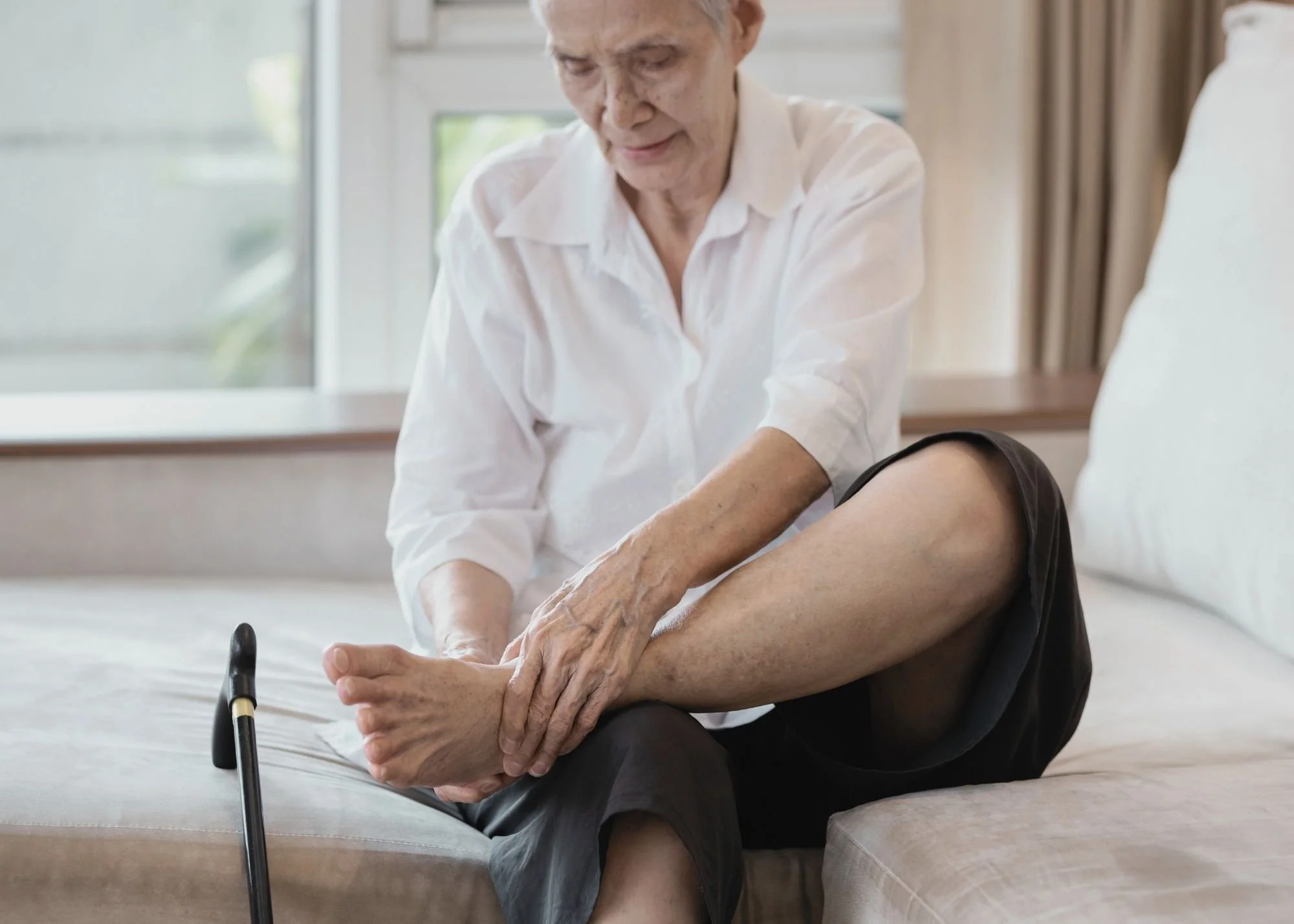
The first step out of bed shouldn't hurt this much.
Sharp, knife-like pain in your heel with the morning's first steps is the calling card of plantar fasciitis — the most common cause of heel pain we treat across the Front Range. With the right plan, it's also one of the most treatable.
Wheat Ridge
⛰
Boulder
⛰
Arvada
⛰
Lakewood
⛰
Golden
⛰
Edgewater
⛰
Louisville
⛰
Lafayette
⛰
Superior
⛰
Broomfield
⛰
Erie
⛰
Longmont
⛰
Wheat Ridge ⛰ Boulder ⛰ Arvada ⛰ Lakewood ⛰ Golden ⛰ Edgewater ⛰ Louisville ⛰ Lafayette ⛰ Superior ⛰ Broomfield ⛰ Erie ⛰ Longmont ⛰
THE PROBLEM
It's not just heel pain.
It's a fascia under strain.
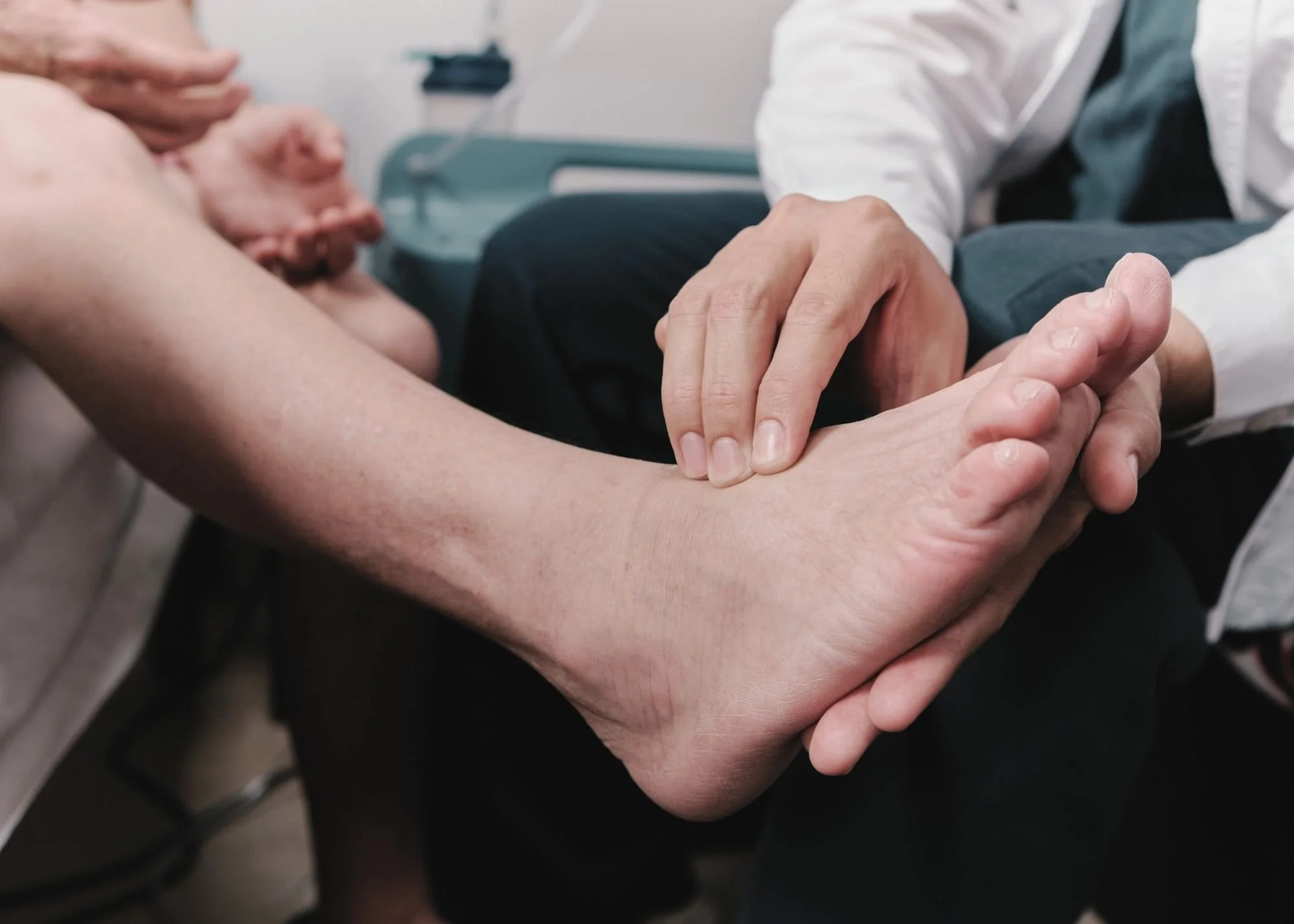
The plantar fascia is a thick band of tissue that runs along the bottom of your foot, supporting your arch with every step you take. When it becomes inflamed or develops microscopic tears, the result is a sharp, stabbing pain in the heel — worst with the first steps of the morning or after sitting still.
Most patients try to push through it for months before seeking care. By the time they come in, the condition has been ruling their schedule far longer than it needed to — and chronic plantar fasciitis takes meaningfully longer to treat than the recently developed kind.
COMMON SYMPTOMS WE LOOK FOR
— Morning pain. Sharp, knife-like heel pain with your first steps after waking.
— Pain after rest.Stiffness and discomfort returning after sitting still.
— Worse with activity.Pain that builds during long walks, runs, or hikes.
— Heel-focused.Tenderness localized to the bottom of the heel, sometimes radiating into the arch.
How We Treat It
A treatment plan built for how you actually live.
Plantar fasciitis treatment isn't one-size-fits-all — and it's rarely a single intervention. Most cases need a layered approach that addresses the inflammation, the underlying biomechanics, and the daily habits keeping the fascia under strain.
We start with a thorough evaluation: gait analysis, range-of-motion testing, and in-office digital imaging when warranted. From there, the plan fits your activity level — Front Range trail runner, Denver commuter, or somewhere in between.
For active patients, our sports medicine approach integrates training adjustments alongside clinical treatment so you don't lose your fitness while you recover.
Most patients see meaningful relief within a few weeks of starting the right combination. For the small percentage who don't respond to conservative care, we offer advanced options before surgery is ever on the table.
TREATMENT OPTIONS WE OFFER FOR PLANTAR FASCIITIS
— Stretching Protocols
— Night Splints
— Cortisone Injections
— Physical Therapy Referrals
🏆 Best of Mile High 2023
🏆 Best of Mile High 2025
🏆 Best of Mile High 2024
⭐ Nextdoor Neighborhood Fave
Voted Best Podiatrist in the Best of Mile High — three years running.
RECOGNITION
We've been honored to be voted Best Podiatrist in the Best of Mile High in 2023, 2024, and 2025, and we've been named a Neighborhood Fave by Nextdoor. We've also earned a 4.8-star rating from more than 1,300 patients across our two offices. We mention this because we're proud of it — but also because those ratings are built one visit at a time, by real patients who took the time to say something. We don't take that lightly.
how it works
Three steps to walking without pain again.
The path from your first phone call to lasting relief is simpler than most patients expect — and we'll walk you through every part of it.
STEP 1
Call to schedule
Pick the office that's most convenient — Wheat Ridge or Boulder — and call to book. New patients are always welcome, and most insurance plans are accepted.
01
STEP 2
Come in for a thoughtful evaluation
Your first visit is a conversation, not a conveyor belt. We listen to your history, examine what's going on, and use in-office digital X-rays or musculoskeletal ultrasound if we need a closer look.
02
STEP 3
Start a plan built around you
You'll leave understanding your condition, your options, and exactly what the next step looks like. No pressure, no upsell — just steady care.
03
Related Resources
Keep reading from our patient education library.
Advanced Treatment
Radial shockwave therapy
Acoustic wave therapy for chronic plantar fasciitis when conservative care hasn't fully resolved symptoms. Non-invasive, in-office, no downtime.
Blog · Footwear
Arch support & running shoes: a guide for active Coloradans
How to choose the right shoes for your arch type — and when custom orthotics outperform stock support.
Treatment Service
Custom orthotics
The single most impactful long-term treatment for plantar fasciitis tied to flat feet, fallen arches, or biomechanical issues.
Blog · Self-Care
Foot exercises for strong, pain-free feet
The stretches and strengthening movements that keep plantar fasciitis from coming back.
Related Condition
Heel spurs
Often diagnosed alongside plantar fasciitis — but they're not always the source of pain. Here's the difference and when treatment is actually warranted.
Blog · Deep Dive
Heel pain decoded: plantar fasciitis, heel spurs, bursitis & more
A complete guide to the dozen conditions that cause heel pain — and how a podiatrist tells them apart.
ANSWERS TO COMMON QUESTIONS
Frequently Asked Questions
-
Most cases of plantar fasciitis improve within 6 to 12 weeks of starting an appropriate treatment plan, though chronic cases that have persisted for over six months may take 3 to 6 months to fully resolve.
Mild, recently developed plantar fasciitis often responds within a few weeks of consistent stretching, supportive footwear, and activity modification. Chronic plantar fasciitis typically benefits from more advanced treatments like custom orthotics, radial shockwave therapy, or regenerative injections. The single biggest factor in recovery timeline is how early treatment starts: patients who come in within the first few weeks of symptoms recover dramatically faster than those who wait.
-
For immediate plantar fasciitis pain relief, roll a frozen water bottle under the arch for 10 to 15 minutes, perform the plantar fascia stretch (pulling toes back toward the shin for 30 seconds), wear supportive shoes even at home, and avoid barefoot walking on hard surfaces.
For lasting relief, however, you need to address the underlying cause — typically tight calf muscles, fallen arches, or biomechanical issues that overload the fascia with every step. Custom orthotics designed specifically for your foot mechanics produce significantly faster and more durable relief than generic insoles. Most patients combine multiple approaches under the guidance of a podiatrist for the best results.
-
No, plantar fasciitis and heel spurs are distinct conditions. Plantar fasciitis is inflammation of the plantar fascia tissue. A heel spur is a bony growth on the heel bone. They often appear together but are not the same thing.
Heel spurs frequently show up on imaging in patients with chronic plantar fasciitis, but research has shown that the spur itself is rarely the actual source of pain. Plenty of people have heel spurs visible on X-ray with no symptoms at all, while others have severe plantar fasciitis with no visible spur. Treatment focuses on the plantar fasciitis — addressing the spur surgically is rarely necessary.
-
Mild plantar fasciitis often allows continued running with modifications — reduced mileage, softer surfaces, supportive footwear, daily stretching, and avoiding hill workouts. Moderate to severe cases typically require a temporary running pause to allow the fascia to heal.
For Boulder and Front Range runners, this often means temporarily swapping the steepest trails for flatter routes during recovery. Continuing to run through significant pain almost always extends the recovery timeline and can lead to compensatory injuries in the knee, hip, or back. Our sports medicine team works with runners across every level to find the right balance — keeping you training when possible and pulling back only when truly necessary.
-
Yes — most major insurance plans cover plantar fasciitis evaluation and treatment, including office visits, imaging, and many treatment options. Table Mountain Foot & Ankle accepts most major insurance plans, Medicare, and workers' compensation.
Specific coverage varies by plan, particularly for advanced treatments like radial shockwave therapy or regenerative medicine, which are sometimes considered elective. Custom orthotics may be partially covered depending on your plan and diagnosis. Our front office team can verify your specific benefits before your appointment so there are no surprises — just call either location to get started.

READY WHEN YOU ARE
Call to schedule your visit.
We see patients from across the Denver metro area at our Wheat Ridge and Boulder offices. Both locations are accepting new patients, and both offer free parking. Call whichever office is most convenient — we'll take it from there.