
services · sports medicine
Active in Colorado means injuries happen. Where you go matters.
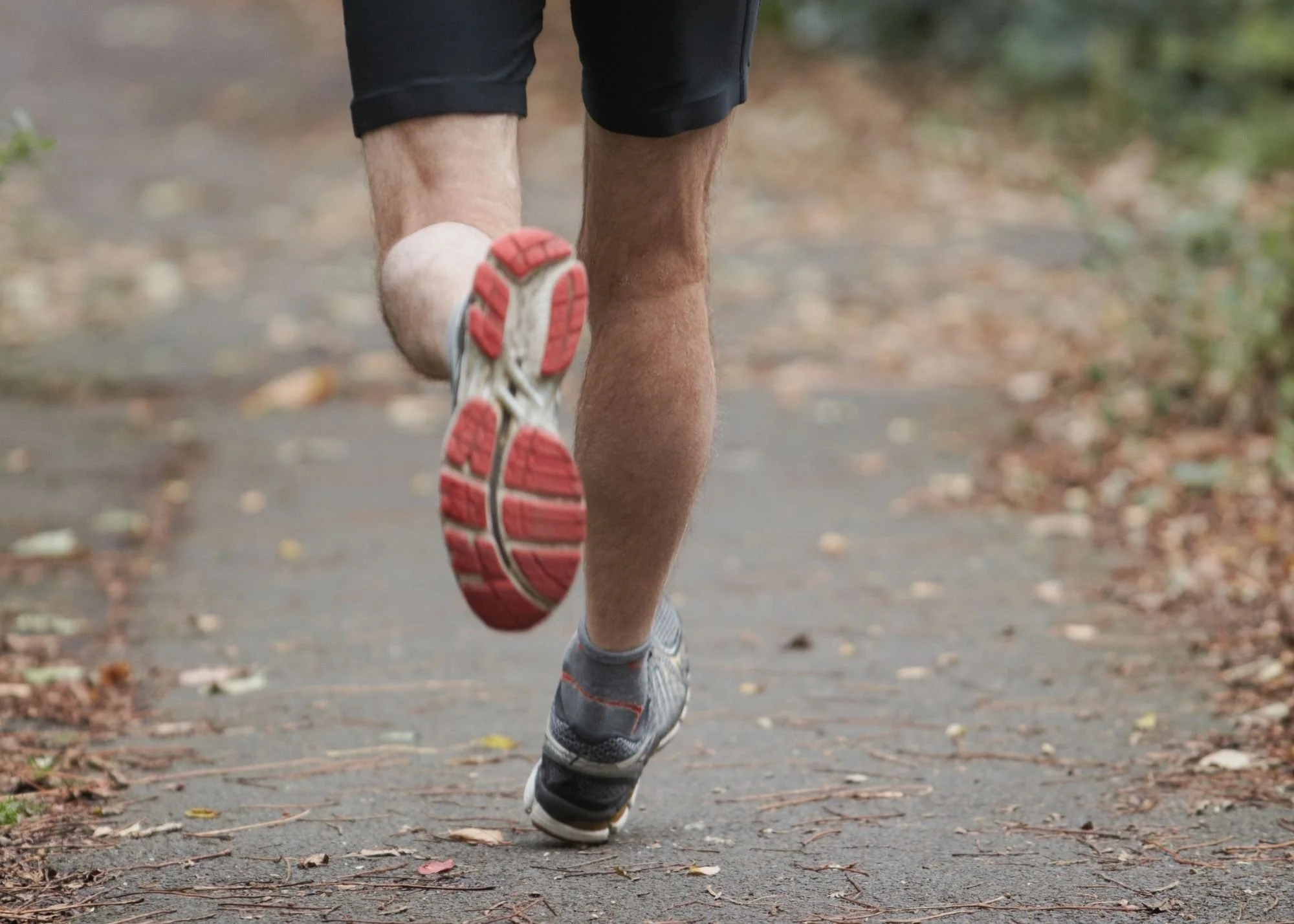
From Boulder runners chasing the next PR to Front Range hikers tackling the highest peaks to recreational athletes balancing training with the rest of life, active Coloradans need podiatrists who understand both the medicine and the sport. We treat athletes like athletes, not like generic patients.
Wheat Ridge
⛰
Boulder
⛰
Arvada
⛰
Lakewood
⛰
Golden
⛰
Edgewater
⛰
Louisville
⛰
Lafayette
⛰
Superior
⛰
Broomfield
⛰
Erie
⛰
Longmont
⛰
Wheat Ridge ⛰ Boulder ⛰ Arvada ⛰ Lakewood ⛰ Golden ⛰ Edgewater ⛰ Louisville ⛰ Lafayette ⛰ Superior ⛰ Broomfield ⛰ Erie ⛰ Longmont ⛰
About This Service
What sports medicine podiatry actually involves.
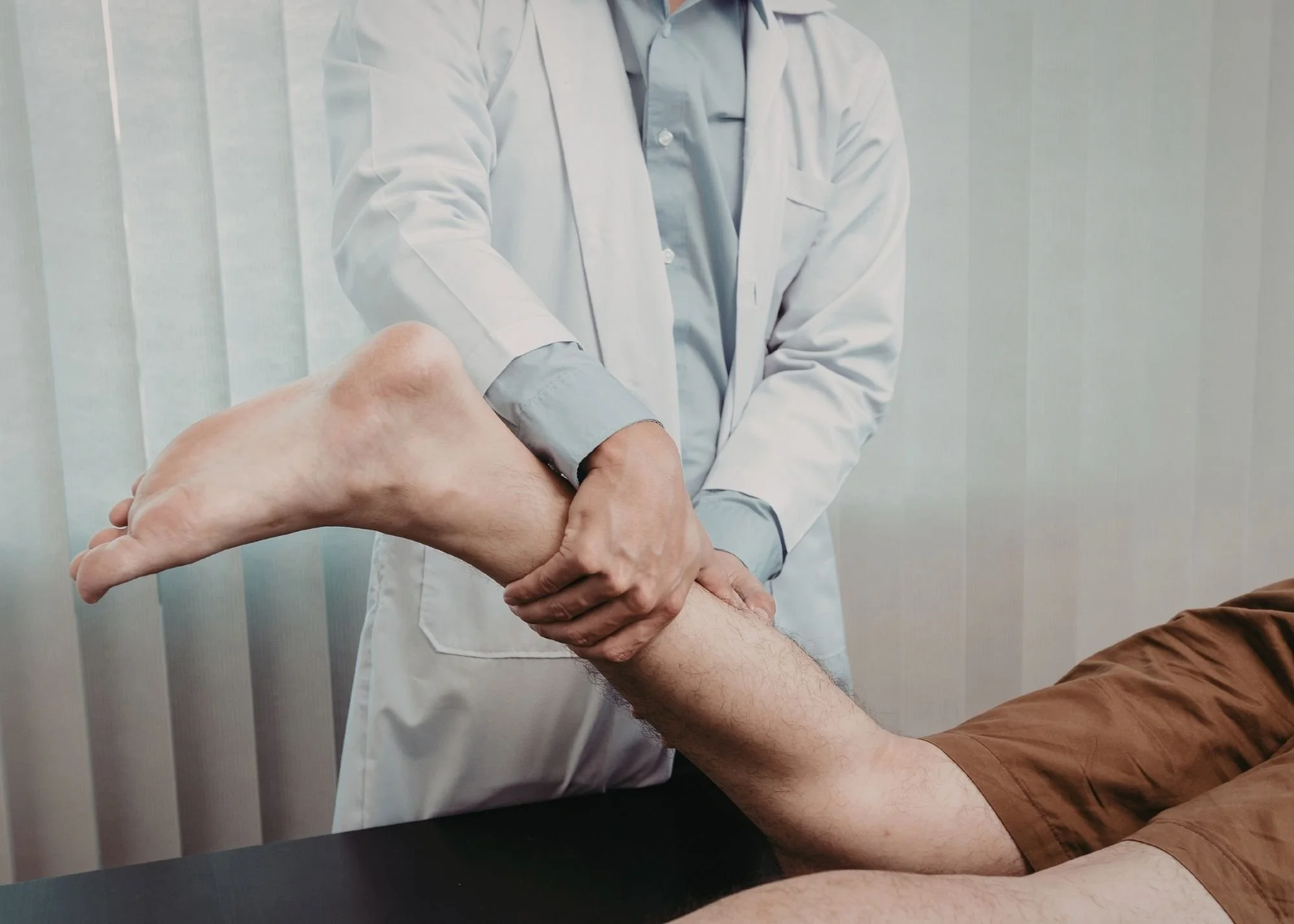
Sports medicine podiatry combines clinical foot and ankle expertise with deep understanding of athletic training, biomechanics, and return-to-sport progression. The conditions we treat overlap significantly with general podiatry — plantar fasciitis, Achilles tendinopathy, ankle sprains, stress fractures — but the context is different. So is the treatment approach.
Effective sports medicine care addresses the injury, the underlying causes, and the return-to-sport plan as a coordinated package. Treating an Achilles tendon issue without addressing the gait pattern that contributed to it sets up the next injury. Returning to running too quickly after a stress fracture risks reinjury. Our approach integrates clinical treatment with training modifications, biomechanical correction, and structured progression back to full activity.
WHAT'S INCLUDED IN THIS SERVICE
— Sports-specific evaluation. Gait analysis on a treadmill when warranted, training history review, and assessment of how your specific sport interacts with your injury.
— Treatment plan with return-to-sport timeline. Clinical care integrated with structured progression back to your activity level, not generic advice to "take it easy."
— Biomechanical correction. Custom orthotics, gait modifications, and footwear recommendations matched to your sport and structure.
— Coordination with your team. Communication with coaches, physical therapists, and other providers when warranted to support coordinated care.
Who This Is For
Most patients we see in sports medicine fall into specific categories: runners with overuse injuries (plantar fasciitis, Achilles tendinopathy, stress fractures), hikers and backpackers with foot pain that's limiting their adventures, recreational athletes with recurring injuries that suggest underlying biomechanical issues, and serious athletes managing acute injuries with competition timelines.
For Boulder and Front Range runners specifically, the combination of high-altitude training, technical trail terrain, and significant weekly mileage creates a specific injury profile we know well. Our approach addresses the demands of Colorado running rather than treating runners as generic patients.
Built for the athletes who refuse to give up their sport.
For hikers and backpackers, weekend warriors who push hard during peak season, and patients managing recurring injuries from outdoor activities, biomechanical correction often makes the difference between continuing to enjoy your sport and gradually giving it up. Custom orthotics, footwear evaluation, and gait modifications address the issues at their source.
For competitive athletes — high school, collegiate, masters competitors — we coordinate care with realistic competition timelines. Sometimes that means aggressive treatment to return to play. Sometimes it means honest conversations about when to skip an event for the sake of long-term performance. Our approach respects the athlete's goals while protecting long-term health.
CONDITIONS AND CONCERNS WE ADDRESS
— Achilles Tendinopathy →
— Plantar Fasciitis →
— Ankle Sprains →

Voted Best Podiatrist in the Best of Mile High — three years running.
RECOGNITION
We've been honored to be voted Best Podiatrist in the Best of Mile High in 2023, 2024, and 2025, and we've been named a Neighborhood Fave by Nextdoor. We've also earned a 4.8-star rating from more than 1,300 patients across our two offices. We mention this because we're proud of it — but also because those ratings are built one visit at a time, by real patients who took the time to say something. We don't take that lightly.
🏆 Best of Mile High 2023
🏆 Best of Mile High 2024
🏆 Best of Mile High 2025
⭐ Nextdoor Neighborhood Fave
how it works
Three steps to walking without pain again.
The path from your first phone call to lasting relief is simpler than most patients expect — and we'll walk you through every part of it.
STEP 1
Call to schedule
Pick the office that's most convenient — Wheat Ridge or Boulder — and call to book. New patients are always welcome, and most insurance plans are accepted.
01
STEP 2
Come in for a thoughtful evaluation
Your first visit is a conversation, not a conveyor belt. We listen to your history, examine what's going on, and use in-office digital X-rays or musculoskeletal ultrasound if we need a closer look.
02
STEP 3
Start a plan built around you
You'll leave understanding your condition, your options, and exactly what the next step looks like. No pressure, no upsell — just steady care.
03
Related Resources
Keep reading from our patient education library.
Related condition
Plantar fasciitis
Common in runners and active patients. Sports medicine approach addresses both treatment and the gait patterns driving the condition.
Blog · Footwear
Arch support & running shoes: a guide for active Coloradans
How to choose running shoes that match your gait — and when custom orthotics outperform stock support.
Treatment service
Custom orthotics
For active patients, custom orthotics often make the difference between recurring injury cycles and sustainable training.
Blog · recovery
Foot exercises for strong, pain-free feet
Strengthening and mobility work that supports athletic performance and prevents recurring injury.
Related condition
Achilles tendon
One of the most common sports medicine conditions we treat — and one where accurate diagnosis dramatically affects recovery timeline.
Blog · running
Achilles tendon pain in runners: causes, symptoms, and treatment
A complete guide to Achilles tendon problems for runners — what they actually are and how a podiatrist treats them.
ANSWERS TO COMMON QUESTIONS
What patients ask about sports medicine.
-
Sports medicine podiatrists specialize in foot and ankle conditions affecting athletes and active patients. Beyond clinical care, they understand training principles, biomechanics specific to different sports, return-to-activity progression, and the realities of athletic schedules. The clinical conditions are often the same as general podiatry — but the context and treatment approach differ.
For active patients, this difference matters significantly. A generalist might tell a runner to "take a few weeks off" without understanding what that means for marathon training. A sports medicine podiatrist provides specific guidance: which workouts to modify, which to skip entirely, when to push through and when to back off, and how to maintain fitness while injured. The clinical treatment integrates with training in a way that produces better outcomes for athletes.
-
For most running injuries — plantar fasciitis, Achilles tendinopathy, stress fractures, ankle sprains — a sports medicine podiatrist is well-suited to provide comprehensive care. For complex orthopedic issues involving the lower leg or knee, an orthopedic surgeon may be more appropriate. The right specialist depends on the specific condition.
Many running injuries involve overlap between podiatry and orthopedics. Plantar fasciitis is firmly podiatric. ACL injuries are firmly orthopedic. Achilles tendinopathy can be effectively managed by either specialty. For uncertainty, starting with podiatry often makes sense because most running injuries are foot or ankle conditions. We coordinate with orthopedic colleagues when complex cases warrant it.
-
Return-to-running timelines vary significantly by injury. Mild plantar fasciitis or muscle strains may allow continued running with modifications. Stress fractures typically require 6 to 8 weeks of relative rest. Severe Achilles tendinopathy may require 3 to 6 months. Surgical recovery can require 6 to 12 months. Accurate diagnosis is essential for realistic timelines.
The biggest factor in return-to-running timelines is the specific injury. The next biggest factor is patient compliance with the rehabilitation protocol. Runners who push back to mileage too quickly often re-injure or develop compensatory injuries. Those who follow structured progression — typically gradually increasing run-walk intervals before sustained running — return to full training without setbacks. We provide specific protocols rather than generic advice.
-
For athletes with biomechanical issues contributing to recurring injuries, custom orthotics often produce dramatic improvement. They address the specific gait patterns driving the injury rather than just treating symptoms. For athletes without significant biomechanical issues, quality stock insoles may be adequate.
Common scenarios where custom orthotics make a meaningful difference for athletes include runners with recurring plantar fasciitis or Achilles issues despite multiple shoe changes, hikers with overpronation contributing to knee or hip pain, court sport athletes with recurring lateral ankle issues, and any athlete with structural foot abnormalities affecting performance. We're honest about which athletes will benefit from custom orthotics versus those who do well with stock support.
-
Yes, most major insurance plans cover medical evaluation and treatment of sports injuries. Coverage typically includes office visits, imaging, conservative care, and surgical procedures when warranted. Custom orthotics coverage varies by plan and specific diagnosis. Table Mountain Foot & Ankle accepts most major insurance plans, Medicare, and workers' compensation.
Workers' comp coverage for athletic injuries depends on whether they occurred during work-related activities. Coverage for advanced therapies like regenerative medicine or radial shockwave varies by plan — these are sometimes considered elective. Our front office team verifies your specific benefits before treatment. For athletes paying out-of-pocket, we discuss costs upfront so you can make informed decisions.

READY WHEN YOU ARE
Call to schedule your visit.
We see patients from across the Denver metro area at our Wheat Ridge and Boulder offices. Both locations are accepting new patients, and both offer free parking. Call whichever office is most convenient — we'll take it from there.