
treatments ·Lapiplasty®
The bunion comes back when you only fix the bump.
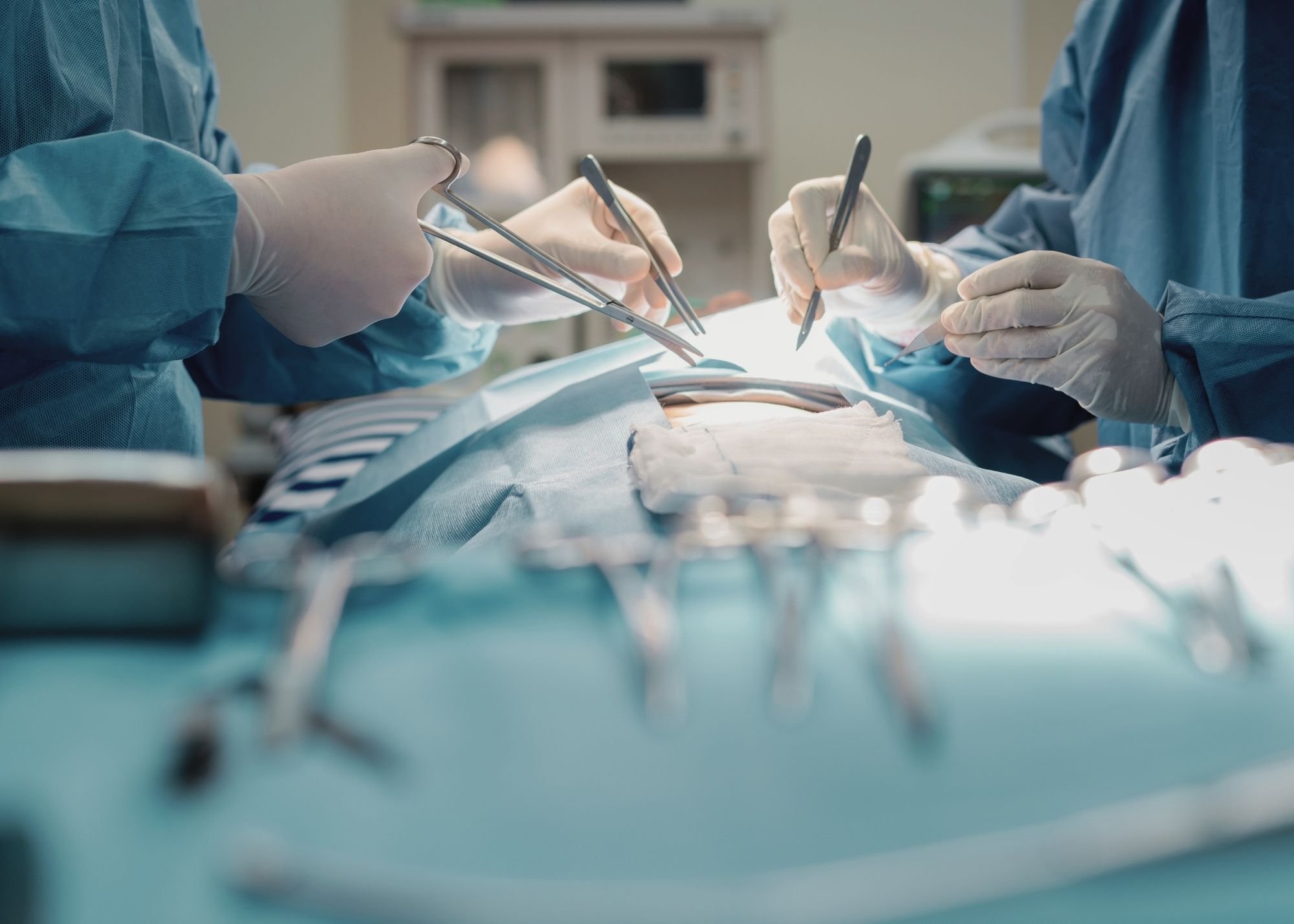
Lapiplasty® is a 3D bunion correction technique that addresses the root cause of bunions — the misaligned bone behind the bump — not just the visible deformity. The result: faster recovery, more durable correction, and significantly lower recurrence rates than traditional bunion surgery.
Wheat Ridge
⛰
Boulder
⛰
Arvada
⛰
Lakewood
⛰
Golden
⛰
Edgewater
⛰
Louisville
⛰
Lafayette
⛰
Superior
⛰
Broomfield
⛰
Erie
⛰
Longmont
⛰
Wheat Ridge ⛰ Boulder ⛰ Arvada ⛰ Lakewood ⛰ Golden ⛰ Edgewater ⛰ Louisville ⛰ Lafayette ⛰ Superior ⛰ Broomfield ⛰ Erie ⛰ Longmont ⛰
how it works
Three-dimensional Lapiplasty correction at the source.
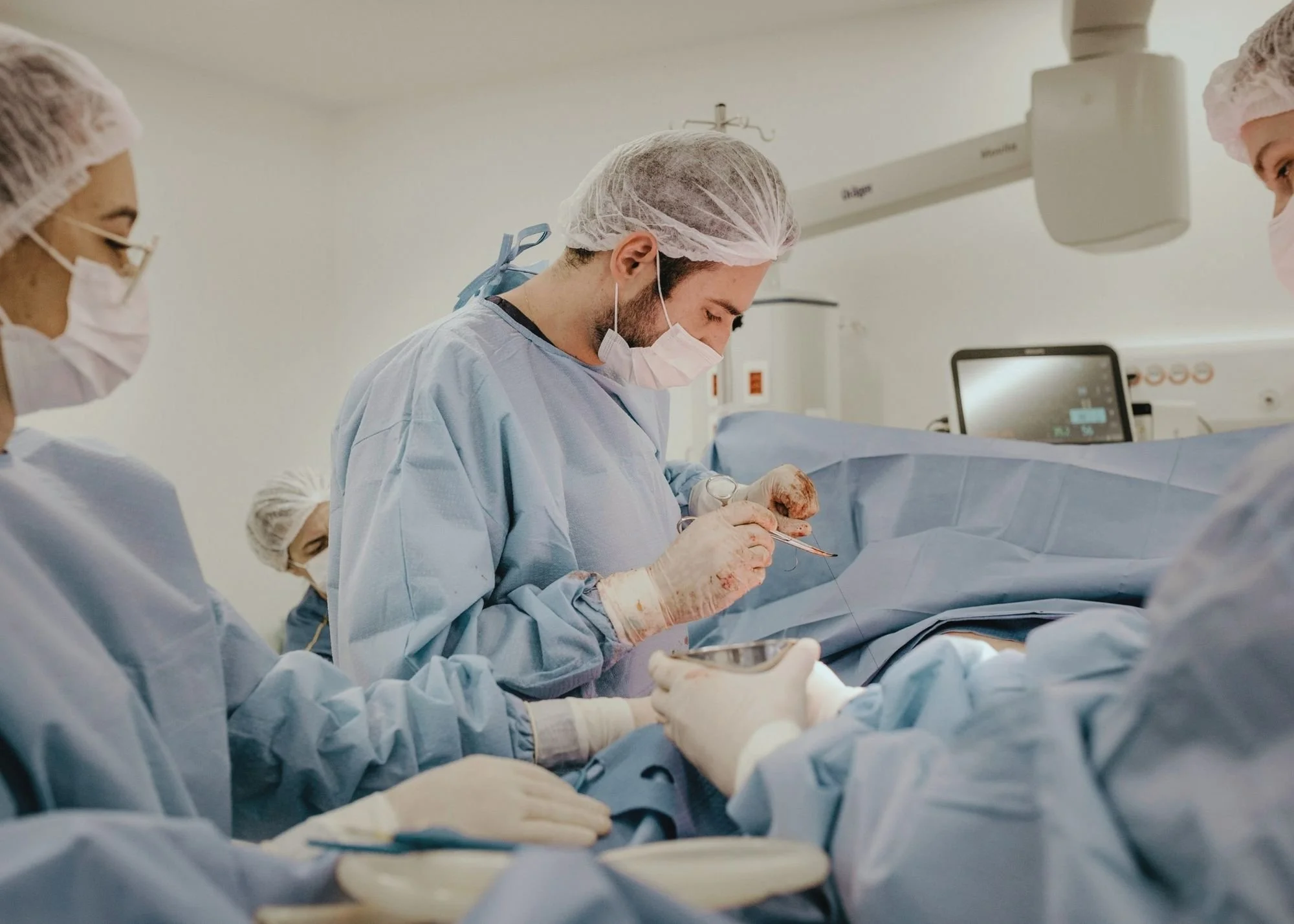
Traditional bunion surgery shaves down the bump and shifts the bone in two dimensions — front-to-back and side-to-side. The problem is that bunions are fundamentally a three-dimensional misalignment: the metatarsal bone is also rotated. Without correcting that rotation, recurrence rates run high.
Lapiplasty uses precision instruments to realign the metatarsal in all three dimensions simultaneously. Once the bone is in its anatomically correct position, titanium plates lock the correction permanently. The bump disappears because the underlying alignment has been restored — not because we filed it down.
KEY FEATURES OF THE LAPIPLASTY PROCEDURE
— 3D anatomical correction. Realigns the metatarsal in all three planes simultaneously, not just two.
— Titanium plate fixation. Permanent stabilization that holds the correction in place during healing.
— Earlier weight-bearing. Most patients walk in a surgical boot within days, not weeks of non-weight-bearing.
— Lower recurrence rate. Studies show significantly fewer bunion recurrences than traditional osteotomies.
Who This Is For
Lapiplasty is appropriate when bunion pain has started limiting daily activities, when shoe options are increasingly narrow, when secondary problems like hammertoes or calluses are developing, or when conservative measures — orthotics, footwear changes, padding — aren't producing enough relief.
The procedure works best for moderate to severe bunions where the underlying metatarsal misalignment is the driving issue. Not every bunion is a Lapiplasty candidate, and we evaluate honestly.
Built for the people whose bunions are running their lives.
For patients exploring all their options, we cover the full spectrum of foot and ankle surgery approaches — from minimally invasive techniques to traditional osteotomies — and help you understand which is best for your specific bunion structure.
Recovery is real but predictable. Most patients return to normal walking within weeks, athletic activities within months, and feel the full benefit of the correction within six to twelve months.
CONDITIONS WE TREAT WITH LAPIPLASTY
— Recurrent Bunions
— Severe Hallux Valgus
— Failed Prior Bunion Surgery

RECOGNITION
Voted Best Podiatrist in the Best of Mile High — three years running.
We've been honored to be voted Best Podiatrist in the Best of Mile High in 2023, 2024, and 2025, and we've been named a Neighborhood Fave by Nextdoor. We've also earned a 4.8-star rating from more than 1,300 patients across our two offices. We mention this because we're proud of it — but also because those ratings are built one visit at a time, by real patients who took the time to say something. We don't take that lightly.
🏆 Best of Mile High 2023
🏆 Best of Mile High 2024
🏆 Best of Mile High 2025
⭐ Nextdoor Neighborhood Fave
how it works
Three steps to walking without pain again.
The path from your first phone call to lasting relief is simpler than most patients expect — and we'll walk you through every part of it.
STEP 1
Call to schedule
Pick the office that's most convenient — Wheat Ridge or Boulder — and call to book. New patients are always welcome, and most insurance plans are accepted.
01
STEP 2
Come in for a thoughtful evaluation
Your first visit is a conversation, not a conveyor belt. We listen to your history, examine what's going on, and use in-office digital X-rays or musculoskeletal ultrasound if we need a closer look.
02
STEP 3
Start a plan built around you
You'll leave understanding your condition, your options, and exactly what the next step looks like. No pressure, no upsell — just steady care.
03
Related Resources
Keep reading from our patient education library.
Treated condition
Bunions
Understand what causes bunions, how they progress over time, and the full spectrum of treatment options from conservative care to surgery.
Blog · options
Bunion treatment options: from conservative care to Lapiplasty
The full spectrum of bunion treatments — what works at each stage, and when surgery becomes the right answer.
related Service
Foot & ankle surgery
Lapiplasty is one of several surgical approaches we offer. Explore the full range of foot and ankle procedures, from bunion correction to reconstruction.
Blog · Surgery
Foot & ankle surgery: when it's the right choice and what to expect
An honest look at when surgical treatment makes sense, common procedures, and what realistic recovery actually looks like.
Related treatment
Regenerative medicine
For tendon and ligament issues that may accompany bunion-related compensatory patterns, PRP and regenerative therapies accelerate healing.
Blog · causes
Bunion causes & symptoms: why they form and how to recognize them
How bunions develop over time, the early signs, and why genetics and footwear interact to drive the condition.
ANSWERS TO COMMON QUESTIONS
What patients ask about lapiplasty.
-
Lapiplasty corrects bunions in three dimensions — front-to-back, side-to-side, and rotationally — while traditional bunion surgery only corrects in two dimensions. The 3D approach addresses the actual root cause of the bunion deformity, leading to lower recurrence rates and earlier weight-bearing during recovery.
Traditional osteotomies cut the metatarsal bone and shift it into a more aligned position, then hold it with screws or pins. The procedure is well-established but doesn't correct the underlying rotation of the bone, which is why bunions sometimes return years later. Lapiplasty uses precision instruments and titanium plate fixation to lock in three-dimensional anatomical correction. Both procedures have their place — we recommend the technique that produces the best outcome for your specific bunion structure.
-
Most Lapiplasty patients walk in a surgical boot within days of surgery, transition to normal shoes around 6 to 8 weeks, return to light activity at 3 months, and resume full athletic activity at 4 to 6 months. Final correction with full swelling resolution typically takes 12 months.
This is significantly faster than traditional bunion surgery, which often requires 6 to 8 weeks of non-weight-bearing before patients can put weight on the foot. Compliance with post-operative instructions is one of the strongest predictors of outcome — patients who follow the protocol heal predictably, while those who push back to activity too quickly can compromise the correction. Our team sees you at every recovery milestone to confirm everything is on track.
-
Yes, most major insurance plans cover Lapiplasty when bunions are causing significant pain or functional limitations. Coverage typically includes the surgical procedure, anesthesia, hospital or surgical center fees, and post-operative visits. Cosmetic-only bunion correction is generally not covered.
Our front office team verifies your specific benefits before scheduling surgery so there are no surprises. We work with most major insurance plans, Medicare, and workers' compensation. For patients without coverage or with high deductibles, we discuss payment options during the consultation. The investment in proper bunion correction is meaningfully lower than the cost of revising a failed traditional procedure years later.
-
Lapiplasty has significantly lower recurrence rates than traditional bunion surgery because it corrects the underlying three-dimensional misalignment rather than just removing the bump. Published research shows recurrence rates under 5% at long-term follow-up — compared to recurrence rates as high as 70% with some traditional techniques.
The titanium plate fixation locks the correction in place during healing, allowing the bone to fuse in its anatomically correct position. Once fused, the alignment is essentially permanent. Patients can further protect their results by wearing properly fitting shoes, addressing biomechanical contributors with custom orthotics when warranted, and avoiding the narrow pointed footwear that contributed to the bunion in the first place.
-
Lapiplasty candidates typically have moderate to severe bunions causing pain, functional limitations, or progression despite conservative treatment. Good general health, adequate bone quality, and willingness to follow the recovery protocol are also factors. Not every bunion patient is a Lapiplasty candidate, and honest evaluation matters.
During your consultation, we evaluate the specific structure of your bunion using weight-bearing X-rays, assess your overall foot mechanics, and discuss your activity goals. If Lapiplasty is the best fit, we proceed. If a different surgical approach or continued conservative care would serve you better, we say so. The goal isn't to perform a specific procedure — it's to deliver the best outcome for your specific situation.

READY WHEN YOU ARE
Call to schedule your visit.
We see patients from across the Denver metro area at our Wheat Ridge and Boulder offices. Both locations are accepting new patients, and both offer free parking. Call whichever office is most convenient — we'll take it from there.