
services · wound care
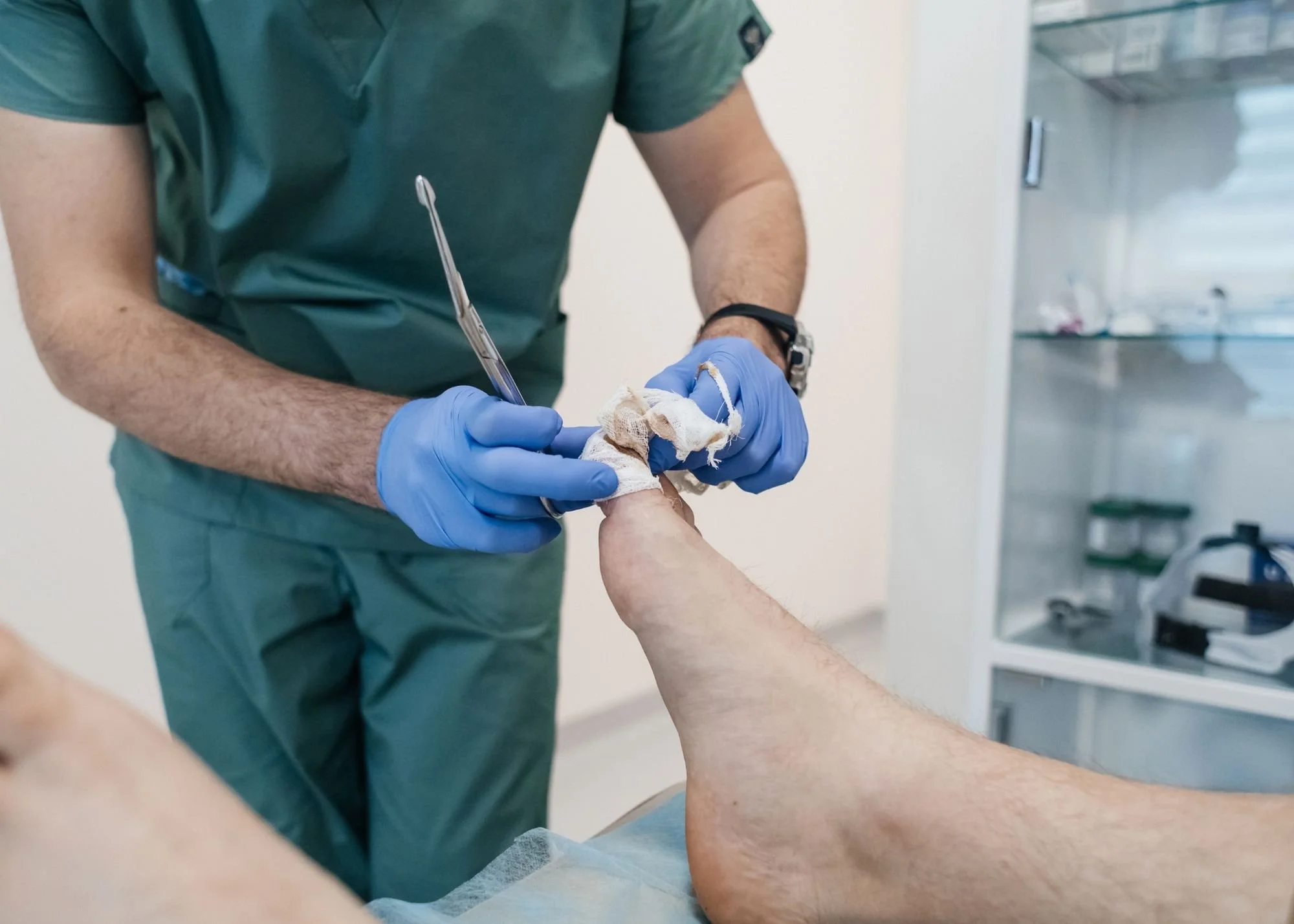
A wound on the foot is never "just a wound."
Foot wounds — particularly diabetic ulcers, non-healing post-surgical wounds, and chronic wounds in patients with circulation issues — require specialized expertise. Without it, what starts as a small wound can progress to infection, hospitalization, and amputation. With it, most foot wounds heal completely.
Wheat Ridge
⛰
Boulder
⛰
Arvada
⛰
Lakewood
⛰
Golden
⛰
Edgewater
⛰
Louisville
⛰
Lafayette
⛰
Superior
⛰
Broomfield
⛰
Erie
⛰
Longmont
⛰
Wheat Ridge ⛰ Boulder ⛰ Arvada ⛰ Lakewood ⛰ Golden ⛰ Edgewater ⛰ Louisville ⛰ Lafayette ⛰ Superior ⛰ Broomfield ⛰ Erie ⛰ Longmont ⛰
About This Service
What foot wound care actually involves.
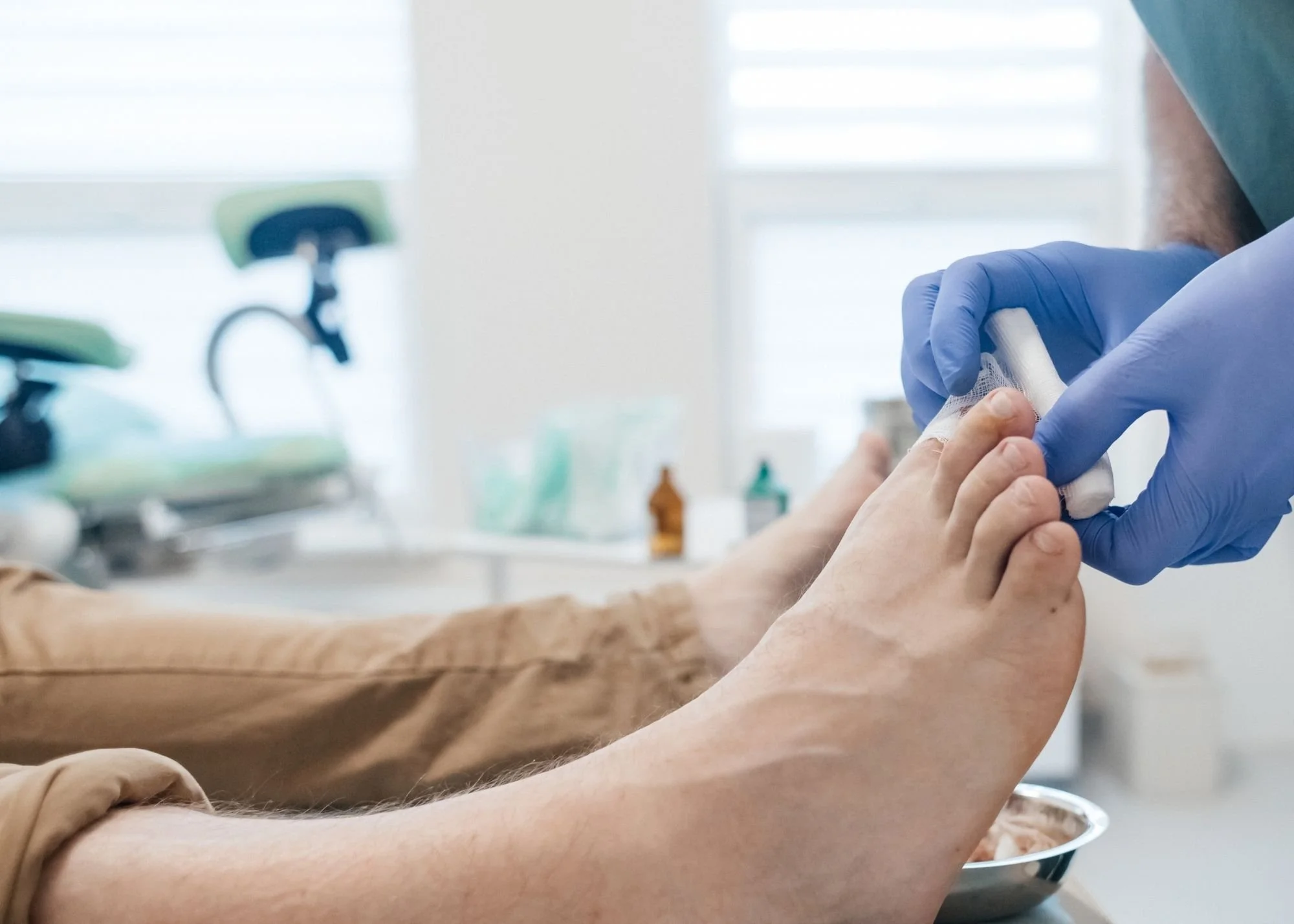
Foot wound care is a specialized area of podiatry focused on the diagnosis, treatment, and prevention of complex wounds on the feet. The most common conditions we treat include diabetic foot ulcers, pressure ulcers, post-surgical wounds that aren't healing as expected, traumatic wounds with complications, and chronic wounds in patients with circulation issues.
What makes foot wounds different from wounds elsewhere on the body is the combination of factors that complicate healing: weight-bearing pressure, often-compromised circulation in the feet, neuropathy that prevents patients from noticing problems, and the bacterial environment of footwear. Effective wound care addresses all these factors simultaneously.
WHAT'S INCLUDED IN THIS SERVICE
— Comprehensive wound assessment. Evaluation of wound characteristics, underlying causes, vascular status, and infection risk.
— Advanced wound dressings. Modern wound care products matched to each wound's specific stage and needs.
— Debridement. Removal of non-viable tissue to promote healing — performed in-office under local anesthesia when needed.
— Offloading. Custom orthotics, removable cast walkers, or total contact casts to remove pressure from healing wounds.
Who This Is For
Most patients seeking specialized wound care fall into specific categories: diabetic patients with foot ulcers, patients with post-surgical wounds that aren't healing on schedule, patients with chronic wounds related to circulation issues, and patients whose primary care physician has referred them for podiatric expertise.
Diabetic foot ulcers are the most common condition we manage. Effective treatment combines wound care with offloading (removing pressure from the affected area), management of underlying causes, infection control, and coordination with the rest of the patient's medical team.
Built for patients dealing with complex foot wounds.
For non-healing post-surgical wounds, we work closely with the surgical team that performed the original procedure. Sometimes the issue is technical (inadequate offloading, inappropriate dressings), sometimes biological (poor circulation, infection, nutritional issues), and sometimes both. Identifying the actual cause is essential for resolution.
For patients with chronic wounds related to peripheral arterial disease, venous insufficiency, or other systemic conditions, comprehensive wound care includes coordination with vascular specialists and other relevant providers. Wound healing in these patients requires addressing the underlying systemic issue alongside the wound itself.
CONDITIONS AND CONCERNS WE ADDRESS
— Pressure Ulcers
— Chronic Wounds

Voted Best Podiatrist in the Best of Mile High — three years running.
RECOGNITION
We've been honored to be voted Best Podiatrist in the Best of Mile High in 2023, 2024, and 2025, and we've been named a Neighborhood Fave by Nextdoor. We've also earned a 4.8-star rating from more than 1,300 patients across our two offices. We mention this because we're proud of it — but also because those ratings are built one visit at a time, by real patients who took the time to say something. We don't take that lightly.
🏆 Best of Mile High 2023
🏆 Best of Mile High 2024
🏆 Best of Mile High 2025
⭐ Nextdoor Neighborhood Fave
how it works
Three steps to walking without pain again.
The path from your first phone call to lasting relief is simpler than most patients expect — and we'll walk you through every part of it.
STEP 1
Call to schedule
Pick the office that's most convenient — Wheat Ridge or Boulder — and call to book. New patients are always welcome, and most insurance plans are accepted.
01
STEP 2
Come in for a thoughtful evaluation
Your first visit is a conversation, not a conveyor belt. We listen to your history, examine what's going on, and use in-office digital X-rays or musculoskeletal ultrasound if we need a closer look.
02
STEP 3
Start a plan built around you
You'll leave understanding your condition, your options, and exactly what the next step looks like. No pressure, no upsell — just steady care.
03
Related Resources
Keep reading from our patient education library.
treatment service
Custom orthotics
Pressure offloading is one of the most important factors in wound healing — and ongoing protection prevents recurrence.
Blog · aging
Foot exercises and care for older adults: staying steady at every age
Care strategies for older adults including those at increased wound risk.
Advanced Treatment
Regenerative medicine
PRP and regenerative therapies accelerate healing in chronic wounds that have stalled despite standard care.
Blog · Surgery
Foot & ankle surgery: when it's the right choice and what to expect
Some chronic wounds eventually require surgical intervention. Here's when surgery becomes appropriate.
Related service
Diabetic foot care
For diabetic patients, comprehensive ongoing foot care prevents the wounds that require specialized treatment.
Blog · essentials
Diabetic foot care: why it's different and what to watch for
Why diabetic foot wounds are different and what makes specialized care essential.
ANSWERS TO COMMON QUESTIONS
What patients ask about wound care.
-
Foot wounds in diabetic patients, those with peripheral arterial disease, or any wound showing signs of infection should be evaluated within 24 to 48 hours. Non-diabetic wounds that aren't healing within a week of conservative care, post-surgical wounds with complications, or any wound with concerning features warrant prompt evaluation.
For diabetic patients, the rule is simple: any new wound on the foot deserves immediate attention. Wounds in diabetic feet can progress rapidly from minor to limb-threatening, and earlier intervention dramatically improves outcomes. We accommodate urgent wound appointments whenever possible. If you have a wound that concerns you, call rather than waiting for your next regular appointment.
-
Most diabetic foot ulcers heal within 8 to 16 weeks with appropriate treatment, including wound care, offloading, infection control, and management of underlying factors. Some chronic ulcers take longer or require advanced therapies. Effective offloading is one of the strongest predictors of healing time.
The most important factor in diabetic ulcer healing is consistent offloading — removing pressure from the affected area during healing. Patients who comply with offloading recommendations heal dramatically faster than those who don't. Total contact casting, removable cast walkers, and custom protective footwear all play roles depending on the specific wound. We also coordinate management of blood sugar, circulation, and infection — all factors that affect healing speed.
-
Wounds with deep tissue infection, exposed bone, significant tissue loss, gangrene, or wounds that haven't responded to comprehensive conservative care over months may require surgical intervention. Surgical options range from debridement procedures to partial amputation when limb-saving alternatives have been exhausted.
Most foot wounds heal with appropriate conservative wound care and never require surgery. The wounds that need surgical intervention are typically those complicated by deep infection, bone involvement, significant tissue death, or chronic problems that haven't responded to extensive treatment. When surgery is genuinely the right answer, modern techniques can often save limbs that would have been lost a decade ago — but the goal is always to prevent that situation through earlier intervention.
-
Most non-healing wounds can be successfully treated without amputation when comprehensive specialized care is initiated promptly. Modern wound care, advanced therapies, surgical debridement, and addressing underlying causes (circulation, infection, pressure) save the vast majority of feet that would have been amputated decades ago.
The factors that affect this most are the speed of intervention, the patient's overall health, and the resources brought to bear on the problem. Comprehensive wound centers that combine podiatric expertise with vascular surgery, infectious disease, and other specialties produce the best outcomes for complex wounds. We coordinate with these specialists when warranted. Patients who get appropriate care early have far better outcomes than those who wait until the situation is dire.
-
Yes — wound care is well-covered by most insurance plans, including Medicare. Coverage typically includes office visits, wound care supplies, debridement, offloading devices, and advanced wound care therapies when medically necessary. Table Mountain Foot & Ankle accepts most major insurance plans, Medicare, and Medicaid.
For Medicare patients, wound care services are typically well-covered when documentation supports medical necessity. Coverage for advanced therapies like regenerative wound treatments varies. Our front office team verifies your specific benefits before treatment. For patients without insurance or with high deductibles, we discuss the cost of care upfront so financial concerns don't delay necessary treatment.

READY WHEN YOU ARE
Call to schedule your visit.
We see patients from across the Denver metro area at our Wheat Ridge and Boulder offices. Both locations are accepting new patients, and both offer free parking. Call whichever office is most convenient — we'll take it from there.