Diabetic Foot Conditions: Ulcers, Blisters, and Daily Care
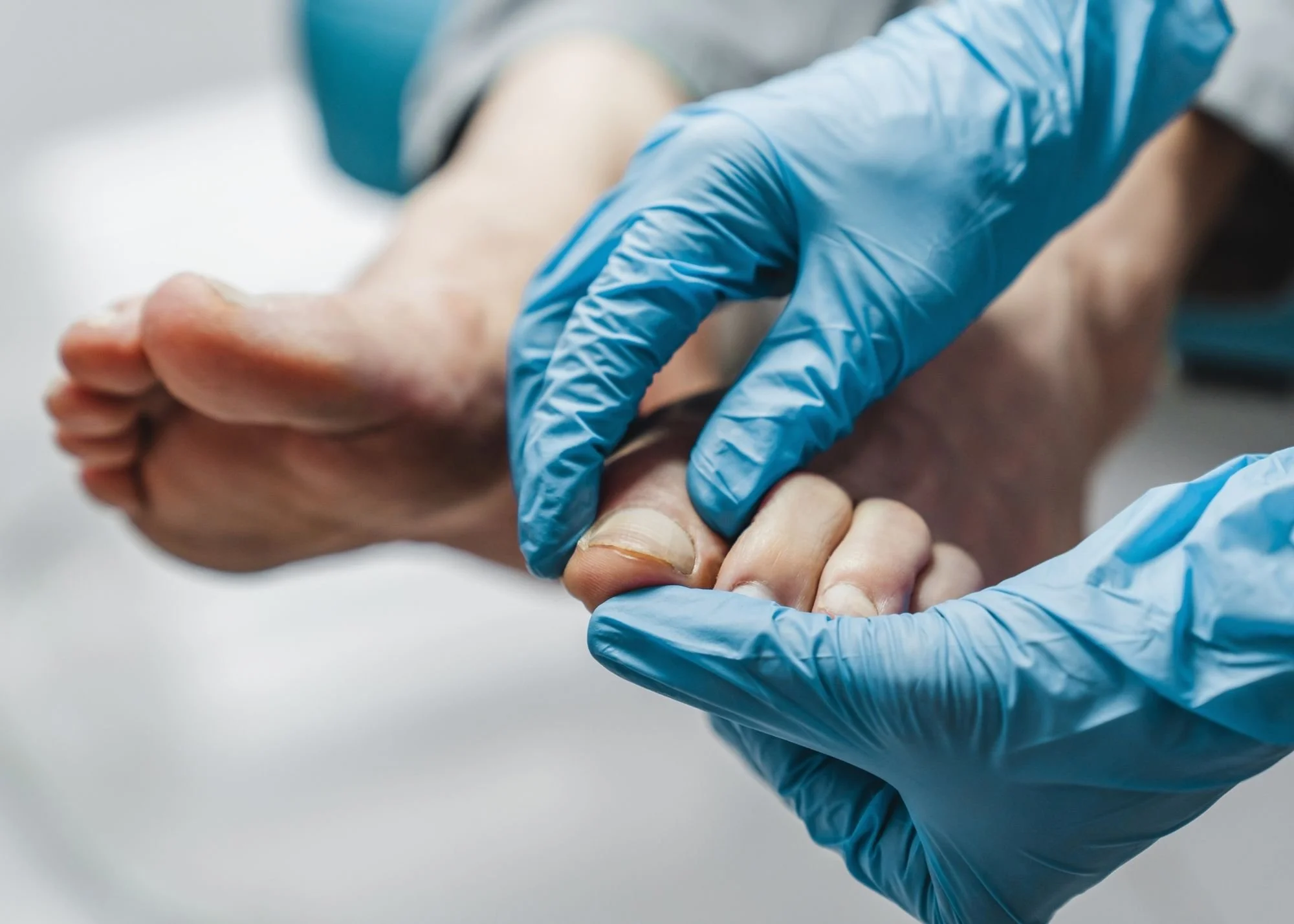
For people living with diabetes, the feet require a level of attention that's unfamiliar to anyone without the condition. Diabetes affects circulation, nerve function, immune response, and skin integrity — all of which converge in the feet. The result is that conditions that would be minor inconveniences for non-diabetic patients can become limb-threatening complications for those with diabetes.
This isn't fear-mongering. It's the medical reality, and it's why diabetic foot care is one of the most important specialties in podiatry. The good news is that with proper attention and the right professional partnership, the vast majority of serious diabetic foot complications are preventable.
Why Diabetes Affects the Feet
Three interrelated mechanisms make the feet vulnerable in diabetic patients:
Peripheral neuropathy. High blood sugar damages the small nerves that supply the feet. This produces a combination of numbness (you can't feel injuries when they happen), abnormal sensations (burning, tingling, electric pain), and loss of protective sensation. Many patients with diabetic neuropathy can step on a tack and not feel it.
Peripheral vascular disease. Diabetes accelerates the development of atherosclerosis, narrowing the arteries that supply blood to the feet. Reduced blood flow means slower healing, higher infection risk, and more difficult recovery from any foot problem.
Compromised immune function. Elevated blood sugar impairs white blood cell function and creates a favorable environment for bacteria. Infections that would be minor in healthy patients can become rapidly serious.
Together, these factors mean that small problems — a blister, a callus, a cut from trimming nails — can escalate into ulcers, infections, and in serious cases, the need for amputation.
Diabetic Foot Ulcers
Foot ulcers are open wounds, typically on the bottom of the foot, that develop when pressure or trauma damages the skin and the diabetic body can't heal it normally. About 15% of patients with diabetes will develop a foot ulcer in their lifetime, and ulcers precede approximately 80% of diabetes-related amputations. Understanding them is critical.
How Diabetic Ulcers Develop
The typical pathway:
Repetitive pressure on a specific area (often from ill-fitting shoes, foot deformities, or abnormal gait)
Callus formation in response to that pressure
Skin breakdown beneath the callus, often without the patient feeling it due to neuropathy
Open wound that can't heal because of poor circulation, continued pressure, and reduced immune response
Infection if bacteria enter the wound (very common)
Risk Factors for Ulcer Development
Poorly controlled blood sugar
Long duration of diabetes (10+ years)
Existing peripheral neuropathy
Peripheral vascular disease
Foot deformities (bunions, hammertoes, Charcot foot)
Previous ulcer or amputation
Smoking
Visual impairment limiting self-inspection
Living alone with limited support
Wearing inappropriate footwear
Treatment of Diabetic Ulcers
Healing diabetic ulcers requires comprehensive wound care:
Pressure offloading (specialized boots, total contact casts, custom devices)
Debridement of dead tissue
Advanced wound dressings
Treatment of any infection (often with oral or IV antibiotics)
Vascular evaluation and intervention if needed
Tight blood sugar control
Smoking cessation
In some cases, advanced therapies like skin substitutes, hyperbaric oxygen, or negative pressure wound therapy
Surgical intervention for non-healing wounds or deformity correction
Ulcer healing typically takes weeks to months. Patience and adherence to the treatment plan are essential.
Diabetic Foot Blisters
Blisters in diabetic patients fall into two categories: friction blisters from footwear (common in everyone but more dangerous in diabetic patients) and bullosis diabeticorum (diabetic bullae) — spontaneous blisters that develop without obvious cause and are specific to diabetes.
Friction Blisters
A blister that would be a minor annoyance for someone without diabetes can be a real problem for a diabetic patient. The blister may not hurt because of neuropathy, allowing it to break and progress to an ulcer before the patient notices. Even an intact blister can become infected if the surrounding skin breaks down.
Prevention requires properly fitting shoes, moisture-wicking socks (preferably seamless), gradual breaking-in of new footwear, and daily inspection. Treatment of any blister that does develop should be conservative — leave intact blisters alone if possible, keep them clean and protected, and seek professional evaluation if there's any sign of skin breakdown or infection.
Bullosis Diabeticorum
Less common but distinctive: spontaneously appearing blisters, usually on the feet or lower legs, that develop without obvious trauma. They can be painless and surprisingly large. The exact cause isn't known, but they're associated with poorly controlled diabetes and longstanding disease. Most resolve on their own within a few weeks, but they require monitoring to prevent infection.
Other Common Diabetic Foot Conditions
Charcot foot. A serious complication where bones in the foot weaken, fracture, and shift, often without significant pain due to neuropathy. The foot can collapse, creating new pressure points and dramatic deformity. Early recognition is critical.
Diabetic neuropathy. Beyond increasing ulcer risk, neuropathy itself can cause significant pain, sleep disruption, and balance problems. Treatment includes blood sugar control, specific medications, and supportive interventions.
Skin and nail infections. Athlete's foot, toenail fungus, and bacterial infections all require more aggressive treatment in diabetic patients than in non-diabetic patients.
Foot deformities. Bunions, hammertoes, and other structural problems create pressure points that can lead to ulceration. Often requires custom footwear or surgical correction.
Calluses. Should never be self-treated in diabetic patients. Salicylic acid products can cause chemical burns; cutting can cause infection. Professional debridement is the standard.
Daily Diabetic Foot Care
The single most important practice for diabetic foot health: daily self-inspection. Five minutes a day prevents the majority of serious complications.
The Daily Inspection Routine
Wash feet with warm (not hot) water and mild soap
Dry thoroughly, especially between the toes
Visually inspect every part of the foot — top, bottom, between the toes, around the heel
Use a hand mirror or ask a family member if you can't see the soles
Look for cuts, blisters, redness, swelling, color changes, ingrown nails, or anything unusual
Apply unscented moisturizer to dry skin (but not between toes — that traps moisture)
Inspect the inside of shoes before putting them on for stones, debris, or torn lining
Footwear and Sock Choices
Properly fitting shoes. Wide toe box, supportive sole, secure closure. Diabetic-specific or therapeutic shoes may be appropriate (and often covered by insurance for qualifying patients).
Custom orthotics. Properly designed orthotics redistribute pressure and reduce ulcer risk in high-risk patients.
Never go barefoot, even at home
Break in new shoes gradually
Replace shoes when they're worn out
Wear seamless, moisture-wicking socks
Change socks if they get damp
Nail Care
Trim nails straight across, not into the corners
File rough edges smooth
Don't cut into the corners or trim too short
See a podiatrist for nail care if you have neuropathy or vision problems
What to Avoid
Hot water bottles or heating pads on the feet (can cause burns without you feeling them)
Walking barefoot, indoors or out
Trying to cut corns or calluses yourself
Over-the-counter wart or callus removers (often contain caustic chemicals)
Tight shoes, even briefly
Crossing your legs for extended periods
Smoking
Regular Professional Care
The American Diabetes Association recommends annual comprehensive foot exams for all diabetic patients, with more frequent visits for those at higher risk. A complete diabetic foot exam includes:
Visual inspection of the feet for any abnormalities
Sensation testing (monofilament test, tuning fork)
Pulse assessment for circulatory function
Skin and nail examination
Evaluation of foot structure and any deformities
Footwear assessment
Patient education tailored to risk factors
Patients with previous ulcers, neuropathy, vascular disease, or foot deformities should be seen quarterly or more often.
When to Call Immediately
Don't wait for your next appointment if you notice:
A new break in the skin, even small
Redness, warmth, swelling, or drainage
Color changes (especially purple, black, or unusually pale)
A wound that isn't healing
Increased pain, particularly at rest or at night
Sudden changes in foot shape or size
Fever combined with foot symptoms
Any concerning change you can't explain
In diabetic foot care, the difference between a minor problem caught early and a major complication is often a few days. Err on the side of calling.
Building a Care Partnership
Effective diabetic foot care is a partnership between you, your primary care physician or endocrinologist, and your podiatrist. At Table Mountain Foot and Ankle, we work alongside your other physicians to provide consistent, preventive foot care that keeps small problems small. Whether you're newly diagnosed and learning what foot care means, or you've been managing diabetes for years and want a podiatric specialist as part of your team, schedule an appointment to get started.