
services · corns
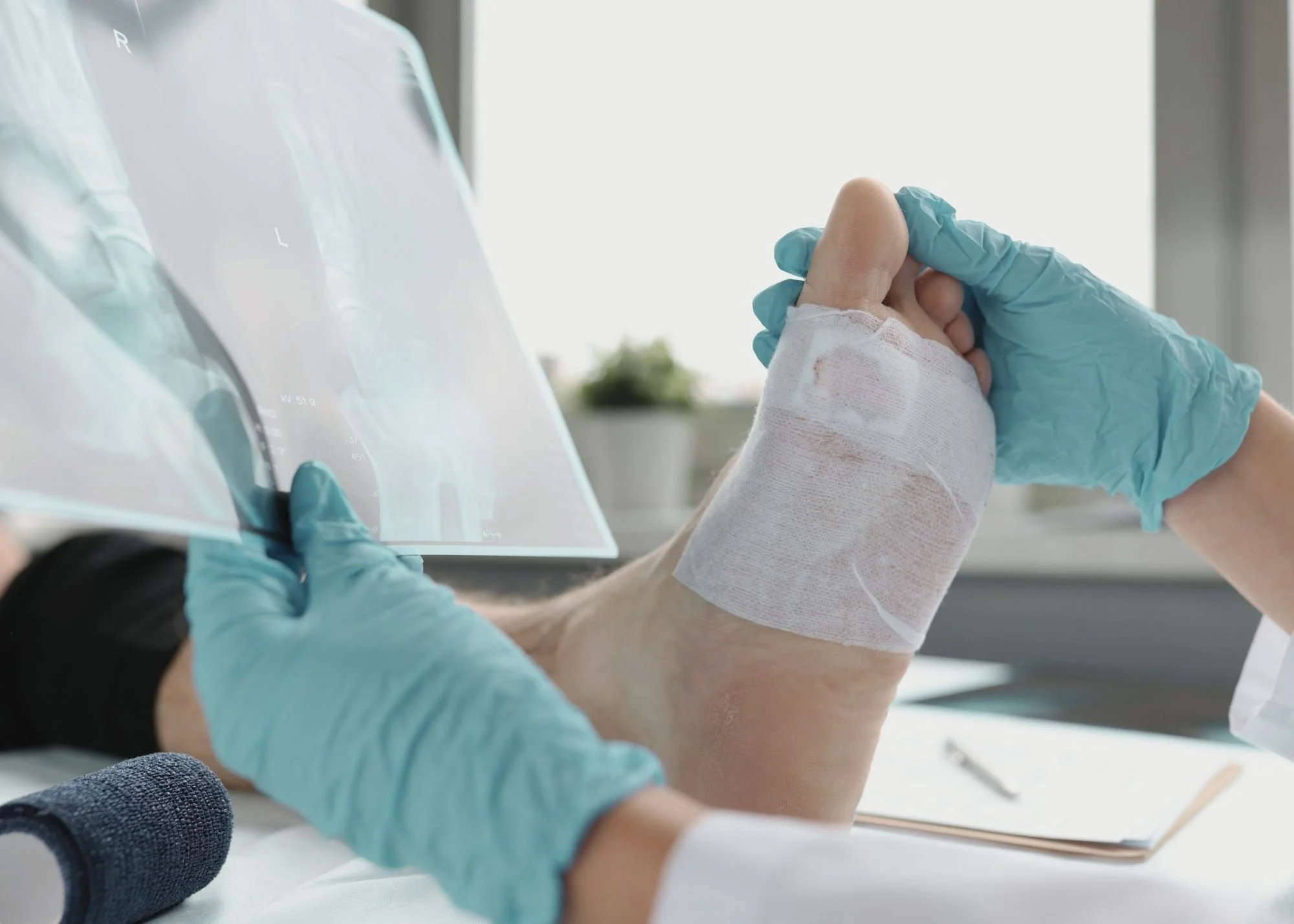
Corns are a symptom. The pressure causing them is the problem.
Corns and calluses are your body's response to repeated pressure or friction — protective layers of thickened skin that become painful when they grow too large. Removing them feels great, but unless you address the underlying cause, they come right back. We treat both.
Wheat Ridge
⛰
Boulder
⛰
Arvada
⛰
Lakewood
⛰
Golden
⛰
Edgewater
⛰
Louisville
⛰
Lafayette
⛰
Superior
⛰
Broomfield
⛰
Erie
⛰
Longmont
⛰
Wheat Ridge ⛰ Boulder ⛰ Arvada ⛰ Lakewood ⛰ Golden ⛰ Edgewater ⛰ Louisville ⛰ Lafayette ⛰ Superior ⛰ Broomfield ⛰ Erie ⛰ Longmont ⛰
About This Service
What corn treatment actually involves.
Corns are localized areas of thickened skin that develop in response to consistent pressure or friction, typically on the toes or other bony prominences. Hard corns appear on the tops or sides of toes. Soft corns develop between toes where moisture is trapped. Seed corns are tiny, painful corns that often cluster on weight-bearing areas of the foot.
Effective corn treatment goes beyond cutting away the thickened skin. The corn is the body's protective response to a mechanical issue — bunions, hammertoes, ill-fitting shoes, gait abnormalities, or bony prominences pressing against footwear. Without addressing the underlying cause, corns return within weeks of removal. Our approach treats both.
WHAT'S INCLUDED IN THIS SERVICE
— Professional debridement. Safe, sterile removal of thickened skin to provide immediate pain relief.
— Cause identification. Evaluation of the structural or mechanical issue driving corn formation.
— Padding and protection. Strategic padding to reduce pressure during the healing and prevention phase.
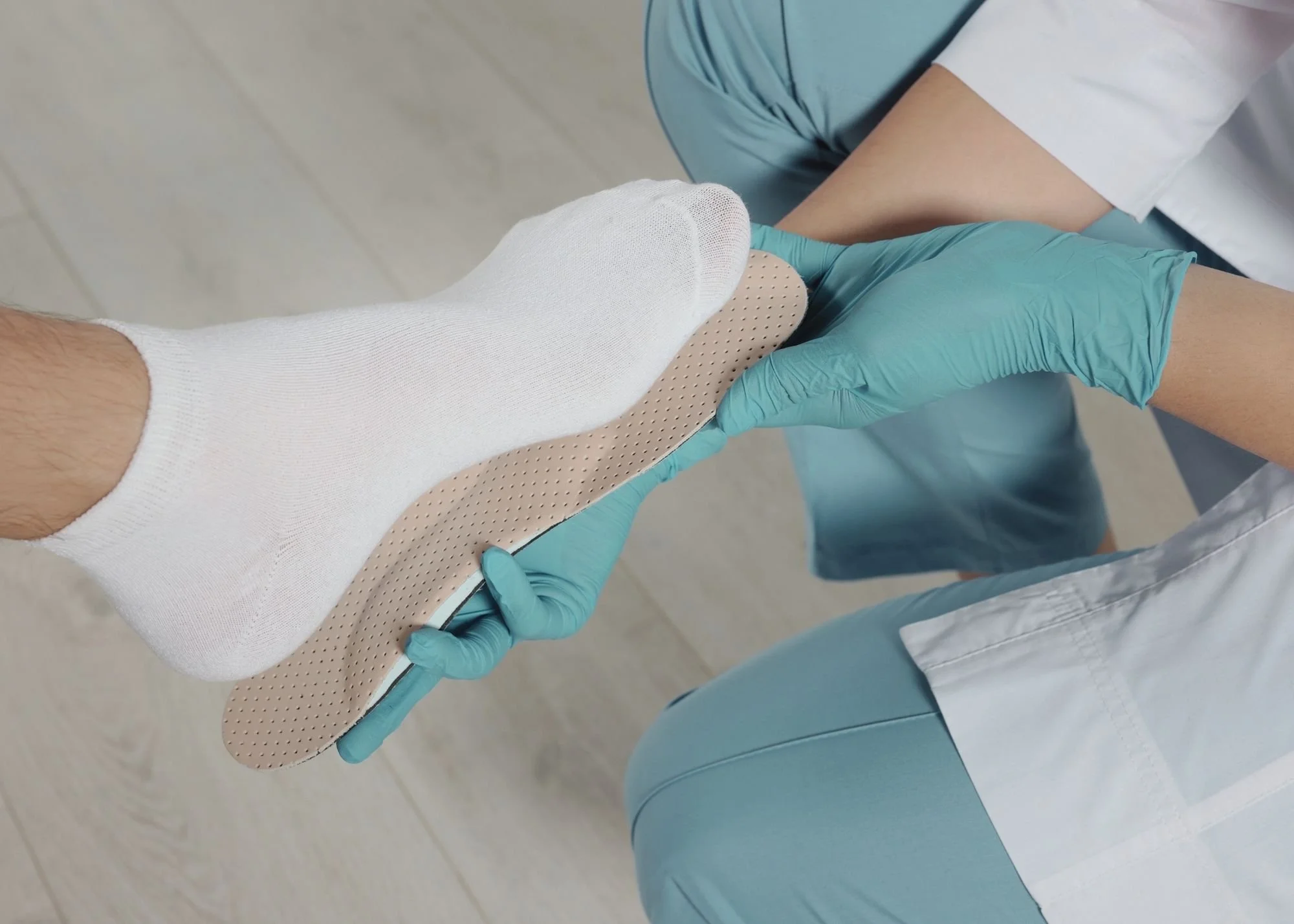
— Long-term prevention. Custom orthotics, footwear recommendations, or surgical correction when warranted.
Who This Is For
Most patients seeking corn care have been treating them at home for years — pumice stones, over-the-counter corn pads, salicylic acid treatments. These approaches provide temporary relief but don't address why the corns keep forming. The frustration of recurring corns despite consistent home care is what brings most patients in.
Corns frequently develop alongside hammertoes, bunions, and other structural issues that create consistent pressure points. Our evaluation identifies the underlying cause and addresses it directly — sometimes through orthotics and footwear changes, sometimes through surgical correction of the deformity creating the pressure.
Built for people tired of repeating the same cycle.
For diabetic patients and those with compromised circulation, professional corn care isn't optional — it's essential. Aggressive home treatment with pumice stones, medicated pads, or over-the-counter acid treatments can cause serious skin breakdown in vulnerable patients. We provide safe, sterile care.
Active patients dealing with corns from athletic footwear or specialized shoes (cycling, running, hiking) benefit from coordinated care that addresses both the symptom and the activity-specific demands creating it.
CONDITIONS AND CONCERNS WE ADDRESS
— Hammertoes →
— Bunions →
Voted Best Podiatrist in the Best of Mile High — three years running.
RECOGNITION
We've been honored to be voted Best Podiatrist in the Best of Mile High in 2023, 2024, and 2025, and we've been named a Neighborhood Fave by Nextdoor. We've also earned a 4.8-star rating from more than 1,300 patients across our two offices. We mention this because we're proud of it — but also because those ratings are built one visit at a time, by real patients who took the time to say something. We don't take that lightly.
🏆 Best of Mile High 2023
🏆 Best of Mile High 2024
🏆 Best of Mile High 2025
⭐ Nextdoor Neighborhood Fave
how it works
Three steps to walking without pain again.
The path from your first phone call to lasting relief is simpler than most patients expect — and we'll walk you through every part of it.
STEP 1
Call to schedule
Pick the office that's most convenient — Wheat Ridge or Boulder — and call to book. New patients are always welcome, and most insurance plans are accepted.
01
STEP 2
Come in for a thoughtful evaluation
Your first visit is a conversation, not a conveyor belt. We listen to your history, examine what's going on, and use in-office digital X-rays or musculoskeletal ultrasound if we need a closer look.
02
STEP 3
Start a plan built around you
You'll leave understanding your condition, your options, and exactly what the next step looks like. No pressure, no upsell — just steady care.
03
Related Resources
Keep reading from our patient education library.
treatment service
Custom orthotics
Properly designed orthotics redistribute pressure and prevent corn formation at the source.
Blog · Footwear
Arch support & running shoes: a guide for active Coloradans
Footwear choice is one of the leading factors in corn formation.
diabetic care
Diabetic foot care
For diabetic patients, professional corn care is essential — never attempt home treatment with sharp tools or medicated pads.
Blog · Care
Diabetic foot care: why it's different and what to watch for
Why corns and calluses warrant special attention in diabetic patients.
Related service
Hammertoes
Hammertoes are one of the leading causes of recurrent corn formation. Address both for lasting relief.
Blog · Deep dive
Hammertoes and claw toes: causes, symptoms, and treatment
Hammertoes drive most chronic corn formation. Understanding them helps prevent corns.
ANSWERS TO COMMON QUESTIONS
What patients ask about corns.
-
Corns are smaller, more focused areas of thickened skin that typically form on bony prominences like the tops of toes — they often have a hard center that presses into surrounding tissue. Calluses are larger, more diffuse areas of thickened skin that typically form on weight-bearing areas like the ball or heel of the foot.
Both develop from repeated pressure or friction, but corns are usually more painful because of the central core that compresses underlying tissue. Plantar warts can sometimes be confused with corns, but warts have visible black dots (capillaries) within them and pain with side-to-side compression rather than direct pressure. Accurate identification matters for treatment.
-
Recurrent corns indicate an unresolved underlying mechanical issue — typically a hammertoe, bunion, structural foot abnormality, or consistent shoe pressure point. Removing the corn provides temporary relief, but without addressing the underlying cause, the body re-forms the protective skin layer within weeks.
Effective long-term corn prevention requires addressing the actual cause. Common interventions include custom orthotics that redistribute pressure, footwear modification (wider toe boxes, softer uppers, lower heels), strategic padding to protect specific areas, and in some cases surgical correction of the underlying deformity. Patients who address both the corn and the cause break the cycle of recurrence.
-
Mild corns can often be managed at home with pumice stones, moisturizers, and protective padding. However, do not use razor blades, sharp tools, or aggressive scraping at home. Patients with diabetes, neuropathy, or compromised circulation should never attempt home corn removal — professional care is essential.
Over-the-counter corn pads with salicylic acid can help with mild cases but should be used carefully — they can damage healthy surrounding skin. For diabetic patients, even these pads can cause significant problems. Professional debridement is safer, more effective, and addresses the underlying cause rather than just removing the surface layer.
-
Most patients prevent corn recurrence with conservative measures — custom orthotics, footwear modification, padding, and occasional professional debridement as needed. Surgery is reserved for cases where the underlying deformity (typically a rigid hammertoe or significant bunion) is severe and conservative measures aren't adequate.
When surgical correction is genuinely the right answer, it usually addresses the underlying deformity rather than the corn itself. Once the structural issue is corrected, the pressure point that drove corn formation is eliminated. We exhaust conservative options thoroughly before recommending surgery, but for severe cases, surgical correction provides lasting relief that no amount of corn removal can achieve.
-
Insurance coverage for corn treatment varies. Routine corn care is sometimes considered cosmetic, but corns associated with diabetic foot care, hammertoe treatment, or other underlying conditions are typically covered. Table Mountain Foot & Ankle accepts most major insurance plans, Medicare, and workers' compensation.
For Medicare patients, routine foot care including corn debridement is covered when associated with specific qualifying conditions (diabetes, peripheral vascular disease, peripheral neuropathy). Custom orthotics for prevention may be partially covered depending on plan and diagnosis. Our front office team verifies your specific benefits before your appointment.

READY WHEN YOU ARE
Call to schedule your visit.
We see patients from across the Denver metro area at our Wheat Ridge and Boulder offices. Both locations are accepting new patients, and both offer free parking. Call whichever office is most convenient — we'll take it from there.