
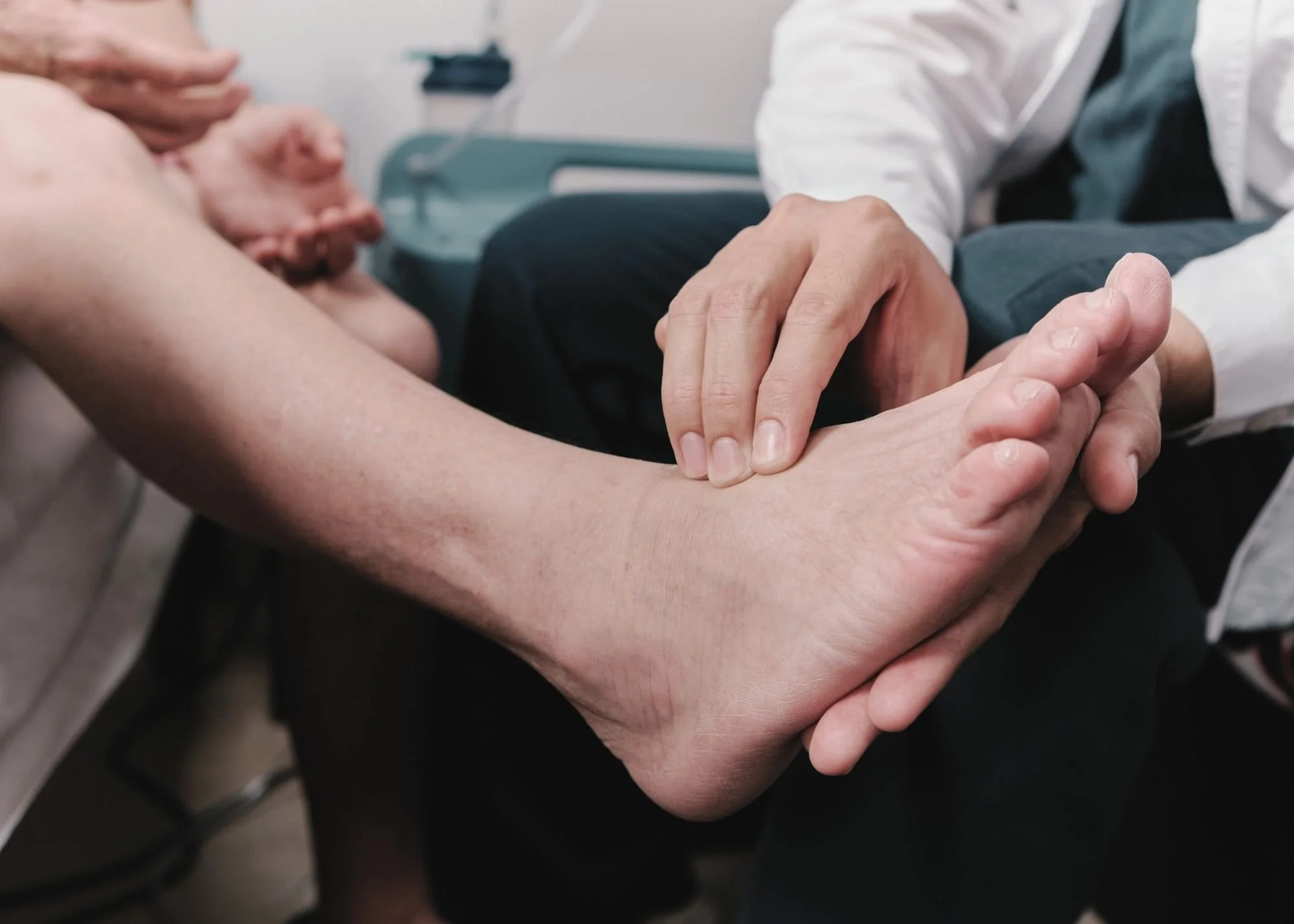
treatments · radial shockwave therapy
When stretching and ice aren't enough.
Radial shockwave therapy uses acoustic pressure waves to stimulate healing in chronic tendon and fascia conditions that haven't responded to conservative care. It's non-invasive, evidence-based, and one of the most effective treatments for stubborn plantar fasciitis and Achilles tendinopathy.
Wheat Ridge
⛰
Boulder
⛰
Arvada
⛰
Lakewood
⛰
Golden
⛰
Edgewater
⛰
Louisville
⛰
Lafayette
⛰
Superior
⛰
Broomfield
⛰
Erie
⛰
Longmont
⛰
Wheat Ridge ⛰ Boulder ⛰ Arvada ⛰ Lakewood ⛰ Golden ⛰ Edgewater ⛰ Louisville ⛰ Lafayette ⛰ Superior ⛰ Broomfield ⛰ Erie ⛰ Longmont ⛰
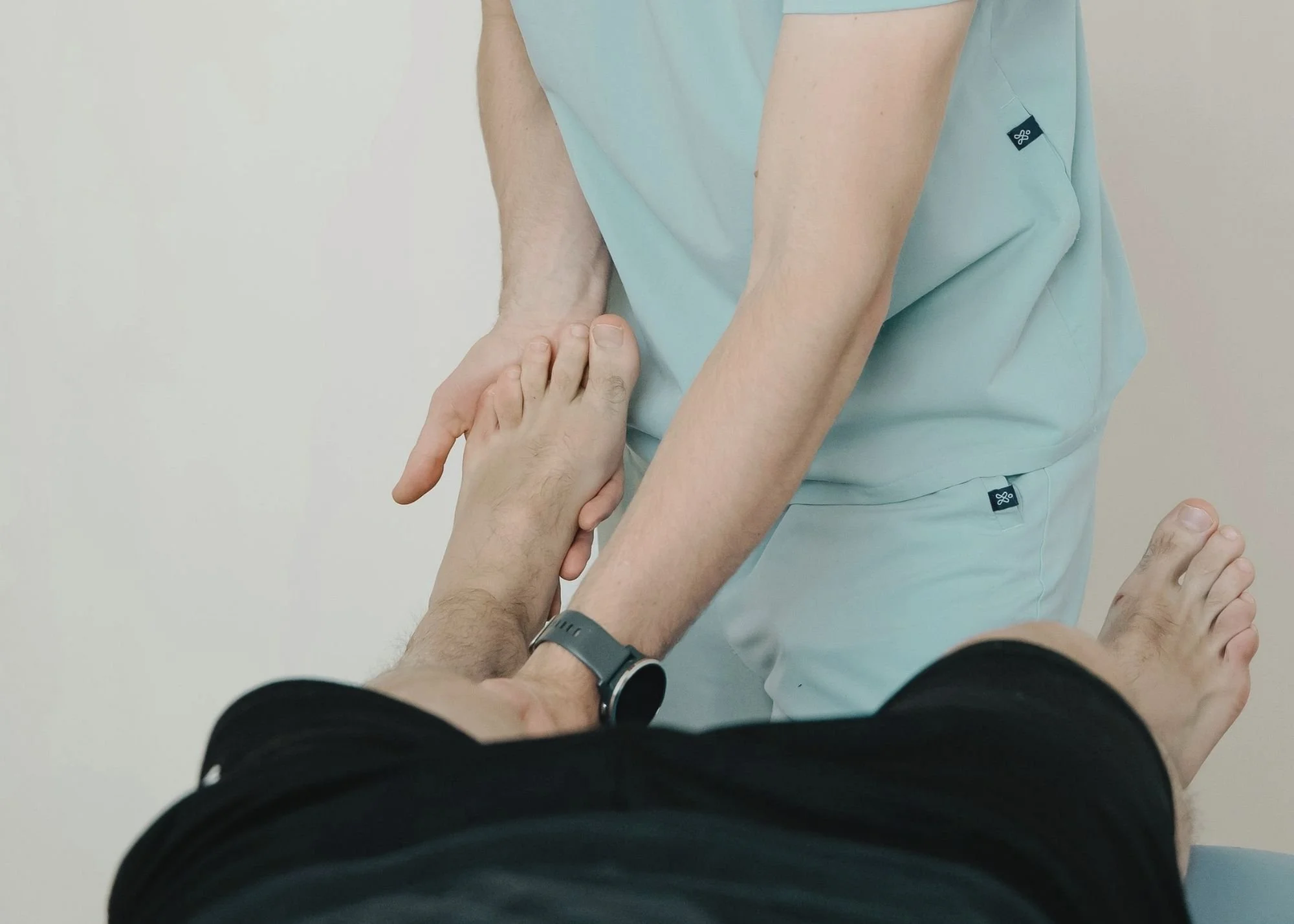
how it works
Acoustic waves trigger the body's healing response.
Radial shockwave therapy (also called extracorporeal shockwave therapy or ESWT) delivers focused acoustic pressure waves to the affected tissue. The mechanical stimulus triggers a cascade of biological responses: increased blood flow to the area, stimulation of growth factor release, breakdown of calcium deposits in chronic tendinopathies, and reduction of pain through nerve modulation.
Unlike treatments that primarily provide symptom relief, shockwave therapy actively promotes tissue healing in chronic conditions where normal repair has stalled. The treatment is most effective for chronic plantar fasciitis (over six months duration), Achilles tendinopathy, and certain other tendon issues. Acute injuries typically heal well with standard care and don't benefit from shockwave intervention.
KEY FEATURES OF radial shockwave therapy
— Non-invasive treatment. Acoustic waves delivered through the skin without needles or incisions.
— Stimulates real healing. Triggers biological repair processes rather than just providing symptom relief.
— Evidence-based effectiveness. Substantial clinical research supports outcomes for chronic plantar fasciitis and tendinopathies.
— Quick treatment sessions. Most sessions take 10 to 15 minutes; full treatment course is typically 3 to 5 sessions over weeks.
Who This Is For
Radial shockwave therapy is most appropriate for patients with chronic plantar fasciitis, Achilles tendinopathy, or other tendon issues that have persisted despite at least three to six months of conservative treatment. The classic candidate has tried physical therapy, custom orthotics, stretching protocols, and footwear changes without adequate resolution.
For active patients — particularly Boulder runners and Front Range athletes managing chronic overuse conditions — shockwave therapy offers an option that doesn't require time off from training. Most patients continue modified activity throughout the treatment course.
Built for chronic conditions that haven't responded.
Shockwave is often selected as a step before considering more invasive options like cortisone injections, regenerative medicine, or surgery. For patients who prefer to exhaust non-invasive options thoroughly, shockwave fits naturally into a graduated treatment progression.
The treatment isn't appropriate for every condition. Acute injuries usually heal well with standard care. Severely advanced conditions sometimes need other interventions. We evaluate honestly and recommend shockwave when the evidence supports it for your specific situation.
CONDITIONS WE TREAT WITH radial shockwave therapy
— Chronic Tendinopathies

Voted Best Podiatrist in the Best of Mile High — three years running.
RECOGNITION
We've been honored to be voted Best Podiatrist in the Best of Mile High in 2023, 2024, and 2025, and we've been named a Neighborhood Fave by Nextdoor. We've also earned a 4.8-star rating from more than 1,300 patients across our two offices. We mention this because we're proud of it — but also because those ratings are built one visit at a time, by real patients who took the time to say something. We don't take that lightly.
🏆 Best of Mile High 2023
🏆 Best of Mile High 2024
🏆 Best of Mile High 2025
⭐ Nextdoor Neighborhood Fave
how it works
Three steps to walking without pain again.
The path from your first phone call to lasting relief is simpler than most patients expect — and we'll walk you through every part of it.
STEP 1
Call to schedule
Pick the office that's most convenient — Wheat Ridge or Boulder — and call to book. New patients are always welcome, and most insurance plans are accepted.
01
STEP 2
Come in for a thoughtful evaluation
Your first visit is a conversation, not a conveyor belt. We listen to your history, examine what's going on, and use in-office digital X-rays or musculoskeletal ultrasound if we need a closer look.
02
STEP 3
Start a plan built around you
You'll leave understanding your condition, your options, and exactly what the next step looks like. No pressure, no upsell — just steady care.
03
Related Resources
Keep reading from our patient education library.
Treated condition
Plantar fasciitis
Chronic plantar fasciitis is one of the conditions where shockwave therapy has the strongest evidence of effectiveness.
Blog · running
Achilles tendon pain in runners: causes, symptoms, and treatment
Shockwave therapy is one of the most effective treatments for chronic Achilles tendinopathy.
related treatment
Therapeutic laser therapy
MLS laser therapy is another non-invasive option, sometimes combined with shockwave for synergistic effect.
Blog · Self-care
Foot exercises for strong, pain-free feet
Stretching and strengthening that supports healing during and after shockwave treatment.
Related treatment
Regenerative medicine
PRP and regenerative therapies offer another non-surgical option for chronic conditions, sometimes used after or alongside shockwave therapy.
Blog · heel pain
Heel pain decoded: plantar fasciitis, heel spurs, bursitis & more
When shockwave therapy becomes the right answer for stubborn heel pain.
ANSWERS TO COMMON QUESTIONS
What patients ask about radial shockwave therapy.
-
Clinical studies show shockwave therapy produces significant improvement in 65 to 80 percent of patients with chronic plantar fasciitis that hasn't responded to conservative care. Effectiveness is highest for plantar fasciitis lasting longer than six months, where standard treatments have already been tried.
Shockwave is one of the most evidence-supported treatments for chronic plantar fasciitis. The American Academy of Orthopaedic Surgeons and other professional organizations include it in their recommended treatment algorithms for plantar fasciitis that has failed conservative care. Patients who combine shockwave with appropriate orthotics, stretching, and biomechanical correction typically see better outcomes than those using shockwave in isolation.
-
Most patients require 3 to 5 shockwave sessions, typically spaced one week apart. Significant improvement usually develops 6 to 12 weeks after completing the treatment course. Some patients with severe chronic conditions benefit from a second treatment course if the initial response is incomplete.
Treatment response builds over weeks rather than appearing immediately. The biological healing process triggered by shockwave waves takes time to produce tissue remodeling. Patients sometimes expect immediate relief and are disappointed when the first weeks don't show dramatic change — but the gradual improvement timeline is normal and expected. We track your response throughout the treatment course.
-
Shockwave therapy involves mechanical pressure and tapping sensations during treatment that most patients describe as uncomfortable but tolerable. Intensity is adjusted to your specific tolerance. Mild soreness for 24 to 48 hours after treatment is normal. The procedure does not require anesthesia.
The discomfort during treatment varies based on the area being treated, your individual sensitivity, and the intensity setting used. Most patients report that the discomfort is more than expected but well-tolerated. The brief discomfort is typically considered worthwhile by patients motivated to address chronic problems that haven't responded to other treatments. Post-treatment soreness usually responds to ice and Tylenol if needed.
-
Radial shockwave therapy spreads acoustic energy over a wider area at lower peak intensity. Focused shockwave delivers more concentrated energy at deeper tissue depths. Both are effective for various conditions; the choice depends on the specific tissue being treated and the depth of the affected area.
For most foot and ankle conditions, radial shockwave is well-suited because the affected tissues are relatively superficial. Focused shockwave is sometimes used for deeper structures or for specific calcific deposits in tendons. The distinction matters less than whether shockwave therapy of any type is appropriate for your specific condition. We use the type that produces the best evidence-based outcomes for the condition being treated.
-
Insurance coverage for shockwave therapy varies. Some plans cover it for specific conditions like plantar fasciitis, while others consider it experimental and don't cover it. Self-pay rates are typically reasonable per session. Self-pay course costs are usually competitive with other advanced therapies.
Our front office team verifies your specific benefits before treatment so you have clear cost expectations upfront. For patients without coverage or with high deductibles, we discuss the full course cost and compare it to alternative treatments so you can make an informed decision. HSA and FSA accounts can usually be used for shockwave therapy. We never recommend treatments primarily for revenue reasons.

READY WHEN YOU ARE
Call to schedule your visit.
We see patients from across the Denver metro area at our Wheat Ridge and Boulder offices. Both locations are accepting new patients, and both offer free parking. Call whichever office is most convenient — we'll take it from there.