
treatments · laser therapy
An effective option when oral antifungals aren't right for you.
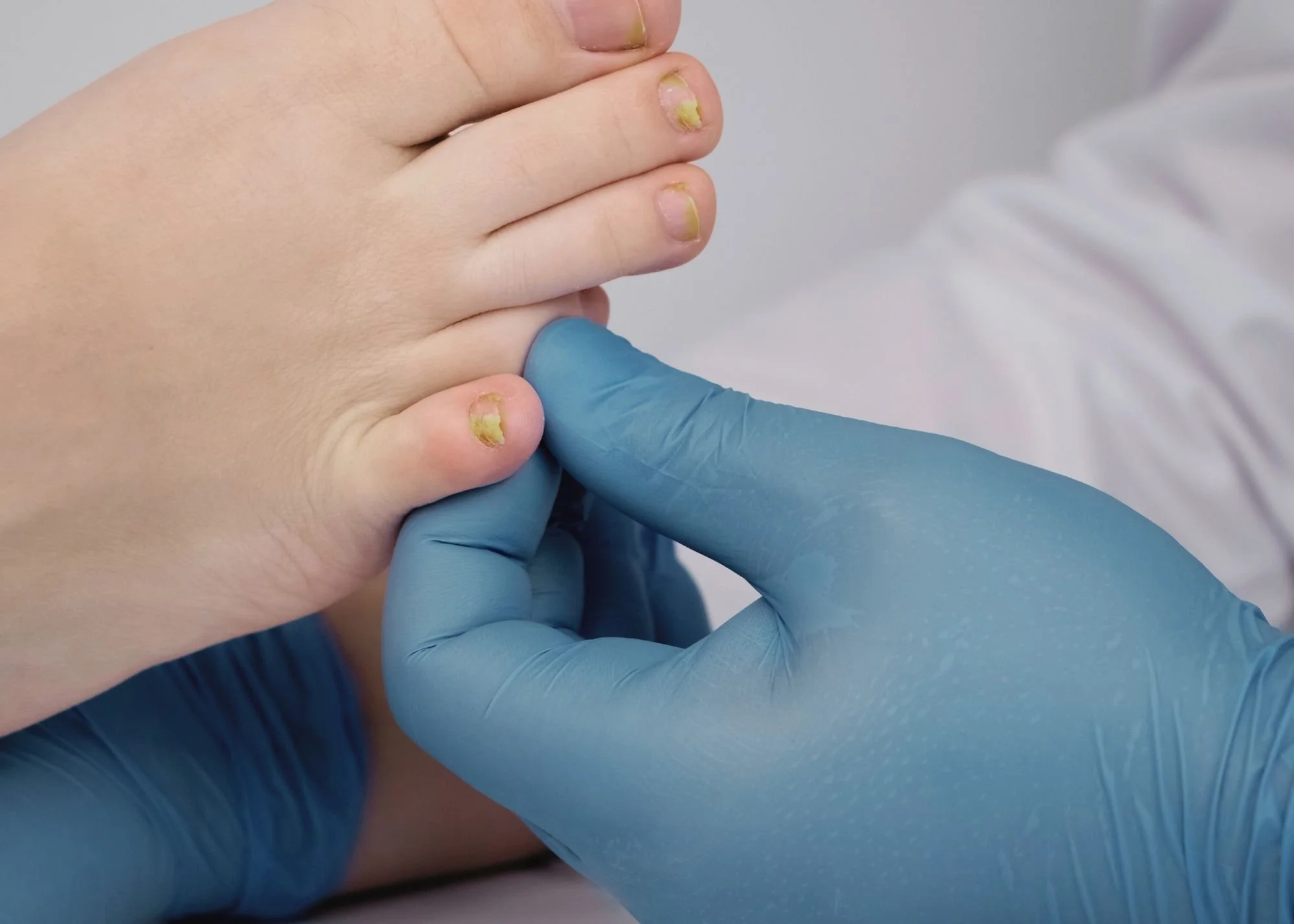
Laser therapy for fungal toenails offers an effective non-systemic treatment option for patients who can't take oral antifungal medications, prefer to avoid them, or have mild to moderate cases responsive to laser treatment. The therapy targets the fungus directly within the nail without affecting the rest of your body.
Wheat Ridge
⛰
Boulder
⛰
Arvada
⛰
Lakewood
⛰
Golden
⛰
Edgewater
⛰
Louisville
⛰
Lafayette
⛰
Superior
⛰
Broomfield
⛰
Erie
⛰
Longmont
⛰
Wheat Ridge ⛰ Boulder ⛰ Arvada ⛰ Lakewood ⛰ Golden ⛰ Edgewater ⛰ Louisville ⛰ Lafayette ⛰ Superior ⛰ Broomfield ⛰ Erie ⛰ Longmont ⛰
how it works
Targeted light energy that fungus can't survive.
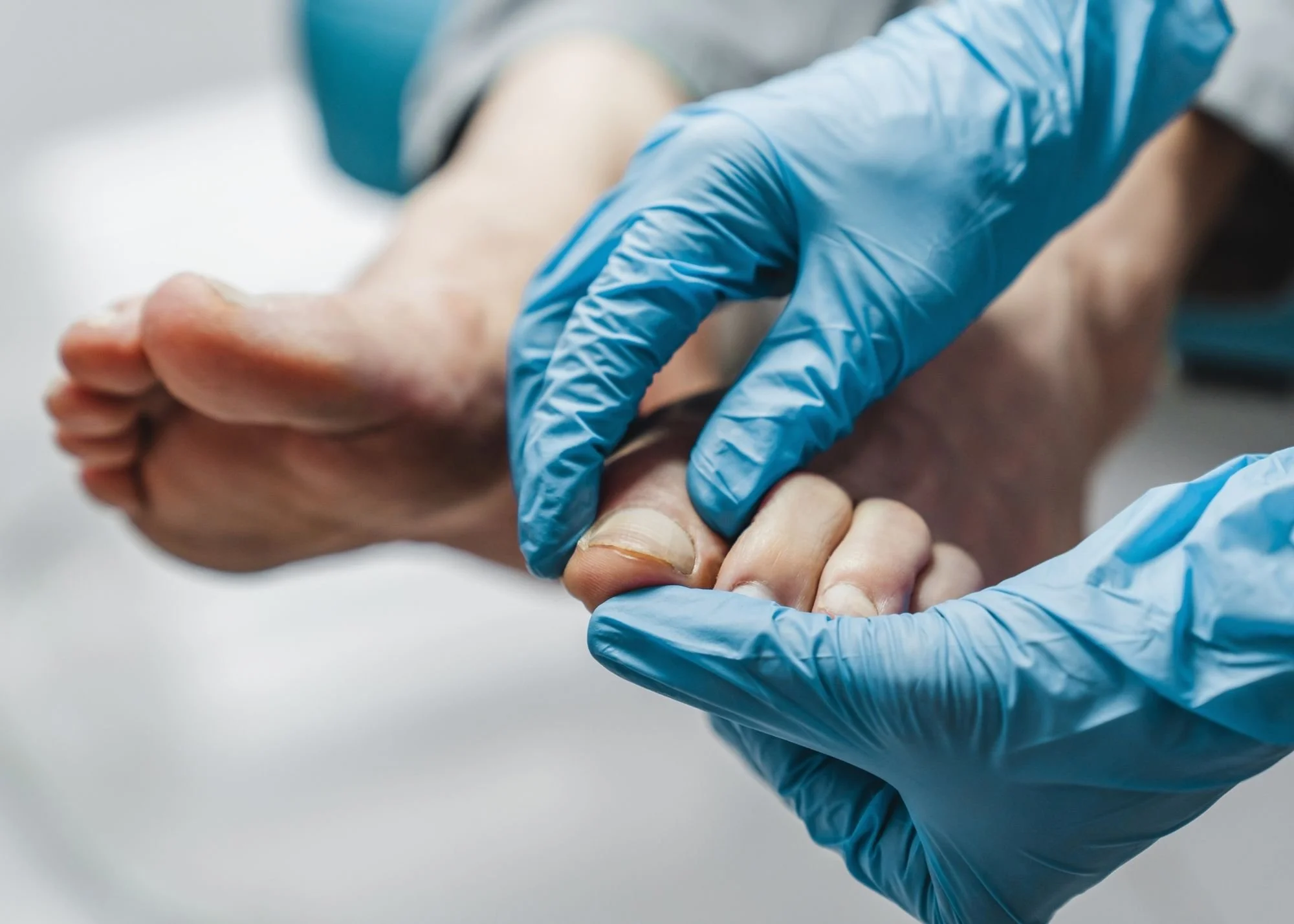
Laser therapy for fungal nails uses specific wavelengths of light that penetrate the nail plate and reach the nail bed where the fungal infection lives. The light energy is absorbed by the fungus, generating heat that disrupts fungal cells and inhibits their growth. Healthy surrounding tissue is unaffected because it doesn't absorb the wavelengths in the same way.
The treatment doesn't require breaking the skin, doesn't have systemic effects, and doesn't interact with medications. Multiple sessions are typically required because the laser must reach all areas of fungal involvement and because new healthy nail must grow in to replace the infected portion. The visible improvement timeline matches that of any fungal nail treatment — months rather than weeks.
KEY FEATURES OF laser therapy for nails
— Non-systemic treatment. No oral medication, no liver function monitoring, no medication interactions to worry about.
— Targets fungus directly. Specific wavelengths absorbed by fungus, leaving surrounding tissue unaffected.
— Quick treatment sessions. Each session takes about 30 minutes for both feet; treatment course typically involves 3 to 4 sessions.
— No downtime. Resume normal activities immediately after each session — no special care or restrictions.
Who This Is For
Laser therapy for nails is most appropriate for patients with confirmed fungal toenails who can't or prefer not to take oral antifungal medications. Common reasons include liver disease, certain medication interactions, pregnancy, breastfeeding, or simply personal preference for non-systemic treatment.
The treatment is also valuable for patients with mild to moderate fungal involvement where the systemic exposure of oral medications isn't justified, patients who have tried oral medications without adequate response, and patients who prefer to combine laser with topical antifungals for synergistic effect.
Built for patients who need a non-systemic option.
Active patients appreciate that laser therapy doesn't require any modification to training, activities, or footwear. There's no impact on athletic performance, no concerns about medication during competition, and no recovery period.
The treatment isn't appropriate for every fungal nail. Severe involvement of multiple nails sometimes responds better to oral medication. Patients with very thick, distorted nails may need debridement first to allow the laser to reach the fungus effectively. We evaluate honestly to determine which treatment makes sense for your specific situation.
CONDITIONS WE TREAT WITH LAser therapy for nails
— Recurrent Nail Fungus
— Patients Avoiding Oral Antifungals

Voted Best Podiatrist in the Best of Mile High — three years running.
RECOGNITION
We've been honored to be voted Best Podiatrist in the Best of Mile High in 2023, 2024, and 2025, and we've been named a Neighborhood Fave by Nextdoor. We've also earned a 4.8-star rating from more than 1,300 patients across our two offices. We mention this because we're proud of it — but also because those ratings are built one visit at a time, by real patients who took the time to say something. We don't take that lightly.
🏆 Best of Mile High 2023
🏆 Best of Mile High 2024
🏆 Best of Mile High 2025
⭐ Nextdoor Neighborhood Fave
how it works
Three steps to walking without pain again.
The path from your first phone call to lasting relief is simpler than most patients expect — and we'll walk you through every part of it.
STEP 1
Call to schedule
Pick the office that's most convenient — Wheat Ridge or Boulder — and call to book. New patients are always welcome, and most insurance plans are accepted.
01
STEP 2
Come in for a thoughtful evaluation
Your first visit is a conversation, not a conveyor belt. We listen to your history, examine what's going on, and use in-office digital X-rays or musculoskeletal ultrasound if we need a closer look.
02
STEP 3
Start a plan built around you
You'll leave understanding your condition, your options, and exactly what the next step looks like. No pressure, no upsell — just steady care.
03
Related Resources
Keep reading from our patient education library.
related service
Athlete's foot
Treating concurrent athlete's foot prevents reinfection of the nails after treatment.
Blog · diabetic
Diabetic foot care: why it's different and what to watch for
Why fungal nails warrant attention in diabetic patients.
related Service
Ingrown toenails
Some patients with fungal nails also deal with ingrown nail problems. Comprehensive nail care addresses both.
Blog · footwear
Arch support & running shoes: a guide for active Coloradans
Sweaty athletic footwear is a leading factor in fungal nail development.
Related service
Fungal toenails
Comprehensive fungal nail treatment, including when laser therapy is the right approach.
Blog · self-care
Foot exercises for strong, pain-free feet
Daily foot care habits that prevent fungal nail recurrence.
ANSWERS TO COMMON QUESTIONS
What patients ask about laser therapy for nails.
-
Clinical studies show laser therapy for fungal nails produces significant improvement in 60 to 70 percent of patients, with results visible over 9 to 12 months as new healthy nail grows in. Effectiveness is highest for mild to moderate cases and typically lower than oral antifungal medications for severe involvement.
Realistic expectations matter — laser therapy is effective for the right patients but isn't universally successful. Patients with very thick distorted nails, severe involvement of multiple nails, or specific fungal species may not respond as well. Combining laser therapy with topical antifungals often improves outcomes. We're honest about expected outcomes for your specific case rather than overpromising results.
-
Visible improvement from laser therapy takes 9 to 12 months because the affected nail must grow out completely and be replaced by new healthy nail growing from the matrix. The laser stops the fungal infection during treatment, but the visible cosmetic improvement requires the slow process of nail growth.
This timeline matches that of any fungal nail treatment — laser therapy isn't slower than oral antifungals for visible results. Patients sometimes expect quicker change and become discouraged when the affected nail still looks the same a few months after treatment. Photographs at the start and at each follow-up visit help track the new healthy nail growing in from the base. The trajectory becomes clear within 3 to 4 months even if the affected portion of nail still looks unchanged.
-
Laser therapy for nails involves warm sensations during treatment but no significant pain. Most patients describe the treatment as comfortable. No anesthesia is required. Brief sensations of heat occur as the laser delivers energy to specific areas, but there's no burning, no break in the skin, and no recovery discomfort.
The wavelengths used are tuned to be absorbed by fungal tissue rather than healthy tissue, which is why surrounding skin and nail aren't affected. Minor warmth is the only sensation most patients report. The treatment is significantly more comfortable than topical treatments that involve aggressive nail filing or chemical applications.
-
Most patients require 3 to 4 laser sessions spaced about 4 weeks apart. Some patients with mild infections see good results with fewer sessions. Severe cases sometimes benefit from additional treatments. The exact number depends on the extent of fungal involvement and individual response to treatment.
Treatment plans are tailored to individual situations. We track response at each session and adjust the plan based on visible improvement, evidence of new healthy nail growth, and overall trajectory. Some patients benefit from periodic maintenance treatments after the initial course to prevent recurrence. We discuss whether maintenance makes sense for your specific situation.
-
Most insurance plans don't cover laser therapy for fungal nails, considering it cosmetic. Self-pay rates vary by treatment center. HSA and FSA accounts can usually be used for laser therapy. Some plans cover the consultation and diagnosis even when they don't cover the treatment itself.
Our front office team verifies your specific benefits and provides clear cost expectations upfront. For patients comparing laser to oral antifungals, we walk through the trade-offs — laser is non-systemic but may cost more out-of-pocket; oral medications are typically covered but require monitoring and have potential side effects. We help you understand the full picture before making a treatment decision. We never recommend treatments primarily for revenue reasons.

READY WHEN YOU ARE
Call to schedule your visit.
We see patients from across the Denver metro area at our Wheat Ridge and Boulder offices. Both locations are accepting new patients, and both offer free parking. Call whichever office is most convenient — we'll take it from there.