
services · diabetic foot care
Diabetic foot care isn't optional. It's essential.
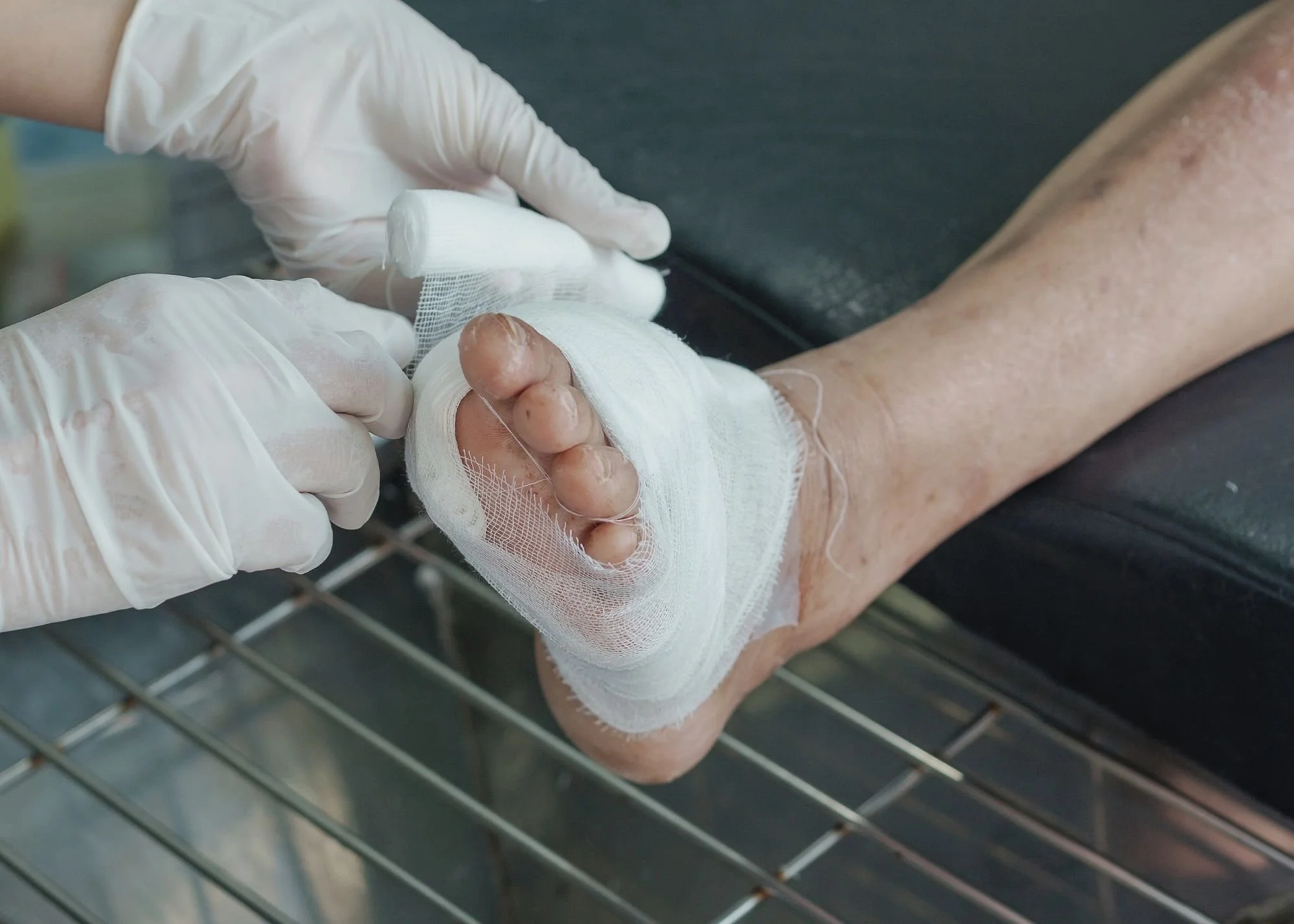
For patients with diabetes, comprehensive foot care is one of the highest-leverage things you can do to protect long-term health and mobility. Regular podiatric care prevents ulcers, identifies problems early when they're treatable, and dramatically reduces the risk of serious complications.
Wheat Ridge
⛰
Boulder
⛰
Arvada
⛰
Lakewood
⛰
Golden
⛰
Edgewater
⛰
Louisville
⛰
Lafayette
⛰
Superior
⛰
Broomfield
⛰
Erie
⛰
Longmont
⛰
Wheat Ridge ⛰ Boulder ⛰ Arvada ⛰ Lakewood ⛰ Golden ⛰ Edgewater ⛰ Louisville ⛰ Lafayette ⛰ Superior ⛰ Broomfield ⛰ Erie ⛰ Longmont ⛰
About This Service
What diabetic foot care actually involves.
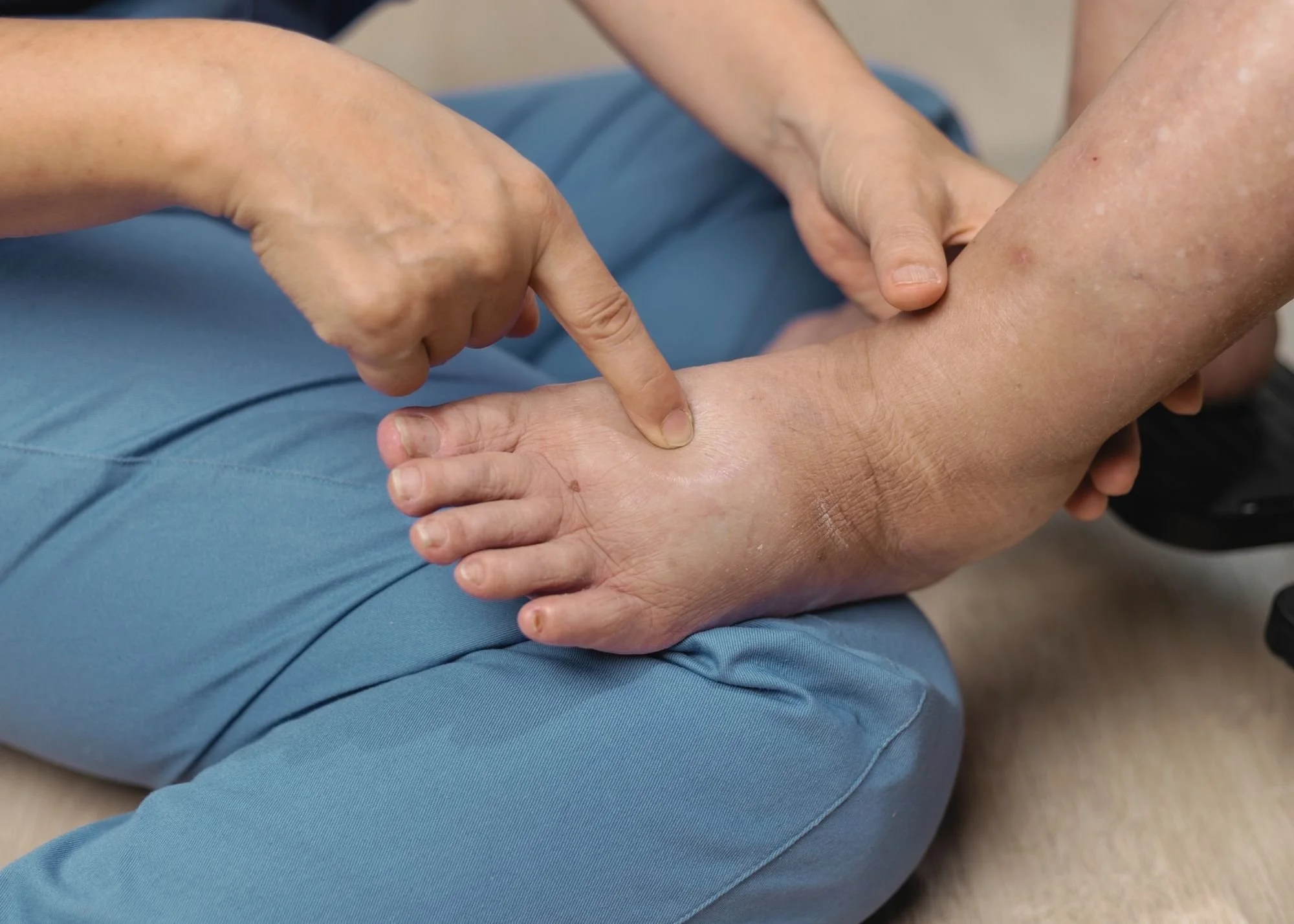
Diabetes affects feet in multiple ways — peripheral neuropathy reduces sensation, peripheral arterial disease compromises circulation, and elevated blood sugar impairs healing. Together, these factors mean that minor foot issues that would be inconvenient for non-diabetic patients can become serious medical emergencies for diabetic patients.
Comprehensive diabetic foot care is preventive, ongoing, and proactive. Regular exams identify problems before they become serious. Education and support help patients perform daily foot care effectively. Custom orthotics and protective footwear prevent the pressure points that drive ulceration. When problems develop, prompt treatment prevents progression to serious complications.
WHAT'S INCLUDED IN THIS SERVICE
— Comprehensive diabetic foot exam. Sensation testing, vascular assessment, structural evaluation, and skin/nail inspection at every visit.
— Preventive nail and skin care. Safe, professional management of corns, calluses, ingrown nails, and fungal infections.
— Custom diabetic orthotics. Pressure-redistributing orthotics that prevent the high-pressure points where ulcers develop.
— Patient education. Practical guidance on daily inspection, footwear selection, and warning signs to watch for.
Who This Is For
Every diabetic patient benefits from regular podiatric care, but the frequency and intensity should match individual risk factors. Patients with intact sensation and good circulation may need annual checkups. Those with neuropathy, circulation issues, or previous ulcers benefit from quarterly visits or more frequent care.
We work closely with your primary care team and endocrinologist to provide coordinated care. Foot health is part of overall diabetes management, and communication between providers produces better outcomes than fragmented care. We send notes back to your primary physician after every visit.
Built for diabetic patients ready to protect their feet.
For active diabetic patients — including those who continue to walk regularly, hike, golf, or maintain other activities — protective footwear and orthotics make active lifestyles safer. We help you stay active without unnecessary risk.
For patients with established complications including peripheral neuropathy, peripheral arterial disease, Charcot foot, previous ulcers, or amputation history, we provide intensive care that focuses on protection, monitoring, and rapid response when issues develop.
CONDITIONS AND CONCERNS WE ADDRESS

Voted Best Podiatrist in the Best of Mile High — three years running.
RECOGNITION
We've been honored to be voted Best Podiatrist in the Best of Mile High in 2023, 2024, and 2025, and we've been named a Neighborhood Fave by Nextdoor. We've also earned a 4.8-star rating from more than 1,300 patients across our two offices. We mention this because we're proud of it — but also because those ratings are built one visit at a time, by real patients who took the time to say something. We don't take that lightly.
🏆 Best of Mile High 2023
🏆 Best of Mile High 2024
🏆 Best of Mile High 2025
⭐ Nextdoor Neighborhood Fave
how it works
Three steps to walking without pain again.
The path from your first phone call to lasting relief is simpler than most patients expect — and we'll walk you through every part of it.
STEP 1
Call to schedule
Pick the office that's most convenient — Wheat Ridge or Boulder — and call to book. New patients are always welcome, and most insurance plans are accepted.
01
STEP 2
Come in for a thoughtful evaluation
Your first visit is a conversation, not a conveyor belt. We listen to your history, examine what's going on, and use in-office digital X-rays or musculoskeletal ultrasound if we need a closer look.
02
STEP 3
Start a plan built around you
You'll leave understanding your condition, your options, and exactly what the next step looks like. No pressure, no upsell — just steady care.
03
Related Resources
Keep reading from our patient education library.
treatment service
Custom orthotics
Pressure-redistributing orthotics are one of the highest-leverage interventions for preventing diabetic foot ulcers.
Blog · aging
Foot exercises and care for older adults: staying steady at every age
Care strategies for older adults — many of whom are managing diabetes alongside other foot concerns.
related service
Geriatric foot care
Many diabetic patients benefit from comprehensive geriatric foot care that addresses age-related concerns alongside diabetes.
Blog · Self-Care
Foot exercises for strong, pain-free feet
Daily exercises that support circulation and protect diabetic feet.
Related service
Wound care
When ulcers develop, prompt expert wound care prevents progression to serious complications.
Blog · essentials
Diabetic foot care: why it's different and what to watch for
Daily care habits, warning signs, and what makes diabetic feet need special attention.
ANSWERS TO COMMON QUESTIONS
What patients ask about diabetic foot care.
-
Most diabetic patients should have a comprehensive foot exam at least annually. Patients with peripheral neuropathy, peripheral arterial disease, foot deformities, history of ulcers, or other risk factors benefit from quarterly visits. Those actively managing wounds or recent complications may need more frequent care.
The American Diabetes Association recommends annual comprehensive foot exams for all diabetic patients and more frequent visits based on individual risk. Patients often underestimate how much benefit they get from regular preventive visits — small problems caught early are dramatically easier to resolve than the same problems caught late. We work with you to set the right cadence based on your specific situation.
-
Warning signs that warrant prompt podiatric evaluation include any cuts, sores, or blisters that don't heal within a few days; redness, swelling, or warmth in any area of the foot; changes in skin color or temperature; new pain, numbness, or tingling; ingrown toenails; thick or discolored nails; and any open wounds.
For diabetic patients, the rule is simple: if something on your foot doesn't seem right, don't wait. Issues that seem minor — a small blister, a tiny cut, a callus that's gotten thicker — can progress rapidly in patients with neuropathy or circulation issues. Daily foot inspection is essential, and any concerning finding warrants prompt evaluation rather than watchful waiting.
-
Yes — most diabetic foot ulcers are preventable with consistent foot care. Daily foot inspection, properly fitting protective footwear, custom orthotics that redistribute pressure, regular professional foot care, blood sugar control, and prompt treatment of any developing issues dramatically reduce ulcer risk.
The vast majority of diabetic ulcers develop in predictable locations — over bony prominences, under high-pressure areas, on toes affected by deformities. Custom orthotics designed specifically for diabetic feet redistribute pressure away from these high-risk areas. Combined with appropriate footwear and regular professional care, the risk of ulceration drops substantially. For high-risk patients, this combination of preventive measures has been shown to significantly reduce hospitalization and amputation rates.
-
Daily diabetic foot care should include visual inspection of both feet (use a mirror if needed), washing with mild soap and lukewarm water, thorough drying including between toes, applying moisturizer to dry areas (avoiding between toes), wearing clean cotton socks, and inspecting shoes before putting them on for foreign objects.
What to avoid is equally important: don't soak your feet for extended periods, don't use heating pads or hot water bottles, never walk barefoot, don't use over-the-counter corn or callus removers with acid, don't trim corns or calluses with sharp tools at home, and don't ignore minor cuts or blisters. Patients with significant neuropathy especially need to compensate for reduced sensation by using their eyes — visual inspection is critical when you can't feel problems developing.
-
Yes — diabetic foot care is well-covered by most insurance plans, including Medicare. Medicare specifically covers comprehensive diabetic foot exams annually for patients with diabetic peripheral neuropathy and provides coverage for therapeutic shoes and inserts for qualified patients. Table Mountain Foot & Ankle accepts most major insurance plans, Medicare, and Medicaid.
The Medicare Therapeutic Shoe Bill specifically provides one pair of therapeutic shoes and three pairs of inserts annually for diabetic patients with qualifying conditions including neuropathy, foot deformities, history of ulcers, or amputation history. Our front office team handles the documentation and helps you access these benefits. For patients with private insurance, we verify your specific diabetic foot care benefits before your appointment.

READY WHEN YOU ARE
Call to schedule your visit.
We see patients from across the Denver metro area at our Wheat Ridge and Boulder offices. Both locations are accepting new patients, and both offer free parking. Call whichever office is most convenient — we'll take it from there.