
Conditions · Heel Pain
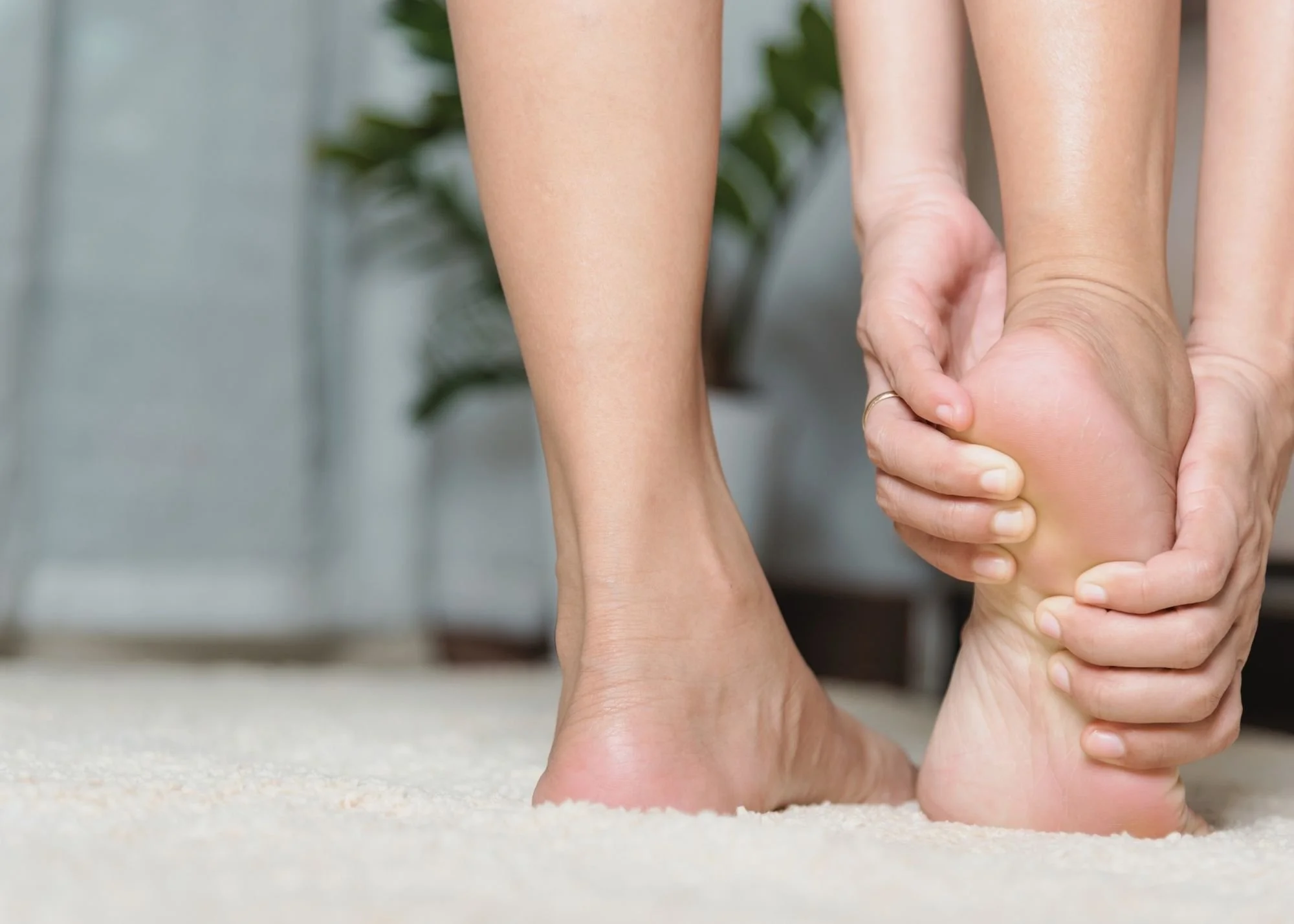
Heel pain has a dozen causes. Plantar fasciitis is the most famous one.
Heel pain is the single most common reason patients walk into a podiatry office — and the diagnostic puzzle that gets missed most often. Plantar fasciitis is the headline diagnosis, but bursitis, heel spurs, fat pad atrophy, calcaneal stress fractures, and Baxter's nerve entrapment all mimic it. Treating the wrong condition extends your recovery by months.
Wheat Ridge
⛰
Boulder
⛰
Arvada
⛰
Lakewood
⛰
Golden
⛰
Edgewater
⛰
Louisville
⛰
Lafayette
⛰
Superior
⛰
Broomfield
⛰
Erie
⛰
Longmont
⛰
Wheat Ridge ⛰ Boulder ⛰ Arvada ⛰ Lakewood ⛰ Golden ⛰ Edgewater ⛰ Louisville ⛰ Lafayette ⛰ Superior ⛰ Broomfield ⛰ Erie ⛰ Longmont ⛰
THE PROBLEM
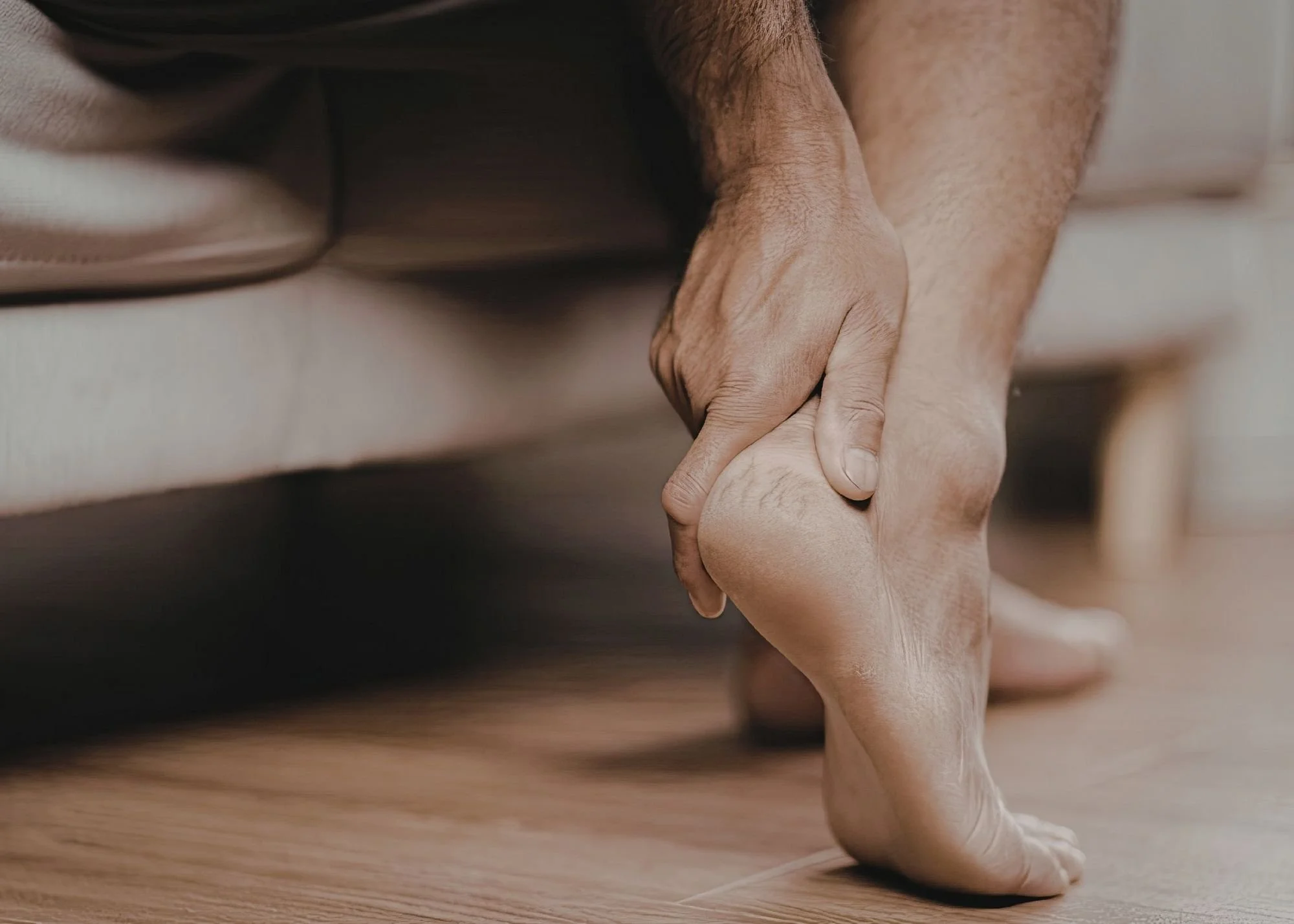
If it hurts every morning, the cause matters more than the diagnosis you've heard.
The heel takes more impact than almost any other part of your body — every step, every run, every time you stand up from a chair. The structures here include the plantar fascia, the Achilles tendon insertion, multiple bursae, the heel pad, and small nerves that all live within a few inches of each other. Pain in any of them can feel like "heel pain."
What complicates accurate diagnosis is that many of these conditions present similarly. Most patients with persistent heel pain have been told they have plantar fasciitis — sometimes correctly, sometimes not. When standard plantar fasciitis treatment isn't producing relief, the diagnosis often needs revisiting.
COMMON SYMPTOMS WE LOOK FOR
— Sharp morning pain. Knife-like pain with the first steps after waking — classically plantar fasciitis but not always.
— Pain at the back of the heel. Discomfort at the Achilles insertion or above — different from bottom-of-heel pain.
— Pain that builds with activity. Pain that worsens steadily during a run or long day on your feet.
— Bruising or focal tenderness. Specific tender spots that may indicate stress fracture or fat pad damage.
How We Treat It
Effective heel pain treatment starts with accurate diagnosis. We use clinical examination, gait analysis, palpation of specific structures, and imaging when warranted to identify what's actually causing the pain. The combination of where you hurt, when you hurt, and how the pain responds to specific tests usually identifies the cause within a single visit.
Most heel pain responds well to conservative care once correctly diagnosed. Custom orthotics, daily stretching, footwear changes, and activity modification address the majority of cases. For Boulder and Front Range runners, our sports medicine approach integrates training adjustments alongside clinical treatment.
Treatment that starts with finding the actual cause.
For chronic or treatment-resistant heel pain, advanced therapies become valuable. Radial shockwave therapy stimulates healing in chronic plantar fasciitis. Regenerative medicine accelerates recovery in stubborn tendon issues. These options bridge the gap before surgery is ever considered.
Surgical treatment is reserved for the small percentage of patients whose heel pain hasn't responded to comprehensive conservative care — and even then, we evaluate honestly to make sure surgery is genuinely the right answer.
TREATMENT OPTIONS WE OFFER FOR Heel pain
— Stretching Protocols
— Night Splints
— Cortisone Injections

🏆 Best of Mile High 2023
🏆 Best of Mile High 2025
🏆 Best of Mile High 2024
⭐ Nextdoor Neighborhood Fave
Voted Best Podiatrist in the Best of Mile High — three years running.
RECOGNITION
We've been honored to be voted Best Podiatrist in the Best of Mile High in 2023, 2024, and 2025, and we've been named a Neighborhood Fave by Nextdoor. We've also earned a 4.8-star rating from more than 1,300 patients across our two offices. We mention this because we're proud of it — but also because those ratings are built one visit at a time, by real patients who took the time to say something. We don't take that lightly.
how it works
Three steps to walking without pain again.
The path from your first phone call to lasting relief is simpler than most patients expect — and we'll walk you through every part of it.
STEP 1
Call to schedule
Pick the office that's most convenient — Wheat Ridge or Boulder — and call to book. New patients are always welcome, and most insurance plans are accepted.
01
STEP 2
Come in for a thoughtful evaluation
Your first visit is a conversation, not a conveyor belt. We listen to your history, examine what's going on, and use in-office digital X-rays or musculoskeletal ultrasound if we need a closer look.
02
STEP 3
Start a plan built around you
You'll leave understanding your condition, your options, and exactly what the next step looks like. No pressure, no upsell — just steady care.
03
Related Resources
Keep reading from our patient education library.
Related Condition
Heel spurs
Often diagnosed alongside plantar fasciitis but rarely the actual source of pain. Here's the difference.
Blog · Footwear
Arch support & running shoes: a guide for active Coloradans
How footwear choice affects heel pain — and when custom orthotics outperform stock support.
Treatment Service
Custom orthotics
The single most impactful long-term treatment for most heel pain conditions tied to biomechanical issues.
Blog · Self-Care
Foot exercises for strong, pain-free feet
Stretches and strengthening movements that protect against heel pain and prevent recurrence.
Related Condition
Plantar fasciitis
The most common cause of heel pain — but not the only one. Learn when plantar fasciitis is the right diagnosis.
Blog · Deep Dive
Heel pain decoded: plantar fasciitis, heel spurs, bursitis & more
A complete guide to the dozen conditions that cause heel pain — and how a podiatrist tells them apart.
ANSWERS TO COMMON QUESTIONS
What patients ask about heel pain.
-
Sharp heel pain with the first steps after waking is the classic sign of plantar fasciitis — inflammation and microtearing of the plantar fascia. The pain occurs because the fascia tightens overnight, and the first steps stretch it abruptly. The pain often improves after the first few minutes of walking.
Morning heel pain can also occur with heel spurs, fat pad atrophy, and rarely with stress fractures. The pattern of how the pain behaves during the day — whether it improves with activity, returns after rest, or worsens steadily — helps narrow the diagnosis. If your morning heel pain has lasted more than a few weeks, it's worth getting evaluated rather than assuming it will resolve on its own.
-
No — plantar fasciitis accounts for about 80 percent of heel pain cases, but at least a dozen other conditions cause similar symptoms. Heel spurs, retrocalcaneal bursitis, fat pad atrophy, calcaneal stress fractures, Baxter's nerve entrapment, and tarsal tunnel syndrome all mimic plantar fasciitis.
When standard plantar fasciitis treatment isn't producing relief after several weeks, the diagnosis often needs revisiting. About 10 percent of patients with persistent heel pain turn out to have something other than plantar fasciitis. A thorough podiatric evaluation can identify which specific condition is causing your pain — and the right diagnosis is the foundation of effective treatment.
-
Most heel pain improves within 6 to 12 weeks of starting an appropriate treatment plan. Chronic cases that have persisted for over six months may take 3 to 6 months to fully resolve. The biggest factor in recovery time is how early treatment starts and whether the diagnosis is accurate.
Patients who come in within the first few weeks of symptoms recover dramatically faster than those who wait months. For Boulder and Front Range runners and active patients, recovery often involves a combination of custom orthotics, stretching protocols, and graduated return to activity. For chronic cases, advanced therapies like radial shockwave or regenerative medicine accelerate recovery when first-line treatment hasn't been enough.
-
Schedule a podiatry evaluation for heel pain that has lasted more than 2 to 3 weeks despite home care, pain that interferes with daily activities or sleep, sudden severe heel pain (which can indicate fascia rupture or stress fracture), or any heel pain in patients with diabetes, neuropathy, or compromised circulation.
Earlier intervention dramatically improves outcomes. Patients who treat heel pain like a minor inconvenience for months often end up with chronic conditions that take far longer to resolve. If you've been adapting to heel pain by changing your activities or your gait, that's a sign it warrants professional evaluation. Most heel pain has a treatable cause — even cases that have lingered for years.
-
Yes, most major insurance plans cover heel pain evaluation and treatment, including office visits, imaging, and most treatment options. Table Mountain Foot & Ankle accepts most major insurance plans, Medicare, and workers' compensation.
Specific coverage varies by plan, particularly for advanced treatments like radial shockwave therapy or regenerative medicine, which are sometimes considered elective. Custom orthotics may be partially covered depending on your plan and diagnosis. Our front office team verifies your specific benefits before your appointment so there are no surprises.

READY WHEN YOU ARE
Call to schedule your visit.
We see patients from across the Denver metro area at our Wheat Ridge and Boulder offices. Both locations are accepting new patients, and both offer free parking. Call whichever office is most convenient — we'll take it from there.