
Conditions ·Heel Spurs
The spur isn't usually the problem. The fascia is.
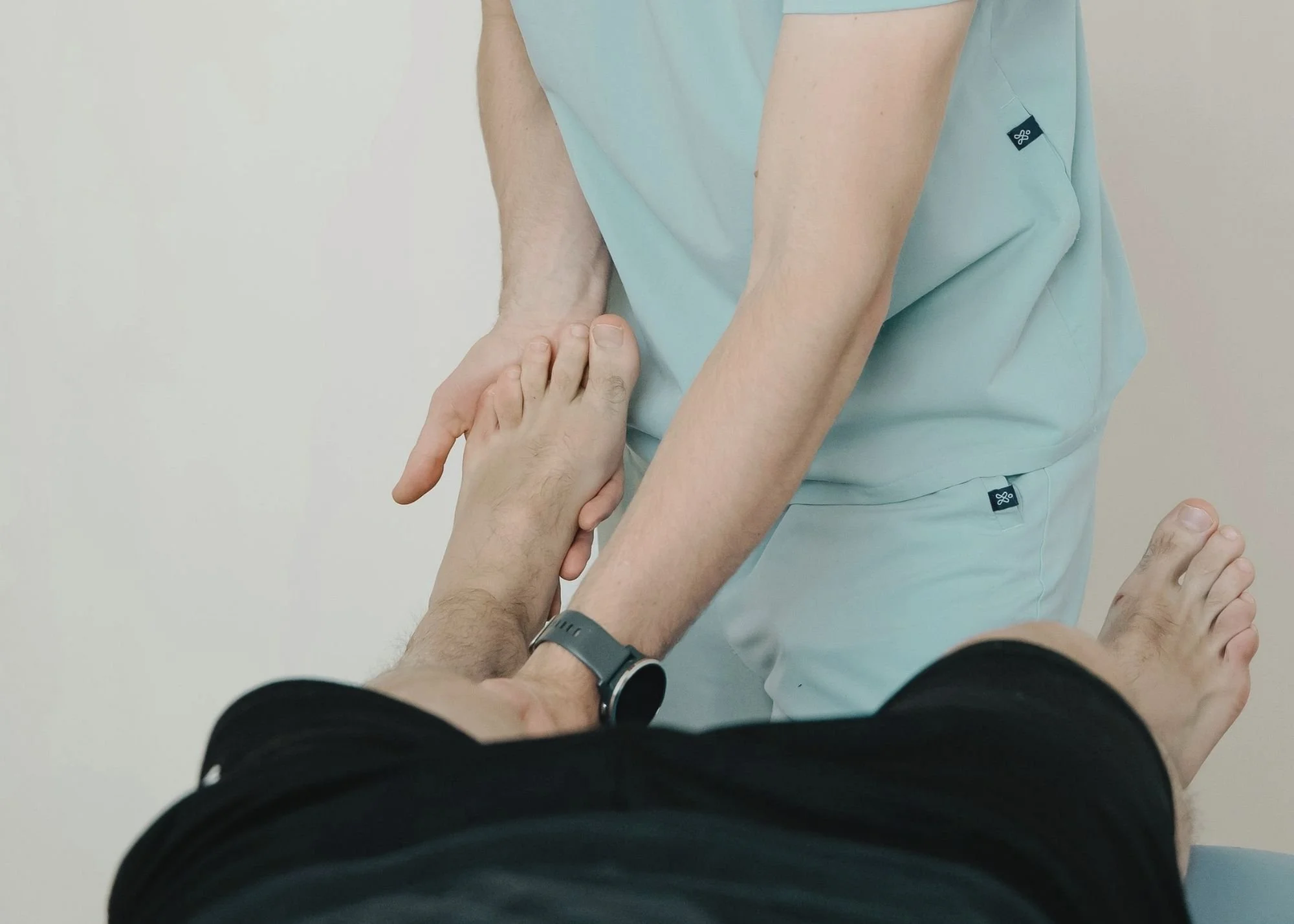
Heel spurs are bony growths on the underside of the heel bone — and they show up on imaging far more often than they cause pain. Many people have visible heel spurs with no symptoms at all, while others have severe heel pain with no spur. Understanding what's really going on changes everything about treatment.
Wheat Ridge
⛰
Boulder
⛰
Arvada
⛰
Lakewood
⛰
Golden
⛰
Edgewater
⛰
Louisville
⛰
Lafayette
⛰
Superior
⛰
Broomfield
⛰
Erie
⛰
Longmont
⛰
Wheat Ridge ⛰ Boulder ⛰ Arvada ⛰ Lakewood ⛰ Golden ⛰ Edgewater ⛰ Louisville ⛰ Lafayette ⛰ Superior ⛰ Broomfield ⛰ Erie ⛰ Longmont ⛰
THE PROBLEM
A heel spur is a marker, not always a cause.
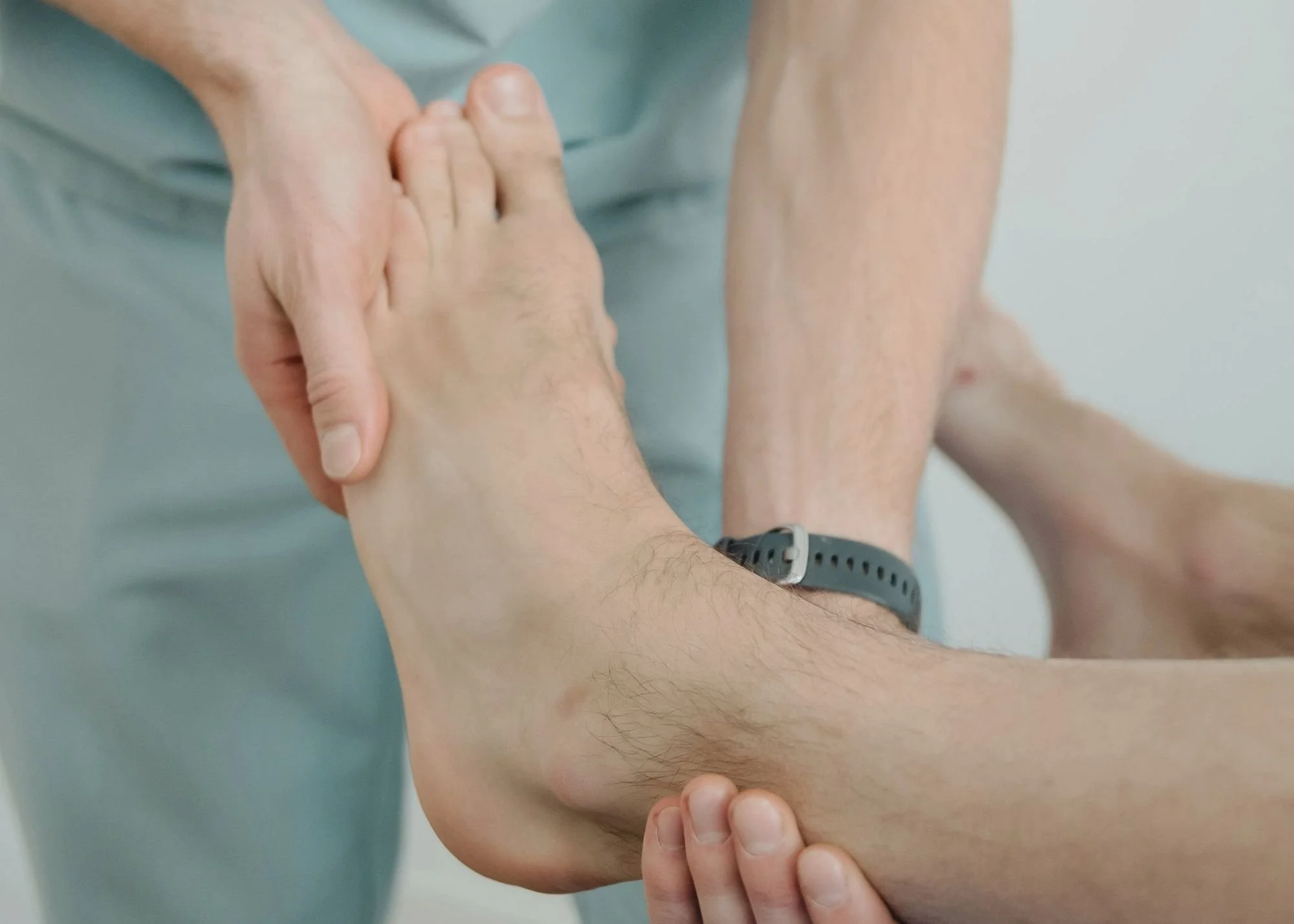
A heel spur is a calcium deposit that builds up on the underside of the heel bone (calcaneus), often forming where the plantar fascia attaches. They develop slowly over time, typically as the body's response to long-term strain on the fascia or surrounding tissues.
Here's what surprises most patients: the spur itself rarely causes the pain. Research has shown that the actual source of "heel spur pain" is usually the inflamed plantar fascia or surrounding soft tissue — not the bony spur visible on the X-ray. This matters because treating the spur surgically is rarely necessary or effective. Treating the underlying plantar fasciitis usually resolves the pain.
COMMON SYMPTOMS WE LOOK FOR
— Pain at the bottom of the heel. Usually identical to plantar fasciitis pain — sharp with first steps, often improving briefly with movement.
— Visible spur on imaging. X-rays show the bony growth, but the spur itself is rarely the pain source.
— Concurrent plantar fasciitis. Most painful heel spurs come with active plantar fasciitis underneath.
— Long-standing heel discomfort. Spurs develop over years, so the pain often has a slow, accumulating history.
How We Treat It
Treatment that targets the actual pain source.
Effective heel spur treatment focuses almost entirely on the underlying plantar fasciitis. Custom orthotics support the arch, reduce strain on the fascia, and indirectly relieve pressure around the spur. Daily stretching and footwear changes address the tightness and overload driving the inflammation.
For chronic cases, advanced therapies like radial shockwave therapy stimulate healing in the surrounding tissue. Regenerative medicine including platelet-rich plasma injections accelerates recovery in stubborn fasciitis when conservative measures haven't been enough.
Cortisone injections can provide significant temporary relief during acute flares, but we use them selectively. Repeated cortisone in the same area can weaken tissues over time, so they're best used as part of a broader plan rather than as a primary treatment.
Surgical removal of the spur is rarely necessary. Even when surgery is considered, it's typically combined with plantar fascia release rather than spur excision alone. We exhaust conservative options thoroughly before recommending any surgical intervention.
TREATMENT OPTIONS WE OFFER FOR heel spurs
— Stretching Protocols
— Night Splints
— Cortisone Injections
🏆 Best of Mile High 2023
🏆 Best of Mile High 2025
🏆 Best of Mile High 2024
⭐ Nextdoor Neighborhood Fave
Voted Best Podiatrist in the Best of Mile High — three years running.
RECOGNITION
We've been honored to be voted Best Podiatrist in the Best of Mile High in 2023, 2024, and 2025, and we've been named a Neighborhood Fave by Nextdoor. We've also earned a 4.8-star rating from more than 1,300 patients across our two offices. We mention this because we're proud of it — but also because those ratings are built one visit at a time, by real patients who took the time to say something. We don't take that lightly.
how it works
Three steps to walking without pain again.
The path from your first phone call to lasting relief is simpler than most patients expect — and we'll walk you through every part of it.
STEP 1
Call to schedule
Pick the office that's most convenient — Wheat Ridge or Boulder — and call to book. New patients are always welcome, and most insurance plans are accepted.
01
STEP 2
Come in for a thoughtful evaluation
Your first visit is a conversation, not a conveyor belt. We listen to your history, examine what's going on, and use in-office digital X-rays or musculoskeletal ultrasound if we need a closer look.
02
STEP 3
Start a plan built around you
You'll leave understanding your condition, your options, and exactly what the next step looks like. No pressure, no upsell — just steady care.
03
Related Resources
Keep reading from our patient education library.
Advanced Treatment
Radial shockwave therapy
Acoustic wave therapy stimulates healing in chronic plantar fasciitis when conservative care hasn't fully resolved symptoms.
Blog · Footwear
Arch support & running shoes: a guide for active Coloradans
How shoe choice affects heel pain — and when custom orthotics outperform stock support.
Treatment Service
Custom orthotics
The most impactful long-term treatment for heel spur pain — supporting the arch and reducing fascia strain.
Blog · Self-Care
Foot exercises for strong, pain-free feet
Stretches and strengthening movements that prevent heel spur pain from coming back.
Related Condition
Plantar fasciitis
Most painful heel spurs come with active plantar fasciitis. Understanding the relationship is key to effective treatment.
Blog · Deep Dive
Heel pain decoded: plantar fasciitis, heel spurs, bursitis & more
A complete guide to the dozen conditions that cause heel pain — and how a podiatrist tells them apart.
ANSWERS TO COMMON QUESTIONS
What patients ask about heel spurs.
-
Usually not. Research has shown that the bony spur itself is rarely the source of pain. The actual cause of "heel spur pain" is typically the inflamed plantar fascia or surrounding soft tissue — and many people with visible heel spurs have no symptoms at all.
This is why heel spur surgery is rarely necessary or effective. Treating the underlying plantar fasciitis with conservative care, advanced therapies, and biomechanical support resolves the pain in the vast majority of cases. If a previous provider recommended surgery to remove the spur without first exhausting conservative options, getting a second opinion is worth your time.
-
No — heel spurs themselves don't disappear once they've formed. However, the pain associated with them almost always resolves with appropriate treatment of the underlying plantar fasciitis. The spur can remain visible on X-ray indefinitely without causing any symptoms.
This is one of the most important things for patients to understand. Many people see a heel spur on imaging and assume it needs to be physically removed for the pain to go away. In reality, the spur is just a bony marker of long-term fascia strain. Once you treat the strain, the pain resolves — even though the spur is still there. Patients who go years without symptoms while still having the spur on imaging are very common.
-
Almost never. Heel spur surgery is rarely necessary or effective because the spur itself is usually not the source of pain. Surgical intervention is reserved for the rare cases of severe, treatment-resistant heel pain that hasn't responded to comprehensive conservative care, and even then is typically combined with plantar fascia release rather than spur excision alone.
Conservative care including custom orthotics, stretching, footwear changes, and advanced therapies like radial shockwave or regenerative medicine resolves the vast majority of cases. If a provider has recommended heel spur surgery without first walking you through a thorough conservative care plan, that's a sign to seek a second opinion. Surgery should always be a last resort, not a first option.
-
A heel spur is a bony calcium deposit on the heel bone, while plantar fasciitis is inflammation of the plantar fascia tissue. They often appear together but are distinct conditions. The plantar fasciitis is typically what causes the pain — the heel spur is a marker of long-term fascia strain.
Many patients have one without the other. Plenty of people have visible heel spurs with no symptoms at all, while others have severe plantar fasciitis with no visible spur. When both are present, treatment focuses on the plantar fasciitis. Resolving the inflammation typically resolves the pain even though the spur remains visible on imaging.
-
Yes, most major insurance plans cover heel spur evaluation and treatment, including office visits, imaging, injections, and conservative care. Table Mountain Foot & Ankle accepts most major insurance plans, Medicare, and workers' compensation.
Specific coverage varies by plan, particularly for advanced treatments like radial shockwave therapy or regenerative medicine, which are sometimes considered elective. Custom orthotics may be partially covered depending on your plan and diagnosis. Our front office team verifies your benefits before your appointment.

READY WHEN YOU ARE
Call to schedule your visit.
We see patients from across the Denver metro area at our Wheat Ridge and Boulder offices. Both locations are accepting new patients, and both offer free parking. Call whichever office is most convenient — we'll take it from there.