How to Handle a Long Work Day on Your Feet
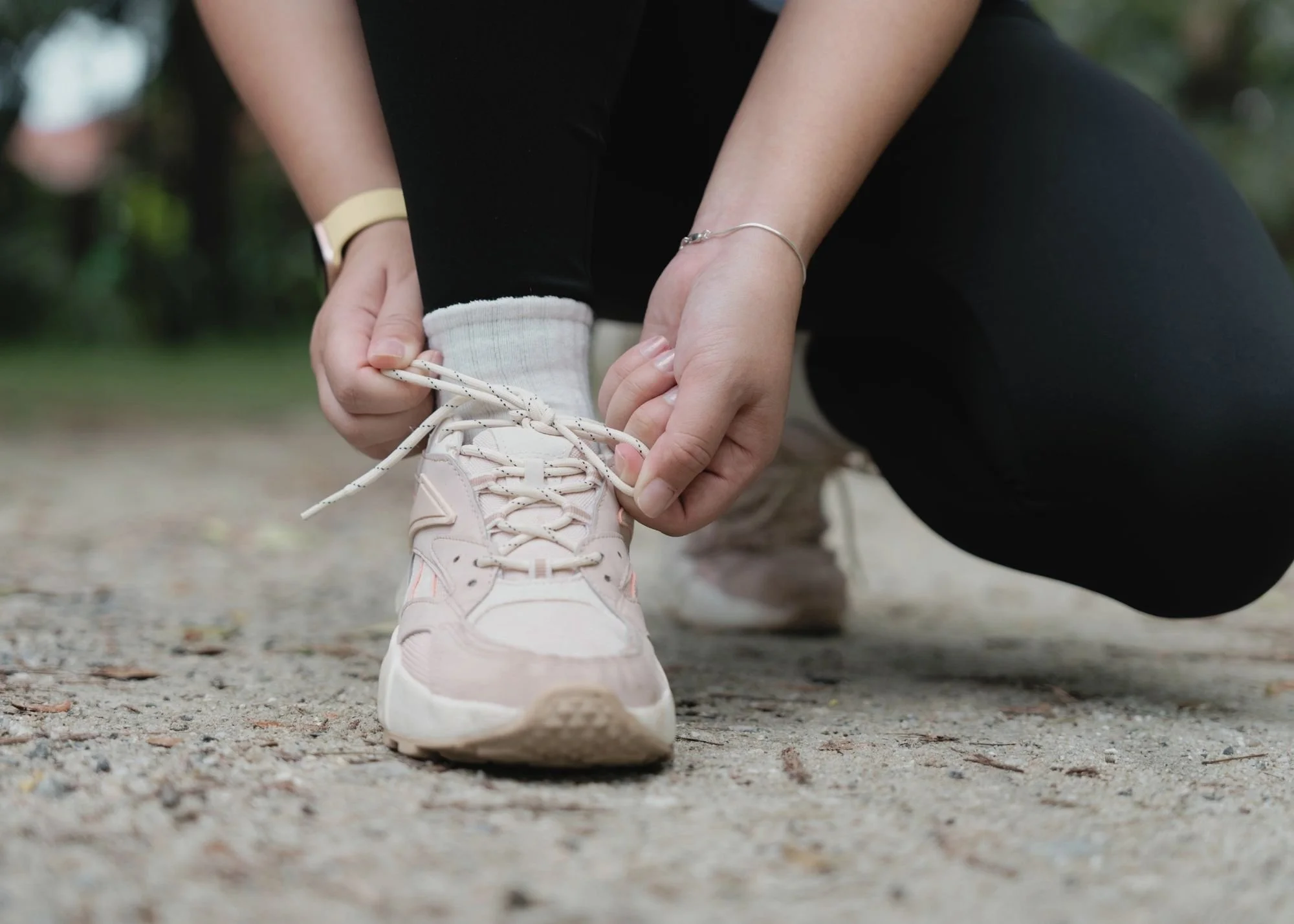
Some jobs put your feet through a workout most athletes wouldn't want to repeat daily. Nurses, teachers, retail workers, restaurant staff, factory workers, hairstylists, security personnel, healthcare providers — millions of people spend most of their working hours on their feet, often on hard surfaces, often for shifts that stretch past the body's comfortable limits. The cumulative effect can range from end-of-day fatigue to chronic foot conditions that compromise both work performance and quality of life.
Here's how to manage long days on your feet without paying the price in foot pain.
What Happens to Feet During Long Shifts
Standing for hours has predictable physiological effects:
Plantar fascia is loaded continuously, increasing strain
Calf muscles work to stabilize the foot rather than pump blood
Venous return slows, leading to swelling in feet and lower legs
Pressure points develop where weight concentrates
Skin friction accumulates, leading to blisters and calluses
Joint cartilage compresses without recovery periods
Muscle fatigue progresses faster than muscles can recover
Body weight can shift asymmetrically, creating one-sided strain
Walking is actually less stressful on the feet than prolonged standing — movement helps with circulation and gives the muscles intermittent recovery. Static standing is harder.
Common Foot Problems for People Who Stand All Day
Plantar fasciitis
Achilles tendinitis
Metatarsalgia (forefoot pain)
Heel spurs
Bunions and hammertoes (worsened by prolonged time in shoes)
Varicose veins
Lower back pain (from gait compensation)
Calluses and corns
Blisters
Knee and hip pain
Footwear: The Most Important Factor
What you wear on your feet for an 8-12 hour shift matters more than almost anything else.
What to Look For
Adequate cushioning, particularly under the heel and ball of the foot
Strong, supportive arch
Wide enough toe box for natural toe splay
Secure heel counter
Appropriate sole for your work surface (slip resistance, traction)
Appropriate weight (heavy shoes increase fatigue over a shift)
Breathability for moisture management
Replaceable shoe liners to accommodate orthotics
Industry-Specific Considerations
Healthcare: easy to clean, slip-resistant, comfortable for fast movement
Restaurant work: slip-resistant soles essential for greasy floors
Factory work: protective features (steel toe, puncture-resistant) per requirements
Retail: comfort prioritized; appearance per dress code
Education: balance between professional appearance and all-day comfort
Replacement Schedule
Work shoes wear out faster than most people realize. For someone on their feet 30-50 hours a week:
Replace every 6-12 months for athletic-style work shoes
More frequently if the cushioning is visibly compressed
Watch for worn outsoles, breakdown of upper materials, lost arch support
Don't wait until shoes hurt — pain is a late indicator
Custom Orthotics for Standing Workers
For workers with chronic foot pain or specific biomechanical issues, custom orthotics often produce dramatic improvement. Properly designed orthotics:
Distribute pressure across the entire foot rather than concentrating it
Support the arch dynamically
Reduce strain on overworked tendons
Address specific issues like overpronation or high arches
Often provide better comfort than even premium stock insoles
Many patients tell us that orthotics changed their working life — turning shifts that were progressively painful into manageable workdays.
Sock Strategy
Socks matter more than people realize:
Choose moisture-wicking synthetic or wool blends (avoid 100% cotton)
Look for seamless construction if you're prone to blisters
Compression socks help with circulation and reduce end-of-shift swelling
Have a fresh pair ready to change into during long shifts
Replace worn-out socks (they lose elasticity and structure)
Strategies During Your Shift
Brief Movement and Position Changes
Shift weight from one foot to the other every few minutes
Walk a few steps when possible, even just to the next station
Use anti-fatigue mats if your job allows
Take micro-breaks to flex feet and ankles
Rotate tasks throughout the day if you have control over your workflow
Hydration
Mild dehydration affects foot comfort more than most people realize:
Drink water consistently throughout your shift
Limit excessive caffeine and salt
Adequate hydration helps with circulation and tissue resilience
Maximize Break Time
Sit during breaks (don't just stand somewhere different)
Elevate feet when possible
Brief stretching of feet and calves
Foot massage with a tennis ball if you have privacy
After-Shift Recovery
Immediate Relief
Get off your feet and elevate them above heart level for 15-30 minutes
Soak in cool water (or use ice for acute soreness)
Massage the soles with a tennis ball or massage tool
Stretch calves and plantar fascia
Daily Recovery
Have at least one good stretch routine in your day
Foot exercises to maintain strength (toe curls, towel scrunches)
Calf stretching against a wall or stair
Light foot massage with lotion
Adequate sleep allows tissue recovery
See our companion piece on foot exercises and care for specific exercises that maintain foot function.
Long-Term Prevention
Maintain a healthy weight (each pound multiplies on the feet)
Cross-train with low-impact activities
Address foot deformities (bunions, hammertoes) before they cause secondary issues
Get regular foot evaluations if you have risk factors
Don't ignore early symptoms — small problems become big ones with continued exposure
When to See a Podiatrist
Foot pain that persists or worsens
Pain that's affecting your work performance
Calluses, corns, or skin issues from your work footwear
Recurring injuries or chronic conditions
Visible changes in foot structure
Numbness, tingling, or burning
Persistent swelling that doesn't resolve overnight
At Table Mountain Foot and Ankle, we work with patients across every industry that puts feet through long days — healthcare workers, teachers, retail and food service workers, manufacturing employees, and more. We tailor recommendations to your specific work requirements. Schedule an appointment to address foot pain that's affecting your work — and your life outside of it.