
Conditions · Neuroma
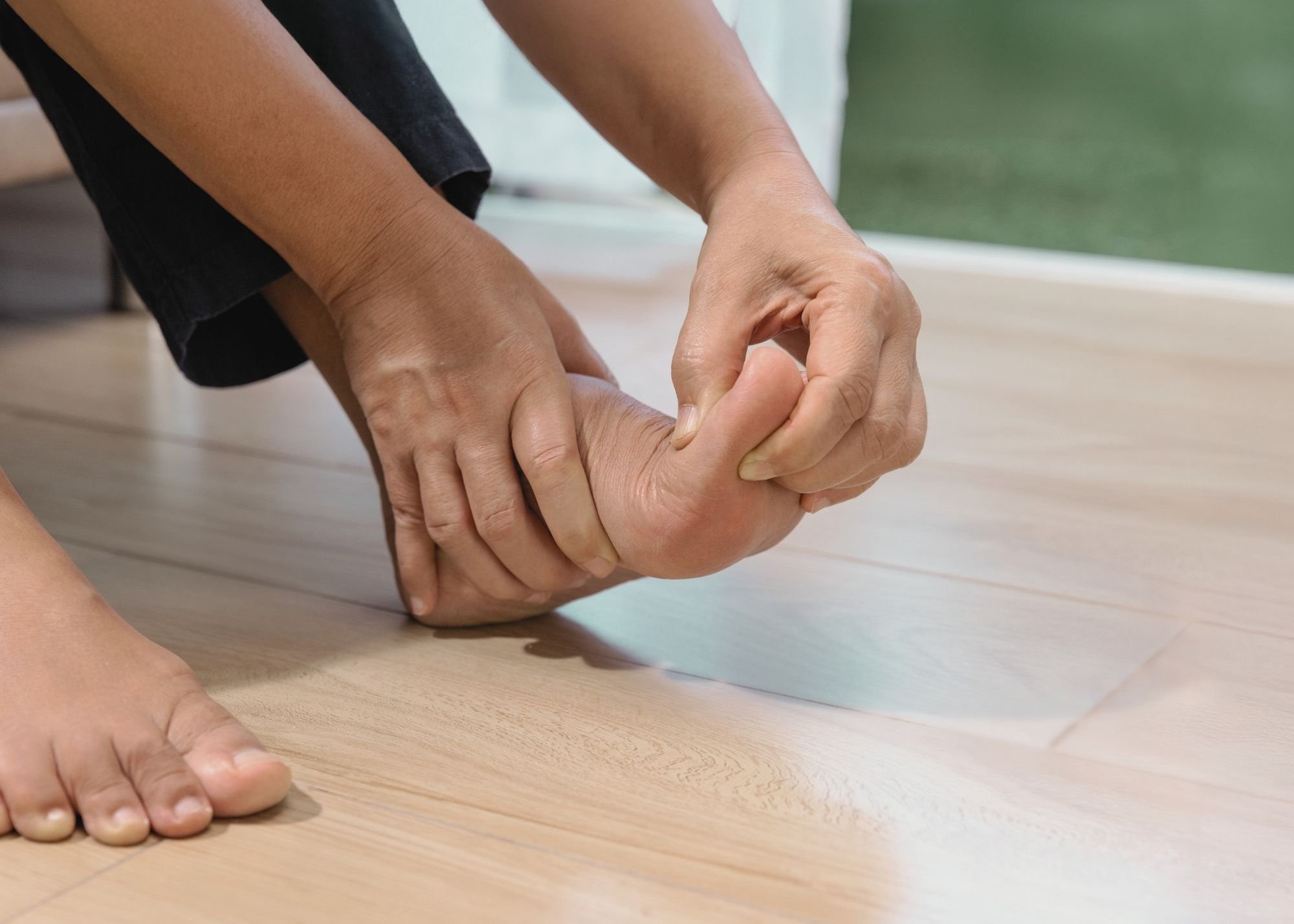
Burning, electric pain in the ball of your foot has a name.
Morton's neuroma is one of the most commonly misdiagnosed sources of forefoot pain — burning, tingling, or sharp shocks between the toes that worsen in shoes and ease when you take them off. The good news: with the right diagnosis and treatment, it's highly manageable.
Wheat Ridge
⛰
Boulder
⛰
Arvada
⛰
Lakewood
⛰
Golden
⛰
Edgewater
⛰
Louisville
⛰
Lafayette
⛰
Superior
⛰
Broomfield
⛰
Erie
⛰
Longmont
⛰
Wheat Ridge ⛰ Boulder ⛰ Arvada ⛰ Lakewood ⛰ Golden ⛰ Edgewater ⛰ Louisville ⛰ Lafayette ⛰ Superior ⛰ Broomfield ⛰ Erie ⛰ Longmont ⛰
THE PROBLEM
Not a tumor. A nerve under pressure.
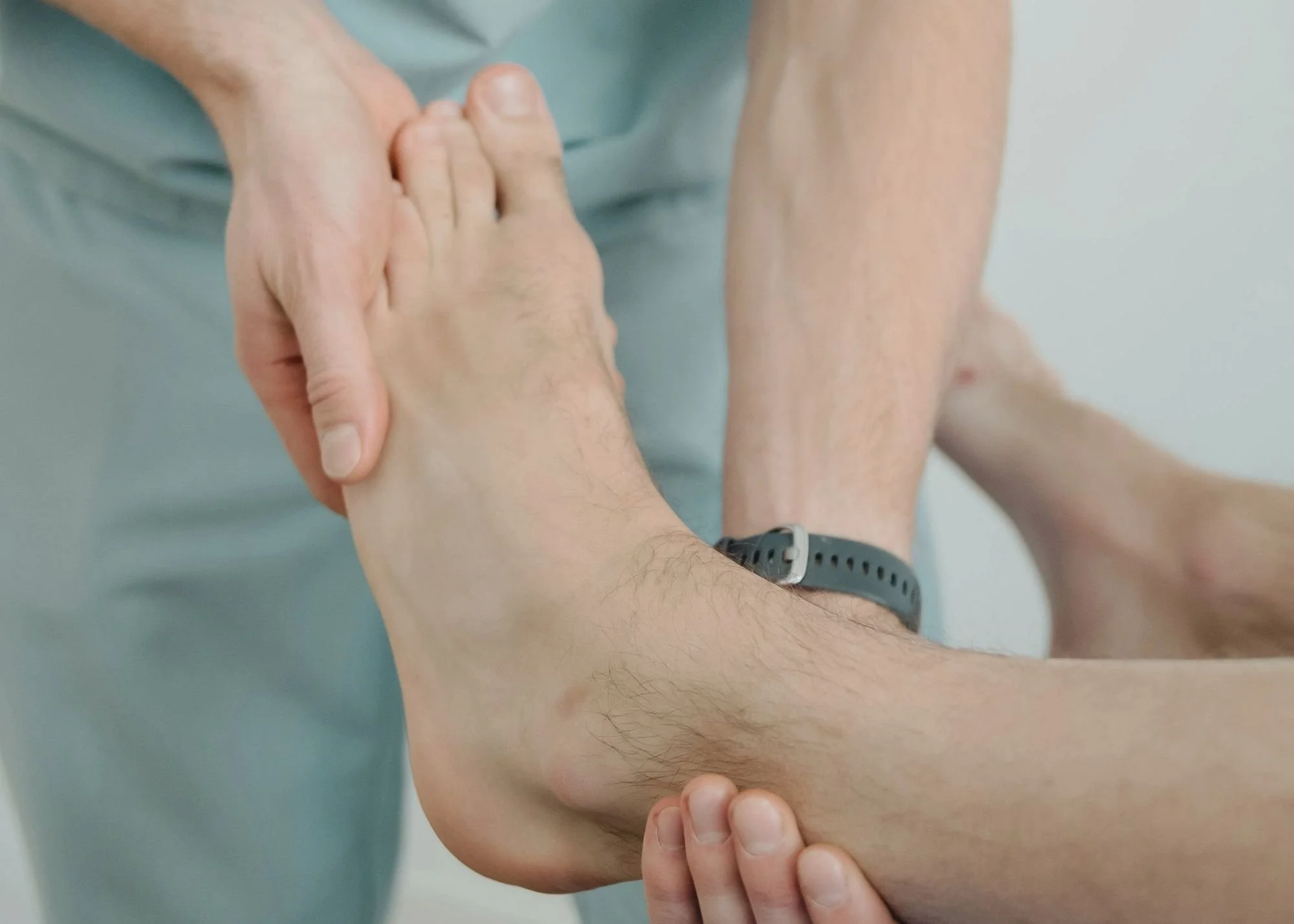
Morton's neuroma is a thickening of the tissue around one of the nerves that runs between the metatarsal bones in the ball of the foot. Despite the name, it's not actually a tumor — "neuroma" in this context refers to a benign enlargement of the nerve and surrounding tissue caused by chronic compression and irritation.
The condition most commonly affects the nerve between the third and fourth toes. Patients describe the sensation in distinctive ways: like walking on a marble, like having a fold in the sock that won't go away, or like an electric shock running through the forefoot. The pain typically worsens in tight shoes and improves dramatically when shoes come off.
COMMON SYMPTOMS WE LOOK FOR
— Burning forefoot pain. Sharp, electric, or burning pain in the ball of the foot, often radiating into the toes.
— Numbness in adjacent toes. Reduced sensation in the toes on either side of the affected nerve.
— "Pebble in the shoe" feeling. A persistent sensation of standing on something that isn't there.
— Worse in tight shoes. Symptoms that intensify with narrow footwear and ease when shoes come off.
How We Treat It
Most cases of Morton's neuroma respond well to conservative care once accurately diagnosed. The first line of treatment focuses on relieving compression: wider toe-box footwear, custom orthotics with metatarsal pads positioned just behind the affected nerve, and activity modification.
Custom orthotics are often the single most impactful intervention. Properly designed orthotics with a metatarsal dome spread the metatarsals and reduce nerve compression with every step — addressing the underlying mechanical issue rather than just masking the symptom.
Treatment that addresses the compression at its source.
For symptoms that haven't responded to conservative care, cortisone injections targeted to the affected nerve provide significant relief. Alcohol sclerosing injections — a series of dilute alcohol injections — chemically reduce the size of the neuroma in selected cases. Regenerative medicine offers another tool for chronic cases.
When non-surgical treatment hasn't been enough, surgical removal of the neuroma is highly effective. Recovery typically involves 4 to 6 weeks before returning to most activities, and most patients experience significant lasting relief.
TREATMENT OPTIONS WE OFFER FORMORTON'S NEUROMA
— Footwear Modification
— Cortisone Injections
— Alcohol Sclerosing Injections
🏆 Best of Mile High 2023
🏆 Best of Mile High 2025
🏆 Best of Mile High 2024
⭐ Nextdoor Neighborhood Fave
Voted Best Podiatrist in the Best of Mile High — three years running.
RECOGNITION
We've been honored to be voted Best Podiatrist in the Best of Mile High in 2023, 2024, and 2025, and we've been named a Neighborhood Fave by Nextdoor. We've also earned a 4.8-star rating from more than 1,300 patients across our two offices. We mention this because we're proud of it — but also because those ratings are built one visit at a time, by real patients who took the time to say something. We don't take that lightly.
how it works
Three steps to walking without pain again.
The path from your first phone call to lasting relief is simpler than most patients expect — and we'll walk you through every part of it.
STEP 1
Call to schedule
Pick the office that's most convenient — Wheat Ridge or Boulder — and call to book. New patients are always welcome, and most insurance plans are accepted.
01
STEP 2
Come in for a thoughtful evaluation
Your first visit is a conversation, not a conveyor belt. We listen to your history, examine what's going on, and use in-office digital X-rays or musculoskeletal ultrasound if we need a closer look.
02
STEP 3
Start a plan built around you
You'll leave understanding your condition, your options, and exactly what the next step looks like. No pressure, no upsell — just steady care.
03
Related Resources
Keep reading from our patient education library.
Advanced Treatment
Regenerative medicine
PRP injections offer an option for chronic neuroma pain that hasn't responded to conservative care.
Blog ·Causes
Burning foot pain: common causes and what to do about it
Burning forefoot pain has many possible causes. Here's how to know whether yours is a neuroma or something else.
Treatment Service
Custom orthotics
Properly designed orthotics with metatarsal pads are the single most impactful long-term treatment for Morton's neuroma.
Blog ·Footwear
Arch support & running shoes: a guide for active Coloradans
Footwear choice can make or break neuroma symptoms. Here's what to look for.
Related Condition
Bunions
Bunions can crowd toes together and contribute to neuroma development. Learn how the conditions interact.
Blog · Deep Dive
Morton's neuroma: why that burning pain in the ball of your foot won't go away
A complete guide to recognizing, diagnosing, and treating this commonly missed condition.
ANSWERS TO COMMON QUESTIONS
What patients ask about neuroma.
-
Morton's neuroma typically feels like burning, tingling, or sharp electric pain in the ball of the foot, often radiating into the toes. Many patients describe a sensation of walking on a marble or having a fold of fabric in the sock that won't go away. Symptoms typically worsen in tight shoes and ease when shoes come off.
The pain pattern is often distinctive enough that the diagnosis can be made through clinical examination alone. Mulder's click — a palpable click when compressing the metatarsals while pressing on the involved interspace — is a classic finding. Numbness in the toes on either side of the affected interspace also points toward neuroma rather than other forefoot pain causes.
-
No — Morton's neuroma typically doesn't resolve without treatment. The thickened nerve tissue and underlying compression require active intervention. The good news is that most cases respond well to conservative treatment, and surgical removal is rarely necessary.
Without treatment, the neuroma typically progresses over time — symptoms become more frequent, more intense, and harder to ignore. Earlier intervention produces dramatically better outcomes. Patients who address the condition in its early stages often resolve symptoms with footwear changes and custom orthotics alone, while those who wait years often need injections or surgical treatment.
-
Usually not. Most cases of Morton's neuroma respond well to conservative treatment, including footwear changes, custom orthotics with metatarsal pads, cortisone injections, and alcohol sclerosing injections. Surgery is reserved for cases that haven't responded to comprehensive conservative care.
When surgery is genuinely the right answer, surgical removal of the neuroma (neurectomy) is highly effective. Recovery typically involves 4 to 6 weeks before returning to most activities. Most patients experience significant lasting relief after surgery, though some develop a permanent area of numbness in the toes that's usually well-tolerated. Our surgical team evaluates honestly and doesn't recommend surgery until conservative options have been thoroughly exhausted.
-
The best shoes for Morton's neuroma have a wide toe box, low to moderate heel height, soft cushioning under the ball of the foot, and adequate volume to accommodate orthotics. Avoid narrow, pointed-toe shoes, high heels, and minimalist footwear that compress the metatarsals.
Wide toe boxes are critical because they reduce side-to-side compression of the metatarsals — the underlying mechanical issue driving neuroma pain. Many patients see significant improvement just from switching to better-fitting footwear. For active patients, athletic shoes designed for wider feet provide both performance and neuroma relief. Our team can recommend specific brands and styles during your evaluation.
-
Yes, most major insurance plans cover Morton's neuroma evaluation and treatment, including office visits, imaging, injections, and surgery when necessary. Table Mountain Foot & Ankle accepts most major insurance plans, Medicare, and workers' compensation.
Specific coverage varies by plan. Custom orthotics may be partially covered depending on your plan and diagnosis. Cortisone injections are typically covered. Surgery is generally covered when conservative care has been exhausted and the condition is significantly affecting daily life. Our front office team verifies your specific benefits before your appointment.

READY WHEN YOU ARE
Call to schedule your visit.
We see patients from across the Denver metro area at our Wheat Ridge and Boulder offices. Both locations are accepting new patients, and both offer free parking. Call whichever office is most convenient — we'll take it from there.