
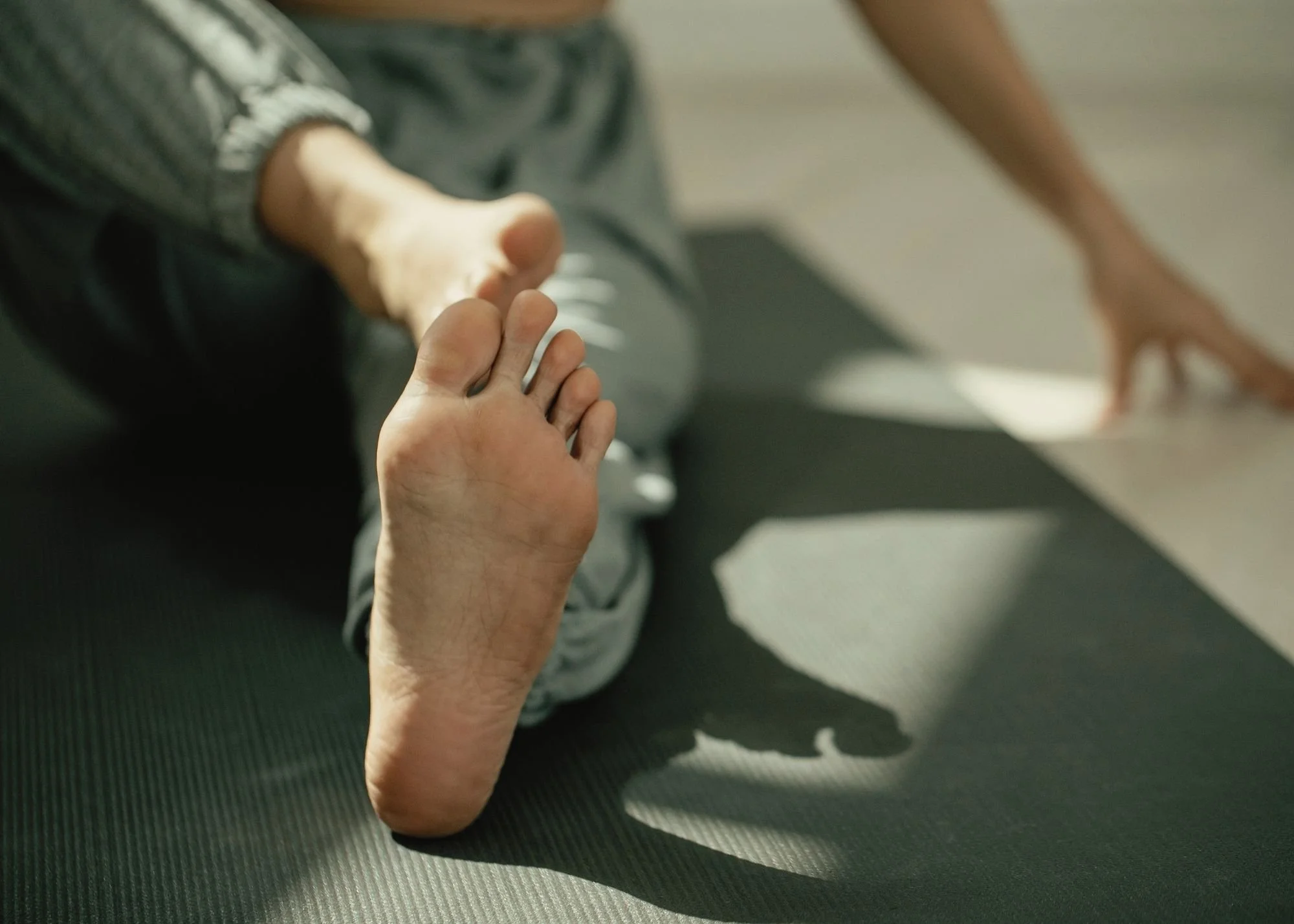
Conditions ·Arch / Flat Feet
Flat feet aren't just a foot issue. They're a whole-body issue.
Flat feet and fallen arches affect 20 to 30 percent of adults — and while many function fine, others develop progressive pain, knee and hip strain, and gait changes that ripple through the body. Knowing whether your arches need attention is one of the most useful diagnoses in podiatry.
Wheat Ridge
⛰
Boulder
⛰
Arvada
⛰
Lakewood
⛰
Golden
⛰
Edgewater
⛰
Louisville
⛰
Lafayette
⛰
Superior
⛰
Broomfield
⛰
Erie
⛰
Longmont
⛰
Wheat Ridge ⛰ Boulder ⛰ Arvada ⛰ Lakewood ⛰ Golden ⛰ Edgewater ⛰ Louisville ⛰ Lafayette ⛰ Superior ⛰ Broomfield ⛰ Erie ⛰ Longmont ⛰
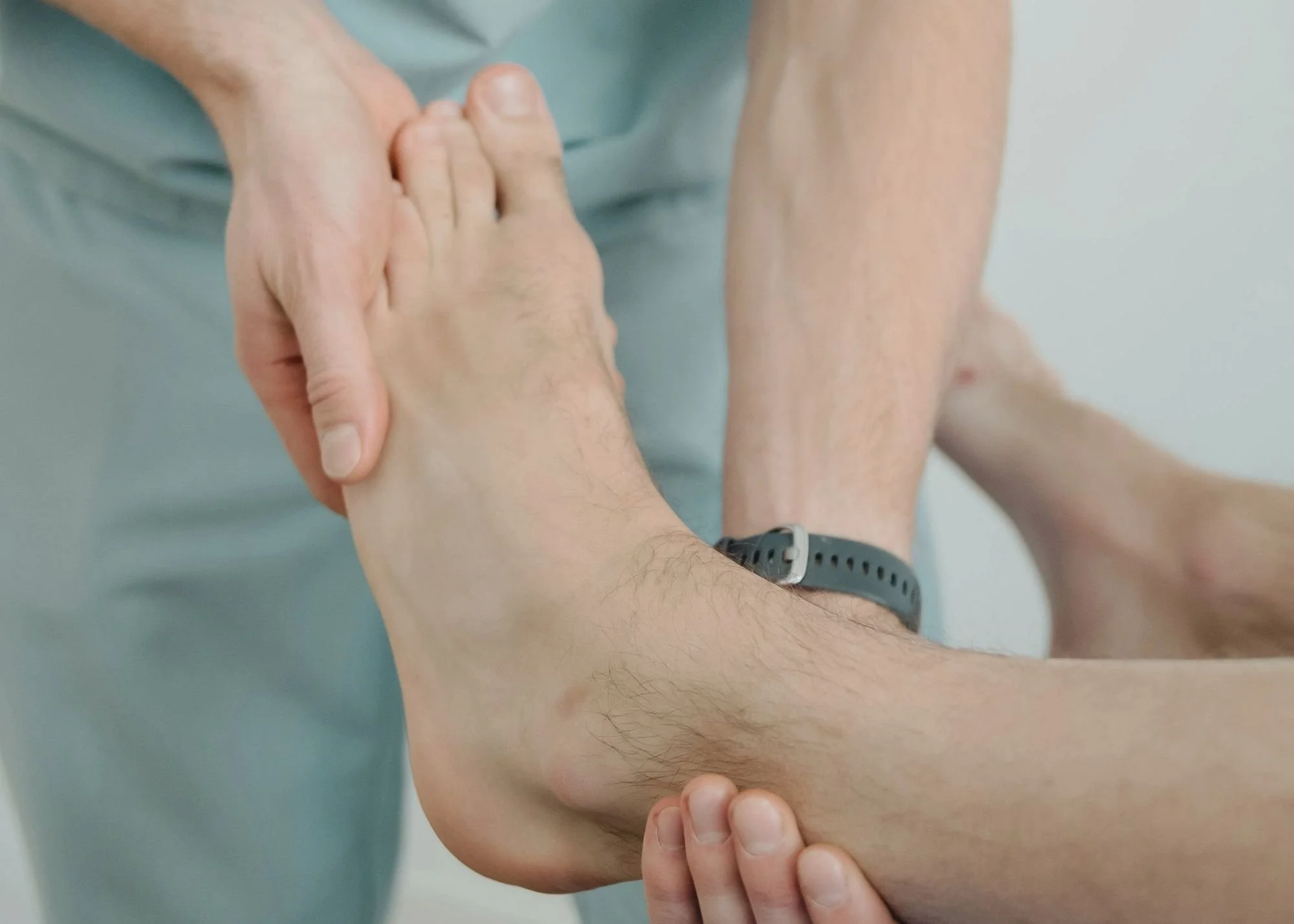
THE PROBLEM
Flat feet aren't a flaw. They're a structural variation.
A normal foot has a visible arch on the inside that doesn't touch the ground when you stand. The arch is a dynamic spring system that absorbs shock and propels you forward with every step. In flat feet, also called pes planus, that arch has either failed to develop normally or has collapsed over time.
Flexible flat feet — where the arch appears when you stand on tiptoe but flattens with weight-bearing — are the most common type and often cause no problems. Rigid flat feet, adult-acquired flatfoot deformity, and posterior tibial tendon dysfunction are different stories: they're progressive, often painful, and benefit from early intervention before significant deformity develops.
COMMON SYMPTOMS WE LOOK FOR
— Pain along the inner ankle. Aching or sharp pain on the inside of the ankle or arch, especially with activity.
— Tired, achy feet. Significant foot fatigue at the end of the day, especially after standing or walking.
— Difficulty on tiptoe. Trouble standing on tiptoe — a sign of posterior tibial tendon weakness.
— Knee, hip, or back pain. Compensatory pain higher in the body from altered gait mechanics.
How We Treat It
Most symptomatic flat feet respond well to conservative care: custom orthotics designed for your specific arch and gait, supportive footwear, calf and Achilles stretching, posterior tibial tendon strengthening, and activity modification.
Custom orthotics are often the single most impactful intervention. Properly designed orthotics provide arch support, control overpronation, and reduce strain on the overworked tendons trying to compensate for the collapse.
Treatment that addresses both the arch and the cause.
For active patients, our sports medicine approach integrates arch support with training adjustments — Boulder runners and Front Range hikers benefit especially from biomechanical correction that addresses gait patterns aggravated by long miles on uneven terrain.
When conservative care isn't enough, particularly for severe adult-acquired flatfoot deformity, surgical reconstruction can restore the arch and address the underlying tendon damage. We evaluate honestly and recommend the path that produces the best long-term outcome.
TREATMENT OPTIONS WE OFFER FOR FLAT FEET
— Posterior Tibial Tendon Therapy
— Bracing & AFOs

🏆 Best of Mile High 2023
🏆 Best of Mile High 2025
🏆 Best of Mile High 2024
⭐ Nextdoor Neighborhood Fave
Voted Best Podiatrist in the Best of Mile High — three years running.
RECOGNITION
We've been honored to be voted Best Podiatrist in the Best of Mile High in 2023, 2024, and 2025, and we've been named a Neighborhood Fave by Nextdoor. We've also earned a 4.8-star rating from more than 1,300 patients across our two offices. We mention this because we're proud of it — but also because those ratings are built one visit at a time, by real patients who took the time to say something. We don't take that lightly.
how it works
Three steps to walking without pain again.
The path from your first phone call to lasting relief is simpler than most patients expect — and we'll walk you through every part of it.
STEP 1
Call to schedule
Pick the office that's most convenient — Wheat Ridge or Boulder — and call to book. New patients are always welcome, and most insurance plans are accepted.
01
STEP 2
Come in for a thoughtful evaluation
Your first visit is a conversation, not a conveyor belt. We listen to your history, examine what's going on, and use in-office digital X-rays or musculoskeletal ultrasound if we need a closer look.
02
STEP 3
Start a plan built around you
You'll leave understanding your condition, your options, and exactly what the next step looks like. No pressure, no upsell — just steady care.
03
Related Resources
Keep reading from our patient education library.
Advanced Treatment
Regenerative medicine
For posterior tibial tendon dysfunction, regenerative therapies accelerate healing in chronic cases.
Blog · Footwear
Arch support & running shoes: a guide for active Coloradans
How to choose running shoes that match your arch type — and when custom orthotics outperform stock support.
Treatment Service
Custom orthotics
The single most impactful long-term treatment for symptomatic flat feet and fallen arches.
Blog · Self-Care
Foot exercises for strong, pain-free feet
Strengthening movements that support the arch and reduce strain on the posterior tibial tendon.
Related Condition
Plantar fasciitis
Flat feet are one of the leading contributors to plantar fasciitis. Learn how the two conditions interact.
Blog · Deep Dive
Flat feet (fallen arches): when pes planus becomes a problem
A complete guide to flat feet — flexible vs rigid, when treatment is warranted, and what works.
ANSWERS TO COMMON QUESTIONS
What patients ask about arch / flat feet.
-
No — many people with flat feet function perfectly well without symptoms or limitations. Flat feet only become a problem when they cause pain, fatigue, gait changes, or progressive deformity that affects activities. Treatment is reserved for symptomatic cases.
Flexible flat feet — where the arch appears when you stand on tiptoe but flattens during weight-bearing — are the most common type and rarely require active treatment. Rigid flat feet and adult-acquired flatfoot deformity are different stories. The latter is progressive and often benefits significantly from early intervention before more serious deformity develops. If your flat feet aren't bothering you, they probably don't need treatment.
-
The best treatment for symptomatic flat feet is typically a combination of custom orthotics, supportive footwear, calf stretching, posterior tibial tendon strengthening, and activity modification. Most patients see meaningful improvement within weeks of starting the right combination.
Custom orthotics designed specifically for your foot mechanics are often the single most impactful intervention. Off-the-shelf insoles rarely provide the targeted support that symptomatic flat feet need. For active patients, sports medicine coordination addresses how the arch interacts with running form, hiking demands, or other activity-specific stresses. Surgical reconstruction is reserved for severe cases that haven't responded to conservative care.
-
Yes — most symptomatic flat feet respond well to conservative treatment, including custom orthotics, physical therapy, supportive footwear, and addressing contributing factors like tight calves and weak hip stabilizers. Surgery is reserved for severe deformity that hasn't responded to conservative care.
The goal of conservative treatment isn't to physically reshape the arch — it's to support the existing structure, reduce strain on the tendons trying to compensate, and prevent progression. Most patients can avoid surgery indefinitely with the right combination of orthotics and ongoing care. When surgical reconstruction does become necessary, modern procedures produce excellent outcomes.
-
See a podiatrist if you're experiencing foot, ankle, knee, hip, or back pain related to your flat feet, if you've noticed your arches collapsing over time, if standing on tiptoe is becoming difficult, if you're getting recurrent ankle sprains, or if your foot shape is changing visibly.
Adult-acquired flatfoot deformity is progressive — what starts as mild posterior tibial tendon weakness can become significant deformity over years if left untreated. Earlier intervention preserves more options and produces better outcomes. If you've been adapting to flat-foot pain by changing your activities or your gait, that's worth a conversation.
-
Yes, most major insurance plans cover flat foot evaluation and treatment, including office visits, imaging, and many treatment options. Custom orthotics may be partially covered depending on your plan and diagnosis. Table Mountain Foot & Ankle accepts most major insurance plans, Medicare, and workers' compensation.
Coverage for custom orthotics specifically varies by plan — some cover them fully when prescribed for specific medical conditions, others provide partial coverage, and some don't cover them at all. HSA and FSA accounts can be used for orthotics in most cases. Our front office team verifies your specific benefits before your appointment.

READY WHEN YOU ARE
Call to schedule your visit.
We see patients from across the Denver metro area at our Wheat Ridge and Boulder offices. Both locations are accepting new patients, and both offer free parking. Call whichever office is most convenient — we'll take it from there.