
services · foot and ankle surgery
Surgery is sometimes the answer. It's never the first answer.
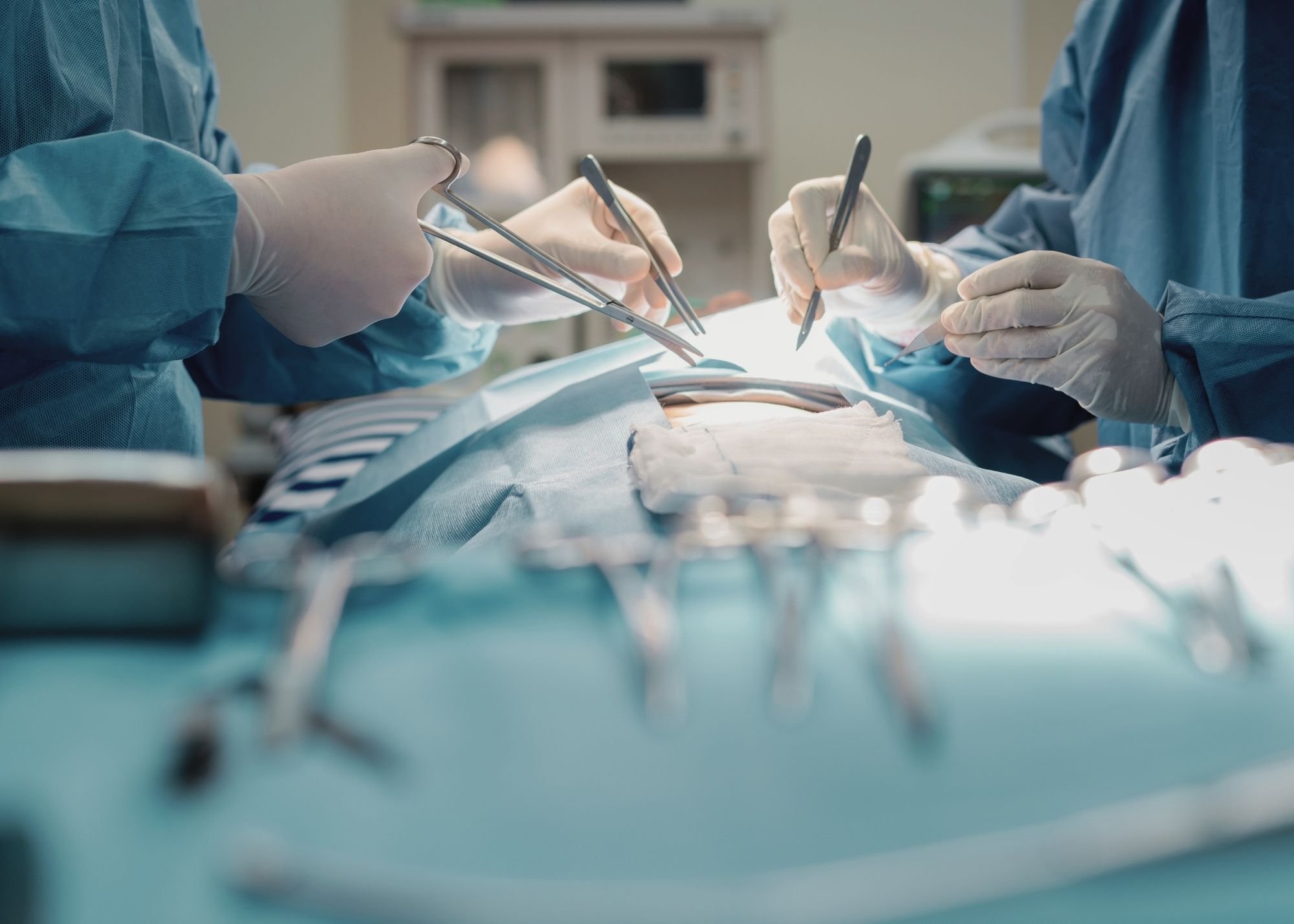
When conservative care isn't enough, modern foot and ankle surgery offers excellent outcomes for the right patients. From bunion correction to fracture fixation to complex reconstruction, our surgical team performs the full range of procedures with the same philosophy: surgery should fix the actual problem, restore function, and improve quality of life.
Wheat Ridge
⛰
Boulder
⛰
Arvada
⛰
Lakewood
⛰
Golden
⛰
Edgewater
⛰
Louisville
⛰
Lafayette
⛰
Superior
⛰
Broomfield
⛰
Erie
⛰
Longmont
⛰
Wheat Ridge ⛰ Boulder ⛰ Arvada ⛰ Lakewood ⛰ Golden ⛰ Edgewater ⛰ Louisville ⛰ Lafayette ⛰ Superior ⛰ Broomfield ⛰ Erie ⛰ Longmont ⛰
About This Service
What foot and ankle surgery actually involves.
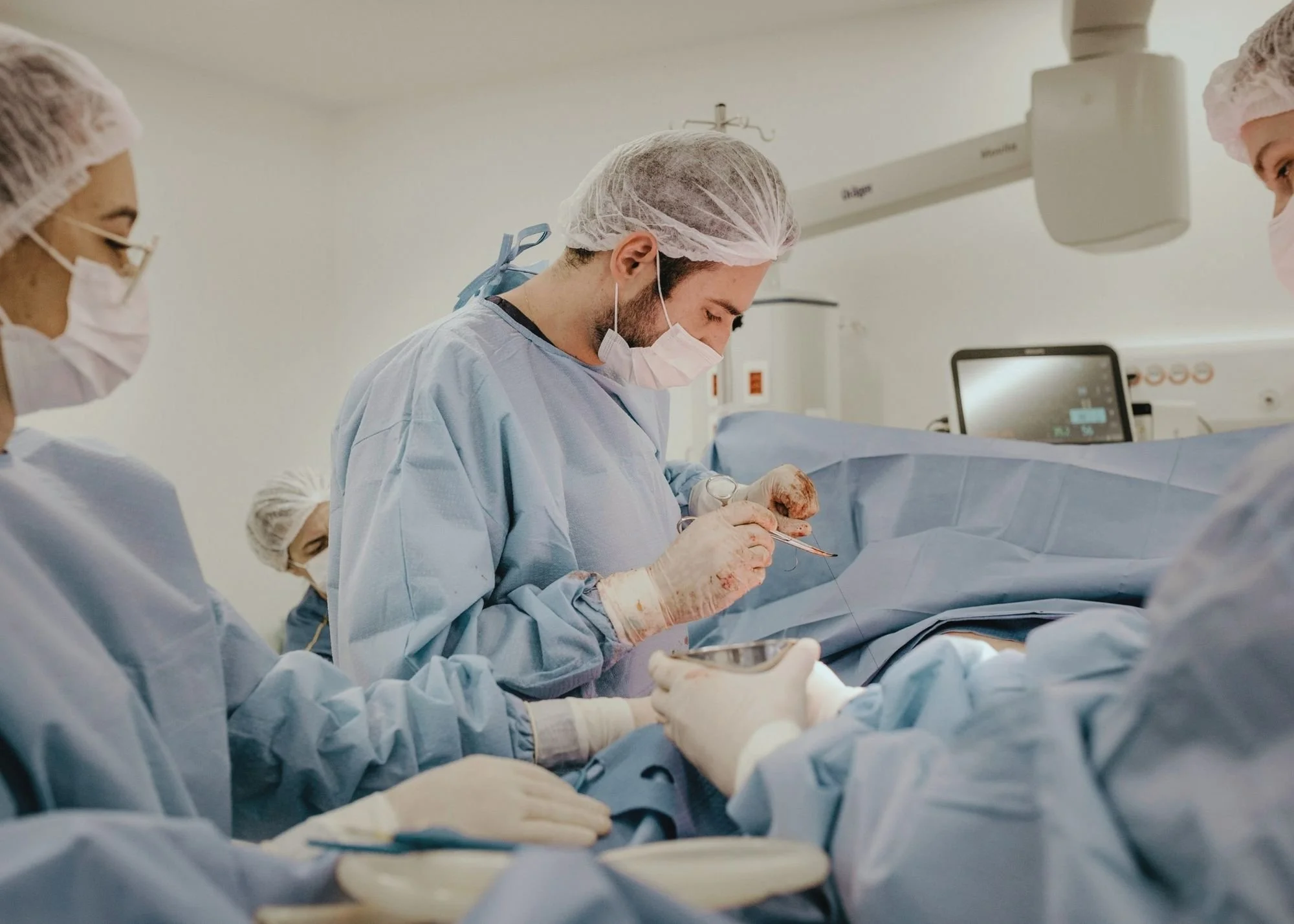
Podiatric surgery covers a wide range of procedures performed on the foot and ankle, from minor outpatient procedures (ingrown toenail correction) to complex reconstruction (severe deformity correction). Most procedures are performed in outpatient settings under local, regional, or general anesthesia depending on the specific surgery.
Modern foot and ankle surgery has advanced significantly. Minimally invasive techniques reduce recovery time for many procedures. Advanced fixation hardware allows earlier weight-bearing after fractures. Three-dimensional bunion correction (Lapiplasty®) produces dramatically better long-term outcomes than traditional procedures. Patients who needed open surgery a decade ago often have less invasive options now.
WHAT'S INCLUDED IN THIS SERVICE
— Pre-surgical evaluation. Thorough assessment to confirm surgery is the right answer and to plan the specific approach.
— The surgical procedure. Performed in outpatient surgical centers or hospitals depending on complexity, by board-certified podiatric surgeons.
— Pain management and recovery. Comprehensive post-operative care including pain control, activity restrictions, and recovery monitoring.
— Long-term follow-up. Coordinated care through every recovery milestone — ensuring the surgical correction holds and patients return to full function.
Who This Is For
Built for patients ready for surgical correction.
Most patients we treat surgically come in after months or years of conservative care that hasn't been enough. The decision to move forward with surgery is rarely impulsive — it follows from careful evaluation, exhausted conservative options, and a realistic conversation about what surgery can and can't accomplish.
Common surgical procedures include bunion correction (including advanced Lapiplasty 3D correction), hammertoe correction, ingrown toenail matrix ablation, fracture fixation, ankle stabilization for chronic instability, plantar fascia release for severe chronic plantar fasciitis, and reconstructive procedures for complex deformities.
For active patients, surgical decisions account for return-to-activity goals. Boulder runners, Front Range hikers, and recreational athletes benefit from procedures designed to restore the function they care about most. Our sports medicine integration ensures recovery plans match athletic timelines.
We don't recommend surgery as a first option. Most patients with foot and ankle problems benefit from conservative care, advanced therapies, and biomechanical interventions before surgery is ever considered. When surgery is genuinely the right answer, we explain why, walk you through the specific procedure, and set realistic expectations for outcomes and recovery.
CONDITIONS AND CONCERNS WE ADDRESS
— Reconstructive Surgery

Voted Best Podiatrist in the Best of Mile High — three years running.
RECOGNITION
We've been honored to be voted Best Podiatrist in the Best of Mile High in 2023, 2024, and 2025, and we've been named a Neighborhood Fave by Nextdoor. We've also earned a 4.8-star rating from more than 1,300 patients across our two offices. We mention this because we're proud of it — but also because those ratings are built one visit at a time, by real patients who took the time to say something. We don't take that lightly.
🏆 Best of Mile High 2023
🏆 Best of Mile High 2024
🏆 Best of Mile High 2025
⭐ Nextdoor Neighborhood Fave
how it works
Three steps to walking without pain again.
The path from your first phone call to lasting relief is simpler than most patients expect — and we'll walk you through every part of it.
STEP 1
Call to schedule
Pick the office that's most convenient — Wheat Ridge or Boulder — and call to book. New patients are always welcome, and most insurance plans are accepted.
01
STEP 2
Come in for a thoughtful evaluation
Your first visit is a conversation, not a conveyor belt. We listen to your history, examine what's going on, and use in-office digital X-rays or musculoskeletal ultrasound if we need a closer look.
02
STEP 3
Start a plan built around you
You'll leave understanding your condition, your options, and exactly what the next step looks like. No pressure, no upsell — just steady care.
03
Related Resources
Keep reading from our patient education library.
Related condition
Foot & ankle fractures
Surgical fixation for displaced or unstable fractures, performed by our board-certified surgical team.
Blog · specific
Bunion treatment options: from conservative care to Lapiplasty
The full spectrum of bunion treatments and when surgical correction becomes the right answer.
Advanced Treatment
Lapiplasty
The 3D approach to bunion correction with significantly lower recurrence rates than traditional surgery. Faster recovery, more durable results.
Blog · recovery
Foot and ankle fractures: broken ankles, broken toes, and what to do
When fracture surgery is necessary and what recovery involves.
Related service
Sports medicine
Surgical decisions for athletes account for return-to-activity goals and sport-specific demands.
Blog · Deep dive
Foot & ankle surgery: when it's the right choice and what to expect
An honest look at when surgery makes sense, common procedures, and what realistic recovery actually looks like.
ANSWERS TO COMMON QUESTIONS
What patients ask about foot & ankle surgery.
-
Recovery times vary dramatically by procedure. Minor procedures like ingrown toenail correction recover in 1 to 2 weeks. Bunion surgery typically requires 6 to 8 weeks before normal shoes and 4 to 6 months for full athletic activity. Complex reconstruction or fracture surgery can require 6 to 12 months for complete recovery.
The biggest factors in recovery time are the specific procedure, patient compliance with post-op restrictions, and individual healing factors. Patients who follow the rehabilitation protocol heal predictably; those who push back to activity too quickly often compromise the surgical correction. We provide detailed recovery plans before surgery so patients know what to expect at every milestone.
-
Podiatric surgeons (DPMs) specialize specifically in foot and ankle surgery throughout their training. Orthopedic surgeons (MDs) are general surgeons who may sub-specialize in foot and ankle. Both can be excellent options for foot and ankle surgery — board certification, surgical volume in your specific procedure, and outcomes matter more than the degree.
For most foot and ankle conditions, podiatric surgeons provide comprehensive care because they specialize exclusively in this anatomy. They typically perform higher volumes of foot and ankle procedures than non-specialized orthopedic surgeons. For complex cases involving the lower leg or for procedures requiring specialized orthopedic equipment, orthopedic foot and ankle specialists may be the better choice. Our team coordinates with orthopedic colleagues when complex cases warrant it.
-
Most major insurance plans cover medically necessary foot and ankle surgery, including bunion correction (when causing pain or functional limitations), hammertoe correction, fracture fixation, and reconstructive procedures. Cosmetic-only foot surgery is generally not covered. Pre-authorization is typically required.
Coverage details vary significantly by plan. Bunion surgery is covered when pain and functional impact are documented, but cosmetic-only correction isn't. Custom orthotics for post-surgical management may have separate coverage rules. Our front office team handles pre-authorization and verifies your specific benefits before surgery. We work with most major insurance plans, Medicare, and workers' compensation.
-
Most foot conditions don't require surgery — conservative care including custom orthotics, footwear modification, physical therapy, injections, and advanced therapies resolve the majority of cases. Surgery is reserved for situations where conservative care has been exhausted and the condition significantly affects daily life, or for specific conditions where surgery is the only effective treatment.
For most patients, the question isn't "surgery vs no surgery" but "how thoroughly have I exhausted conservative options first." Patients who come in seeking surgery often turn out to do well on a refined conservative plan they hadn't fully tried. Patients who come in convinced they want to avoid surgery sometimes turn out to be excellent surgical candidates who would significantly improve their quality of life with the right procedure. Honest evaluation is the foundation of either path.
-
A surgical consultation typically includes a complete history and physical examination, review of any prior imaging or treatment, often new imaging studies, a detailed conversation about whether surgery is the right answer, and if so, the specific procedure recommended. Plan to spend 45 to 60 minutes for the consultation.
We approach surgical consultations as detailed conversations rather than quick visits. You should leave understanding the specific procedure being considered, realistic outcomes, the recovery timeline, the risks and alternatives, and have your questions answered thoroughly. If you don't feel adequately informed after a consultation, that's a sign you need more information before proceeding. We never pressure patients toward surgery on the same day as the consultation.

READY WHEN YOU ARE
Call to schedule your visit.
We see patients from across the Denver metro area at our Wheat Ridge and Boulder offices. Both locations are accepting new patients, and both offer free parking. Call whichever office is most convenient — we'll take it from there.