
services · fungal toenails
Toenail fungus is treatable. The right plan depends on the case.
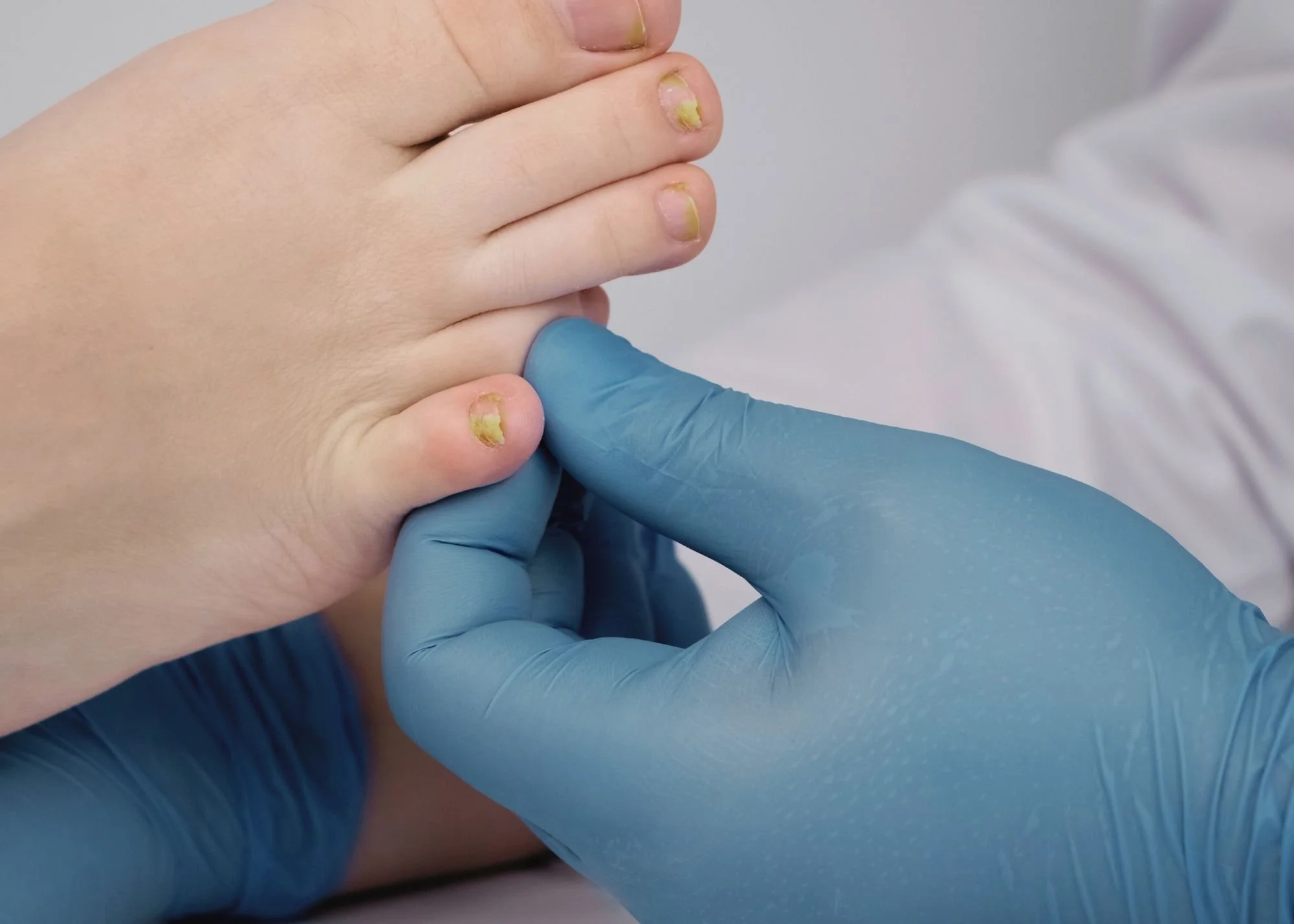
Fungal toenails (onychomycosis) affect roughly 10 percent of adults and become dramatically more common with age. Effective treatment is absolutely possible — but it requires the right diagnosis, the right medication or treatment for your specific case, and patience for the slow process of growing out a healthy nail.
Wheat Ridge
⛰
Boulder
⛰
Arvada
⛰
Lakewood
⛰
Golden
⛰
Edgewater
⛰
Louisville
⛰
Lafayette
⛰
Superior
⛰
Broomfield
⛰
Erie
⛰
Longmont
⛰
Wheat Ridge ⛰ Boulder ⛰ Arvada ⛰ Lakewood ⛰ Golden ⛰ Edgewater ⛰ Louisville ⛰ Lafayette ⛰ Superior ⛰ Broomfield ⛰ Erie ⛰ Longmont ⛰
About This Service
What fungal toenail care actually involves.
Toenail fungus is a slow-developing infection caused primarily by dermatophyte fungi — the same family that causes athlete's foot. The fungus invades the nail bed and matrix, gradually thickening, discoloring, and distorting the nail over months or years. Without treatment, fungal nails progress and often spread to other nails or skin.
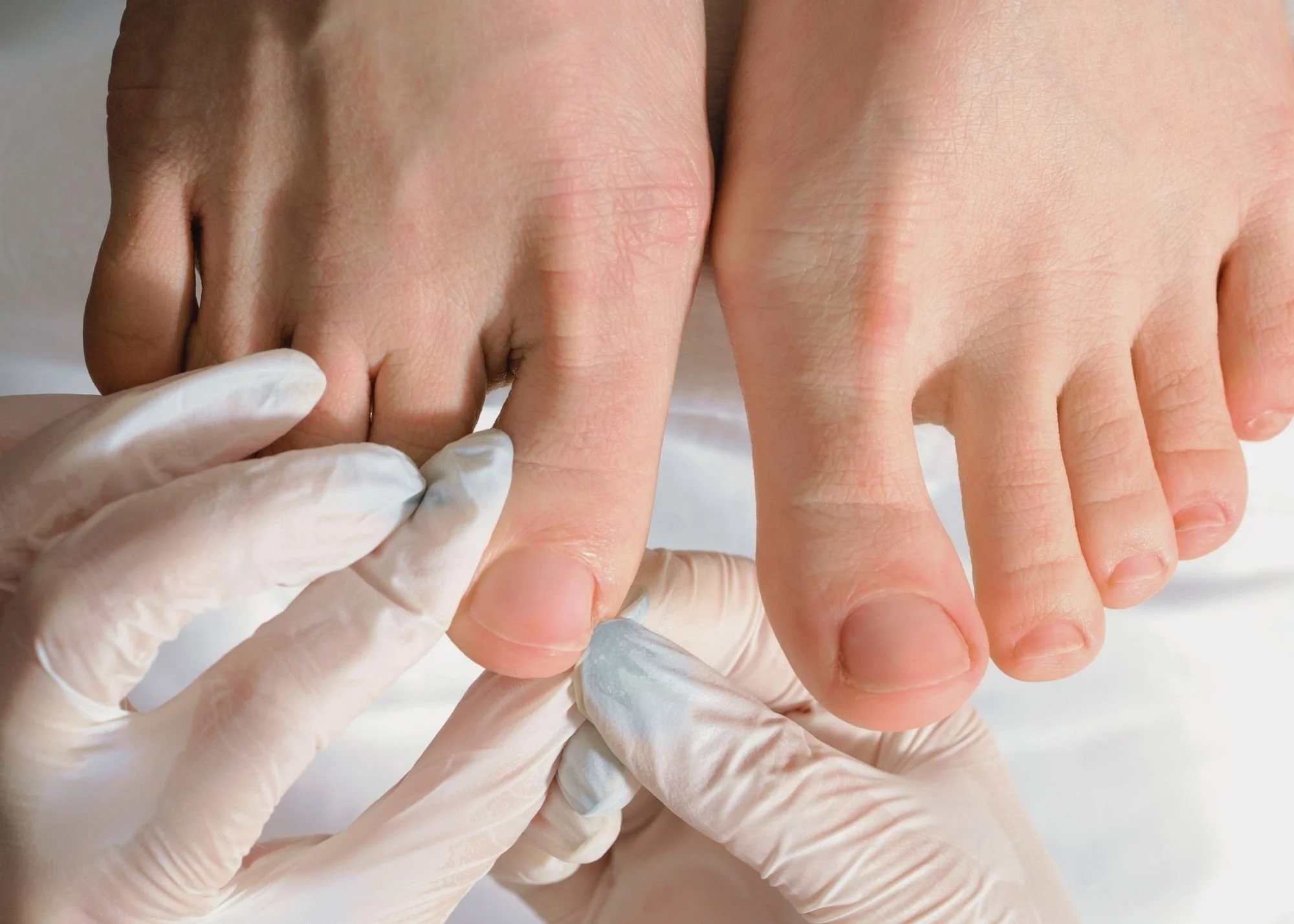
Effective treatment requires confirming the actual cause. Many "fungal nails" turn out to be trauma damage, psoriasis affecting the nails, or other conditions that look similar but require entirely different treatment. KOH testing or fungal culture confirms the diagnosis before treatment begins — preventing months of unnecessary antifungal medication.
WHAT'S INCLUDED IN THIS SERVICE
— Confirmed diagnosis. KOH testing or fungal culture to verify the infection and identify the specific organism.
— Treatment selection. Topical, oral, or laser therapy matched to your specific case, severity, and overall health.
— Nail debridement. Professional thinning of thickened, distorted nails to improve treatment effectiveness.
— Follow-up monitoring. Ongoing visits to track treatment response and adjust the plan as the new healthy nail grows in.
Who This Is For
Built for the patients ready to actually treat it.
Most patients with fungal toenails have lived with them for years — they're embarrassing rather than painful, and previous treatment attempts (drugstore solutions, over-the-counter creams) didn't produce visible improvement. The reality is that effective fungal nail treatment exists, but it's a multi-month process that requires the right approach.
Oral antifungal medications are the most effective treatment for moderate to severe cases. Modern oral antifungals are well-tolerated for most patients, with treatment courses of 3 months for toenails. The new healthy nail then needs 9 to 12 months to fully grow in, replacing the affected nail.
Topical antifungals work for mild cases or surface-level infections, though their effectiveness against established fungal nails is limited. Laser therapy provides an option for patients who can't take oral medications, those who prefer non-systemic treatment, or those with mild to moderate cases.
For diabetic patients, fungal toenails warrant particular attention. The thickened, distorted nails create pressure points that can lead to skin breakdown, ulceration, and serious complications. Treatment protects foot health beyond just appearance.
CONDITIONS AND CONCERNS WE ADDRESS
— Oral Antifungal Medication
— Prescription Topical Antifungals

Voted Best Podiatrist in the Best of Mile High — three years running.
RECOGNITION
We've been honored to be voted Best Podiatrist in the Best of Mile High in 2023, 2024, and 2025, and we've been named a Neighborhood Fave by Nextdoor. We've also earned a 4.8-star rating from more than 1,300 patients across our two offices. We mention this because we're proud of it — but also because those ratings are built one visit at a time, by real patients who took the time to say something. We don't take that lightly.
🏆 Best of Mile High 2023
🏆 Best of Mile High 2024
🏆 Best of Mile High 2025
⭐ Nextdoor Neighborhood Fave
how it works
Three steps to walking without pain again.
The path from your first phone call to lasting relief is simpler than most patients expect — and we'll walk you through every part of it.
STEP 1
Call to schedule
Pick the office that's most convenient — Wheat Ridge or Boulder — and call to book. New patients are always welcome, and most insurance plans are accepted.
01
STEP 2
Come in for a thoughtful evaluation
Your first visit is a conversation, not a conveyor belt. We listen to your history, examine what's going on, and use in-office digital X-rays or musculoskeletal ultrasound if we need a closer look.
02
STEP 3
Start a plan built around you
You'll leave understanding your condition, your options, and exactly what the next step looks like. No pressure, no upsell — just steady care.
03
Related Resources
Keep reading from our patient education library.
Diabetic Care
Diabetic foot care
For diabetic patients, fungal toenails create pressure points that warrant proactive treatment to prevent complications.
Blog · Footwear
Arch support & running shoes: a guide for active Coloradans
Sweaty athletic footwear is a leading factor in fungal nail development.
Advanced Treatment
Laser therapy for nails
An effective non-systemic option for fungal nails — particularly valuable for patients who can't take oral antifungals.
Blog · Self-Care
Foot exercises for strong, pain-free feet
Daily foot care habits that prevent skin and nail issues.
Related service
Athlete's foot
Athlete's foot and fungal toenails frequently coexist. Treating both together prevents reinfection.
Blog · Diabetic
Diabetic foot care: why it's different and what to watch for
Why fungal nails require special attention in diabetic patients.
ANSWERS TO COMMON QUESTIONS
What patients ask about fungal toenails.
-
Visible improvement in fungal toenails takes 9 to 12 months because the existing affected nail must grow out completely. Treatment with oral antifungals typically takes 3 months for toenails. Laser therapy involves multiple sessions over 4 to 6 months. The new healthy nail grows in slowly behind the treated portion.
This is one of the most important things for patients to understand before starting treatment. The slow growth of toenails means there's no quick fix — even highly effective treatments require patience to see results. The upside is that with consistent treatment, most fungal nails can be successfully cleared. The downside is that anyone promising fast results is overpromising. We're realistic about timelines from the start.
-
Oral antifungal medications are generally the most effective treatment for moderate to severe fungal toenails, with success rates around 60 to 70 percent. Laser therapy and prescription topical antifungals offer additional options, particularly for patients who can't take oral medications or have milder cases. The right treatment depends on case severity and overall health.
Modern oral antifungals are well-tolerated for most patients, but they're not appropriate for everyone — patients with significant liver disease or those taking certain medications need alternative approaches. Laser therapy provides an effective non-systemic option in those cases. We match the treatment to the patient rather than defaulting to one approach for everyone.
-
Most over-the-counter fungal nail treatments are limited in effectiveness against established toenail infections. They penetrate the nail plate poorly and rarely reach the nail bed where the active infection lives. They may help with mild surface-level infections but typically aren't adequate for moderate to severe cases.
Patients who have used drugstore solutions for months or years without visible improvement aren't doing anything wrong — the products simply aren't strong enough to penetrate effectively. Prescription topical antifungals (specifically efinaconazole) achieve significantly better penetration than over-the-counter products. For confirmed moderate to severe cases, oral medications or laser therapy typically produce better outcomes.
-
Yes — recurrence rates after fungal nail treatment range from 20 to 50 percent depending on the treatment used and patient risk factors. Recurrence is more common in patients with concurrent athlete's foot, those who don't address contributing factors like sweaty footwear, and patients with compromised immune systems.
Effective long-term prevention includes treating concurrent athlete's foot, addressing sources of foot moisture, replacing or treating shoes that may be reservoirs for fungal spores, keeping nails trimmed properly, and prompt treatment of any new infections that develop. Some patients with strong recurrence patterns benefit from periodic prophylactic topical antifungals to maintain their results.
-
Insurance coverage varies. Diagnostic testing and oral antifungal prescriptions are typically covered. Laser therapy is often considered cosmetic and not covered. Topical antifungal prescriptions are usually covered by prescription drug plans. Table Mountain Foot & Ankle accepts most major insurance plans, Medicare, and workers' compensation.
Coverage for nail debridement varies based on whether it's medically necessary or considered routine care. For diabetic patients and those with peripheral vascular disease, debridement is typically covered. Our front office team verifies your specific benefits before treatment so there are no surprises about what's covered and what isn't.

READY WHEN YOU ARE
Call to schedule your visit.
We see patients from across the Denver metro area at our Wheat Ridge and Boulder offices. Both locations are accepting new patients, and both offer free parking. Call whichever office is most convenient — we'll take it from there.