Arch Support and Running Shoes: A Complete Guide for Active Coloradans
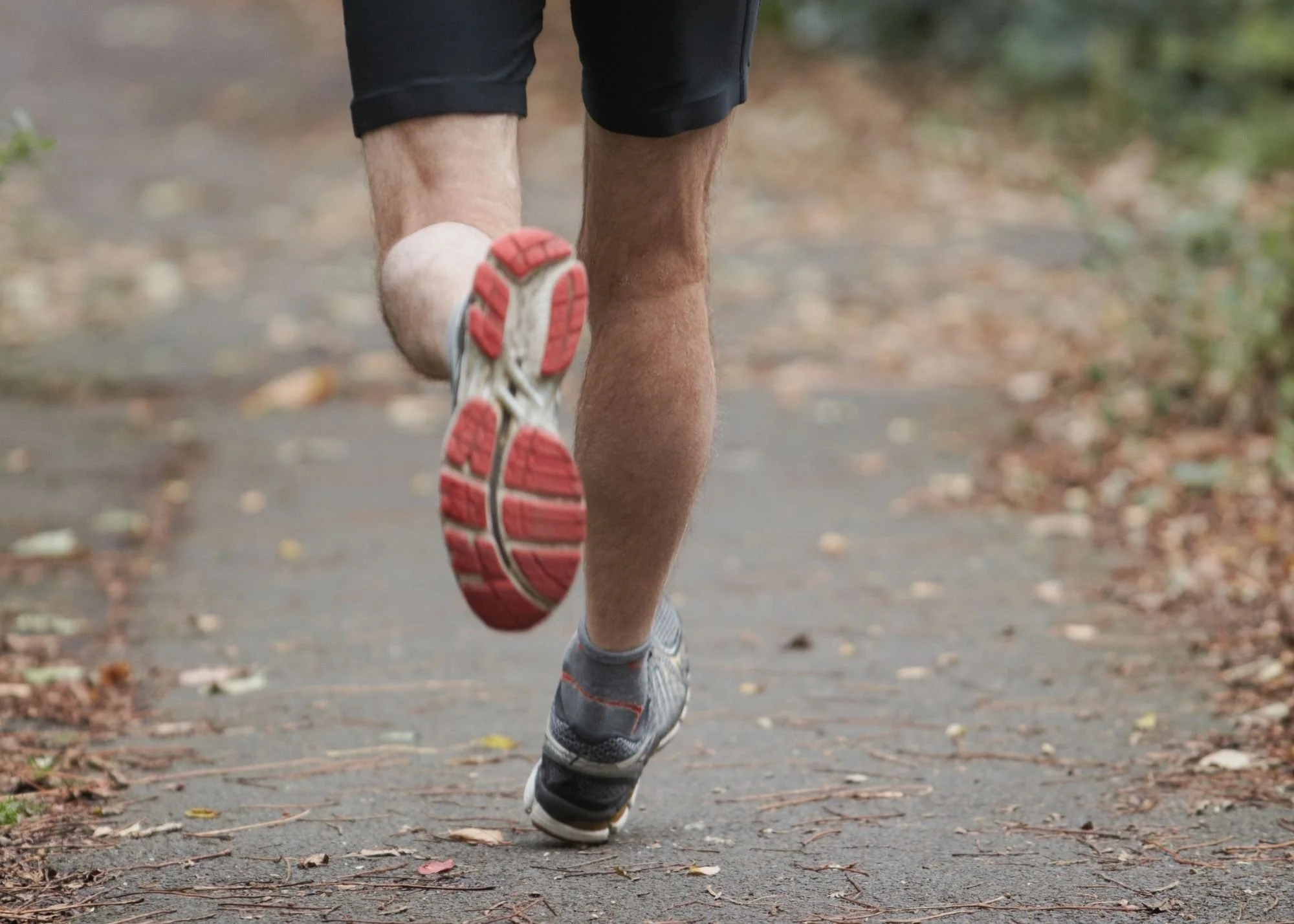
In a running-obsessed place like Boulder, running shoe choice is treated with near-religious intensity. Brand loyalty, drop preferences, foam technology, support categories — runners can talk about shoes for hours. And rightly so: the wrong shoes can cause injuries that take months to recover from. The right shoes feel like nothing at all, which is the highest compliment in footwear.
What gets lost in the conversation is the relationship between arch support, foot mechanics, and the shoes that actually serve your feet best. Here's how to think about it.
Understanding Your Arch Type
The arch of your foot is more than a shape — it's a dynamic spring system that absorbs impact and propels you forward. Three general arch types exist:
Normal (Medium) Arches
A clear arch is visible when standing, with a moderate gap between the inner foot and the ground. Normal arches typically pronate (roll inward) the appropriate amount during walking and running, providing natural shock absorption without excessive movement. Most cushioned, neutral running shoes work well.
Flat Feet (Low Arches or Pes Planus)
Flat feet show little to no arch when standing — the foot makes nearly complete contact with the ground. Flat-footed runners often overpronate, meaning the foot rolls inward excessively during gait. This can place strain on the plantar fascia, the Achilles tendon, the knee, and the hip over time.
Flat feet generally benefit from stability or motion-control running shoes — shoes designed with firmer materials on the inner side to limit excessive pronation.
High Arches (Pes Cavus)
A pronounced arch with minimal contact between the middle of the foot and the ground. High-arched runners often supinate (roll outward) and don't naturally absorb shock well. Their feet are typically rigid rather than flexible, which transfers more impact to the bones, joints, and soft tissues.
High arches typically benefit from neutral, well-cushioned shoes that absorb the shock the foot can't. Stability features generally aren't needed.
How to Determine Your Arch Type
A simple at-home test:
Wet the bottom of your foot
Step onto a piece of cardboard or paper
Examine the footprint
Wide imprint with little curve = flat feet
Narrow imprint showing only the heel and ball = high arches
Moderate curve along the inside = normal arch
A podiatrist can perform a more thorough assessment, including gait analysis to see how your arch behaves under load.
The Categories of Running Shoes
Neutral cushioned: Designed for runners with normal or high arches who don't overpronate. Maximum cushioning, no motion-control features.
Stability: For runners with mild to moderate overpronation. Includes a denser foam (medial post) on the inner side of the shoe to limit excessive inward roll.
Motion control: For runners with significant overpronation, often combined with flat feet. Heavy structural support to limit excessive motion.
Minimalist / Zero drop: Low cushioning, low heel-to-toe drop. Promotes a midfoot or forefoot strike. Requires careful transition; not appropriate for all runners.
Maximalist: Very high stack height, exceptional cushioning. Popular for ultra-running and long miles on hard surfaces. Trade some ground feel for impact reduction.
Trail: Aggressive lugs, rock plates, water resistance. Designed for off-road running on the kind of terrain Coloradans love. Different shoes for different trail types — buffed-out vs. technical alpine.
Common Mismatches and Their Consequences
Wearing the wrong category of shoe is one of the most common contributors to running injuries:
Overpronators in neutral shoes often develop knee pain, plantar fasciitis, or shin splints
Underpronators in stability shoes can develop pain on the outside of the foot or knee
High-arched runners in minimal cushioning often develop stress reactions and bone bruises
Heavy runners in lightweight performance shoes often experience early breakdown of cushioning
Getting fitted at a specialty running store with treadmill gait analysis is a reasonable starting point. For runners with persistent injuries, podiatric evaluation often identifies issues that store fittings miss.
Signs You Need New Running Shoes
Running shoes don't announce their retirement. They quietly degrade, often leaving runners blaming themselves for new aches and pains that are actually their shoes' fault. Watch for these indicators:
Mileage
The conventional wisdom: replace running shoes every 300-500 miles. This range varies based on:
Runner weight (heavier runners compress foam faster)
Surface (concrete and asphalt break down shoes faster than trail or treadmill)
Foot strike pattern
Running form efficiency
Shoe construction and foam technology
Track mileage in a running app or journal. Many runners are surprised to discover their shoes have far more miles than they realized.
Visual Wear
Worn outsole tread, particularly in the impact zone (typically the outer heel)
Compressed midsole foam (push your finger into the foam — does it spring back?)
Visible creasing or wrinkling in the midsole
Uppers stretched or torn
Heel counter no longer firm and supportive
Performance Indicators
Shoes feel "dead" or unresponsive
Cushioning feels flat or hard
You notice new aches in the feet, ankles, knees, or hips
Recurrent blisters or hot spots in new locations
Shoes feel different on the right vs. left foot
You're finishing runs more fatigued than usual
The Twist Test
Hold the shoe at the heel and toe and twist gently. A new shoe has appropriate torsional resistance. A worn-out shoe twists easily, indicating midsole breakdown.
When Custom Orthotics Make More Sense Than Stability Shoes
For some runners, even the most appropriate stock shoe isn't enough. Custom orthotics provide individualized support based on your specific foot mechanics — and they're often more effective than relying on shoe categories alone.
Custom orthotics are typically warranted when:
You have significant biomechanical issues (severe overpronation, leg length discrepancy, post-surgical changes)
Stock shoe categories haven't resolved your symptoms
You have specific conditions like plantar fasciitis, Morton's neuroma, or chronic ankle instability
You have foot deformities that require accommodation
You're a high-mileage runner where small inefficiencies compound
You have diabetic foot considerations
Modern custom orthotics for runners are notably different from the bulky devices of the past — they're thin, flexible enough to work with running shoes, and designed for athletic performance.
Boulder-Specific Considerations
Running in Boulder and the Front Range presents specific footwear challenges:
Trail vs. road. If you regularly mix surfaces, having dedicated shoes for each is worth it.
Steep terrain. Aggressive climbs put unique demands on the Achilles and the toe-off mechanics. Shoes with appropriate forefoot flexibility and traction matter.
Variable conditions. Running through summer afternoon storms, late-fall ice, or winter snow requires versatility most road shoes don't provide.
High mileage. Boulder's training culture means many runners log significant weekly mileage. Shoe rotation extends the life of each pair and varies the loading pattern, which can reduce overuse injury risk.
When to See a Podiatrist
Schedule an evaluation if:
You're experiencing recurring running injuries despite trying different shoes
Specific pain patterns (heel pain, knee pain, shin splints) are limiting training
You have foot conditions that require professional management
You've been told you have flat feet, high arches, or significant overpronation
You're training for a major event and want to optimize your setup
You're considering whether custom orthotics make sense
At Table Mountain Foot and Ankle, our sports medicine team works with runners across every level — from local 5K participants to mountain ultramarathoners. We can analyze your gait, evaluate your current footwear, and identify whether the answer is a different shoe category, a custom orthotic, or addressing a specific biomechanical issue. Schedule an appointment to optimize your running setup before injury sidelines you.