Achilles Tendon Pain in Runners: Tendonitis Causes, Symptoms, and Treatment
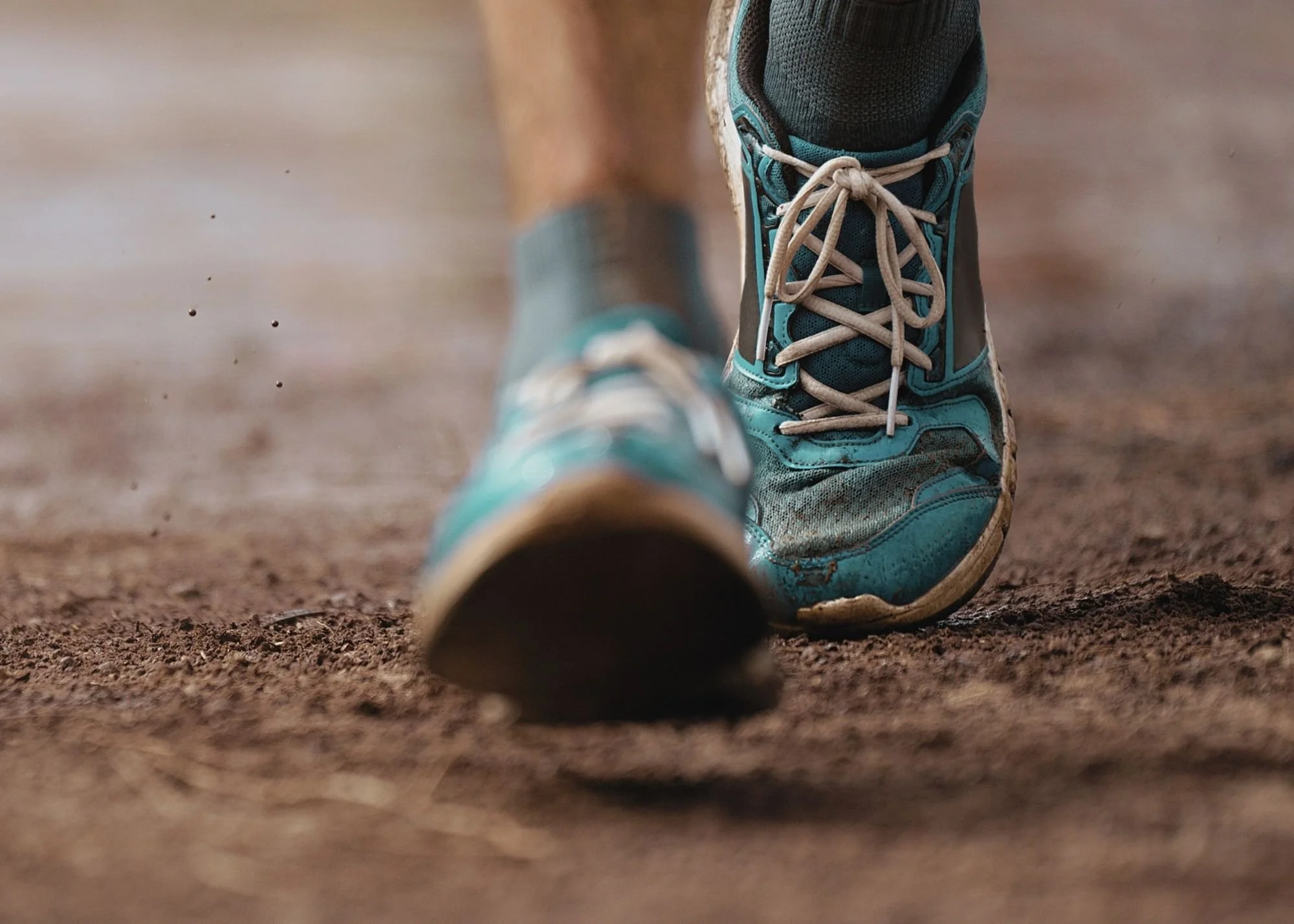
Few injuries shut down a Colorado runner faster than Achilles tendon pain. The Achilles is the largest and strongest tendon in the human body — it transmits the force of every step from your calf to your heel — and when it fails, even walking becomes difficult. For trail runners, road runners, and weekend warriors across the Front Range, Achilles problems are one of the most common reasons to end up in a podiatry office.
The good news is that Achilles tendon issues respond well to treatment when caught early. The bad news is that runners notoriously push through Achilles pain until it becomes a chronic problem that takes months — sometimes years — to fully resolve. Understanding what's actually happening, why running culture creates the perfect storm for Achilles injury, and what to do about it can save you from the long version of this story.
Anatomy: What the Achilles Tendon Actually Does
The Achilles tendon connects two large calf muscles — the gastrocnemius and soleus — to the calcaneus, your heel bone. Every time you push off the ground, the tendon stretches and recoils, transferring the force generated by your calves into forward propulsion. During running, the Achilles can experience forces equal to 12 times your body weight with every stride.
The tendon is remarkably durable, but it has a vulnerability: a section roughly two to six centimeters above where it inserts into the heel has notably reduced blood flow. This "watershed" zone heals slowly and is where most Achilles tendon injuries occur.
Achilles Tendonitis vs. Tendinosis vs. Rupture
Three distinct conditions all get lumped under "Achilles pain," but they're medically different and require different approaches:
Achilles tendonitis: Acute inflammation of the tendon, usually from a sudden increase in activity. Pain is sharp, often worse with movement, and improves with rest, ice, and anti-inflammatory measures.
Achilles tendinosis: Chronic degeneration of the tendon's collagen structure from repetitive stress without adequate recovery. Despite the "-osis" suffix, inflammation isn't the primary problem — the tendon itself is breaking down. This requires a different treatment approach than tendonitis.
Achilles rupture: Complete or partial tear of the tendon. Often presents as a sudden "pop" or sensation of being kicked in the back of the leg, followed by inability to push off the foot. This is a medical emergency.
Most runners with Achilles pain have either tendonitis or tendinosis, sometimes overlapping. The distinction matters because anti-inflammatory medications can actually slow healing in tendinosis, while they're a cornerstone of treating tendonitis.
Common Causes of Achilles Tendonitis in Runners
Achilles tendon pain rarely has a single cause. It's almost always the result of training errors interacting with biomechanical or anatomical factors. The usual suspects:
Training Errors
Sudden increases in mileage or intensity. The "10% rule" exists for a reason — bumping weekly mileage too quickly is the single most common cause of Achilles flare-ups. Adding hill work, speed work, or a new event distance compounds the risk.
Inadequate recovery. The Achilles needs 36 to 48 hours to recover from a hard run. Stacking hard sessions on consecutive days doesn't give the tendon time to repair.
Hill running and steep trails. Running uphill places the Achilles under sustained stretch — and the steep grades that make Boulder running iconic also make Boulder runners more vulnerable.
Worn or inappropriate footwear. Shoes with collapsed cushioning, worn-out heel counters, or inadequate support place additional stress on the Achilles.
Biomechanical and Anatomical Factors
Tight calf muscles (limiting ankle dorsiflexion)
Overpronation (the foot rolling inward excessively during gait)
High arches that don't absorb shock effectively
Leg length discrepancy
Weak hip and glute muscles, which alter running mechanics
Previous Achilles injury
Bone spurs or Haglund's deformity at the back of the heel
Other Risk Factors
Age (tendons stiffen and lose elasticity after 40)
Sudden return to running after a layoff
Obesity
Certain medications, including fluoroquinolone antibiotics and corticosteroids
Inflammatory conditions like rheumatoid arthritis
Symptoms to Watch For
Achilles tendonitis typically announces itself gradually. Early symptoms are easy to dismiss — that's how most runners end up with chronic problems. Catch any of these and back off your training:
Stiffness or pain in the back of the heel after waking up or sitting still
Pain that warms up with activity, then returns or worsens afterward
Tenderness when pressing along the tendon
Visible swelling or thickening of the tendon
A creaking or grating sensation when moving the ankle
Reduced ankle flexibility
Pain when climbing stairs or rising onto the toes
Warning Signs of Rupture
Stop running and seek immediate care if you experience:
A sudden, sharp pain in the back of the leg or ankle
A loud popping sound at the moment of injury
Inability to push off the affected foot
A noticeable gap or indentation in the tendon
Severe weakness when trying to stand on the toes
Diagnosis
A podiatrist diagnoses Achilles tendon problems through clinical examination and, when needed, imaging. The Thompson test — squeezing the calf muscle to see whether the foot reflexively plantarflexes — is a standard check for rupture. Ultrasound is excellent for visualizing the tendon's structure and identifying degenerative changes, while MRI provides detailed assessment when more clarity is needed.
Don't self-diagnose persistent Achilles pain. The treatment for tendonitis differs from tendinosis, and missing a partial tear can lead to a complete rupture down the road.
Treatment Options
Conservative Care for Achilles Tendonitis
Most cases respond to a structured conservative protocol:
Relative rest. Not complete inactivity — the tendon actually needs some loading to heal — but a temporary reduction in running volume and intensity. Cross-training in low-impact activities like swimming, cycling, or pool running maintains fitness while the tendon recovers.
Ice and anti-inflammatories. Useful in the acute phase to manage pain and inflammation.
Eccentric heel-drop exercises. The Alfredson protocol — a specific eccentric loading program — is well-supported by research for both tendonitis and chronic tendinosis. Three sets of 15 repetitions, twice daily, both knee-straight and knee-bent, performed with appropriate progression.
Calf stretching. Tight calves are both a cause and a consequence of Achilles problems. Daily stretching helps both.
Heel lifts. Temporarily raising the heel reduces strain on the tendon during healing. Should be used short-term, not as a long-term solution.
Custom orthotics. Properly designed orthotics address underlying biomechanical issues like overpronation that contribute to Achilles strain.
Physical therapy. A physical therapist can address contributing factors throughout the kinetic chain — hip weakness, ankle mobility, running form — that simple rest won't fix.
Advanced Treatments for Chronic Cases
When conservative measures aren't enough:
Extracorporeal shock wave therapy (ESWT) for chronic tendinosis
Platelet-rich plasma (PRP) injections to stimulate healing
Dry needling or therapeutic ultrasound
Walking boot or short-leg cast for severe cases
Laser therapy
When Surgery Is Needed
Surgical treatment is reserved for ruptures, severe chronic tendinosis that hasn't responded to conservative care, and significant Haglund's deformity. Procedures range from minimally invasive debridement to formal tendon repair. Recovery takes months and requires careful rehabilitation.
Prevention: Keeping Your Achilles Healthy
Most Achilles injuries are preventable. The runners who avoid them tend to do these things:
Build mileage gradually (the 10% rule, applied seriously)
Include rest days and easy days in every training week
Maintain calf flexibility with daily stretching
Strengthen the calves with eccentric work even when pain-free
Replace running shoes every 300 to 500 miles
Address biomechanical issues with orthotics if recommended
Cross-train to reduce repetitive stress
Don't ignore early symptoms — back off, don't push through
Special Considerations for Boulder and Front Range Runners
The terrain that makes Colorado running so rewarding also creates specific Achilles risks. Steep climbs on Mt. Sanitas, Bear Peak, or any of the iconic foothill trails place sustained strain on the tendon. Altitude affects recovery — your body is already managing oxygen stress, and tissues need more time to repair. The transition between trail and road, especially during ski-season cross-training, introduces new mechanical demands.
Listen to your body, scale your training to the terrain, and address pain early. The runners who have long, productive careers in the mountains are the ones who treat their Achilles like the irreplaceable structure it is.
When to See a Podiatrist
Make an appointment if:
Pain persists despite a week or two of rest and self-care
You're experiencing morning stiffness that doesn't resolve
The tendon feels thickened, lumpy, or warmer than the surrounding tissue
You've had multiple Achilles flare-ups
Your training is being limited by pain
You suspect a tear or rupture (immediate care)
At Table Mountain Foot and Ankle, our sports medicine team works extensively with runners and athletes across the Front Range. We'll identify the specific factors driving your Achilles pain — and build a treatment plan that gets you back on the trails without setting you up for the next injury. Schedule an appointment to start the conversation.