Swollen Feet and Ankles: Common Causes and When to Be Concerned
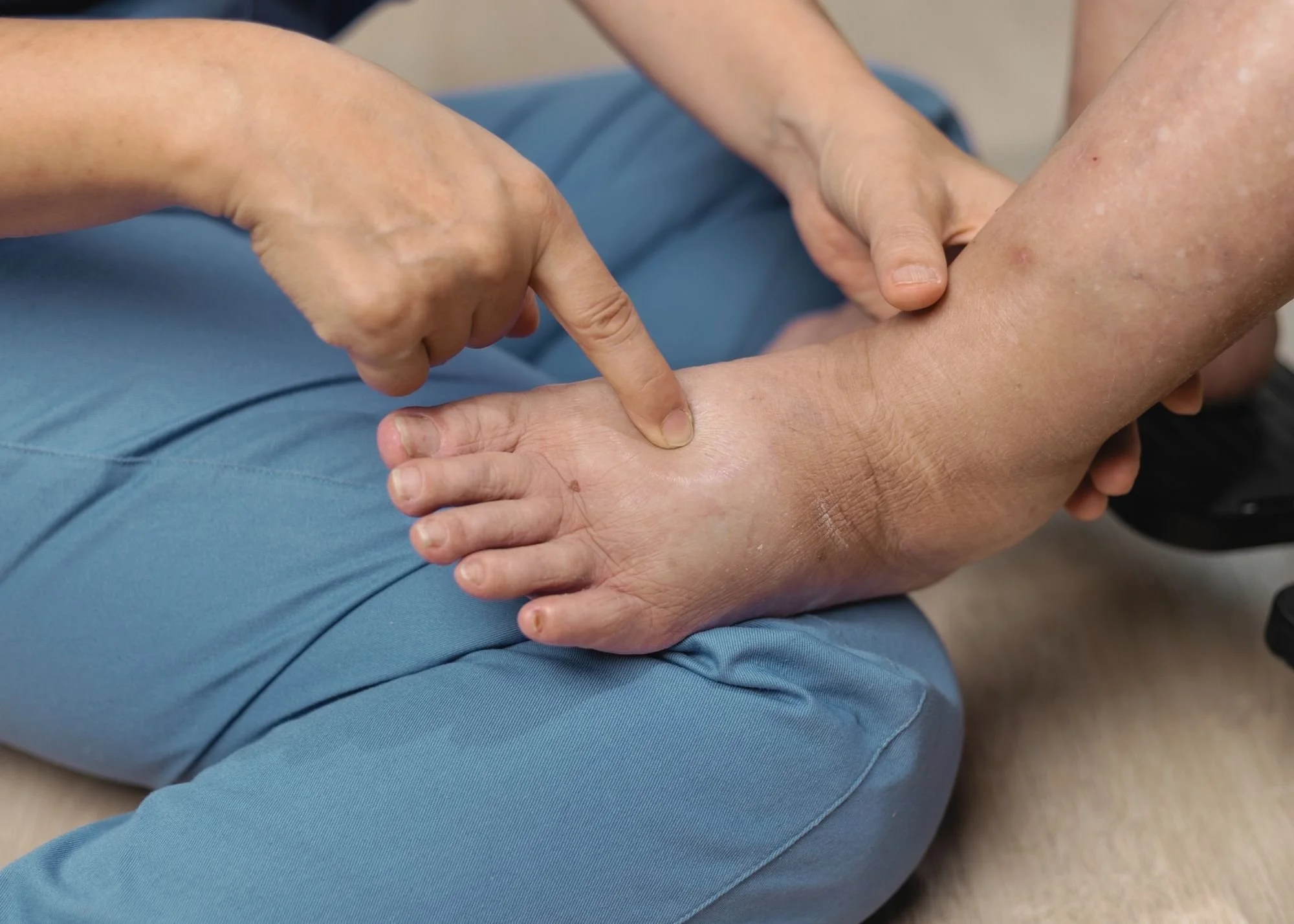
Swelling in the feet and ankles — medically called peripheral edema — is one of those symptoms that ranges from completely benign to a warning sign of serious illness. A long flight or a particularly active day in Boulder's thinner air can leave anyone with puffy ankles by evening. But persistent or unexplained swelling deserves a closer look, because it's sometimes the first visible sign of something happening elsewhere in the body.
Understanding the common causes of swollen feet and ankles helps you know when to rest, when to elevate, and when to make an appointment.
Why Do Feet and Ankles Swell?
Swelling occurs when fluid leaks from small blood vessels into surrounding tissues. Gravity pulls that fluid downward, which is why swelling tends to concentrate in the lower legs, feet, and ankles. The mechanism is the same regardless of cause — but identifying the underlying reason matters because the treatment varies dramatically.
Common Lifestyle Causes
Many cases of foot swelling have benign, lifestyle-related explanations:
Prolonged standing or sitting. When the calf muscles aren't actively pumping blood back toward the heart, fluid pools in the lower extremities. Long flights, retail jobs, and desk work all contribute.
Hot weather. Heat causes blood vessels to dilate, leading to mild fluid retention in the feet and ankles.
High salt intake. Sodium causes the body to hold extra water, which can show up as swelling.
Excess weight. Carrying additional body weight increases pressure on the lower extremity veins, contributing to swelling.
Pregnancy. Increased blood volume and pressure from the growing uterus on pelvic veins commonly cause swollen feet, particularly in the third trimester.
Lifestyle-related swelling typically resolves with rest, elevation, hydration, and movement. If your swelling pattern matches one of these and improves overnight or with activity, it's usually nothing concerning.
Injury-Related Swelling
Acute injuries cause localized swelling as part of the body's healing response:
Tendon injuries
Soft tissue contusions
Injury-related swelling is typically asymmetric (one side only), accompanied by pain, and follows a clear inciting event. It improves over days to weeks with appropriate care.
Medical Conditions That Cause Swollen Feet
When swelling is persistent, bilateral (both sides), or accompanied by other symptoms, the cause may be systemic. Several medical conditions commonly present with foot and ankle swelling:
Heart Failure
When the heart isn't pumping efficiently, blood backs up in the venous system. The result is fluid leakage into the tissues, often most visible in the feet and ankles. Heart failure-related swelling is typically gradual, bilateral, and worse at the end of the day. It may be accompanied by shortness of breath, fatigue, or rapid weight gain.
Kidney Disease
The kidneys regulate fluid balance. When kidney function declines, excess fluid accumulates throughout the body, often visible first in the feet, ankles, and around the eyes. Reduced urine output, fatigue, and changes in appetite may accompany kidney-related swelling.
Liver Disease
Advanced liver disease reduces the body's production of albumin, a protein that holds fluid inside blood vessels. With less albumin, fluid leaks into tissues, causing swelling in the feet, legs, and abdomen.
Venous Insufficiency
When the valves in the leg veins weaken, blood pools rather than flowing efficiently back to the heart. Chronic venous insufficiency causes persistent swelling, often with skin changes (darkening, thickening) along the lower legs.
Deep Vein Thrombosis (DVT)
A blood clot in a deep leg vein can cause sudden, often unilateral (one-sided) swelling, sometimes accompanied by warmth, redness, or calf pain. DVT is a medical emergency — the clot can travel to the lungs and cause life-threatening complications. Sudden, unexplained one-sided leg or foot swelling warrants immediate medical evaluation.
Lymphedema
Damage to or congenital abnormalities of the lymphatic system can prevent lymph fluid from draining properly, causing chronic swelling that doesn't resolve with elevation. Lymphedema often affects one limb more than the other and may follow surgery, radiation, or infection.
Phlebitis
Inflammation of veins (phlebitis) can cause swelling, warmth, and tenderness, typically along the path of the affected vein.
Medications That Can Cause Swelling
Several common medications list foot and ankle swelling as a side effect:
Calcium channel blockers (used for high blood pressure)
NSAIDs (ibuprofen, naproxen) when used long-term
Corticosteroids (prednisone)
Hormone therapy and oral contraceptives
Some diabetes medications
Certain antidepressants
If you've started a new medication and noticed swelling, mention it to your prescribing doctor — there may be alternatives that don't produce this side effect.
Diabetes and Foot Swelling
For patients with diabetes, foot swelling deserves particularly careful attention. It can signal infection, Charcot foot (a serious complication causing bone and joint changes), poor circulation, or kidney involvement. Even minor swelling combined with skin changes, warmth, or wounds requires prompt evaluation through diabetic foot care.
When to See a Podiatrist or Doctor
Schedule an evaluation for swelling that:
Doesn't improve with rest, elevation, or 1 to 2 days of self-care
Affects only one foot or leg suddenly
Is accompanied by pain, warmth, or redness
Comes with shortness of breath, chest pain, or fatigue
Develops along with skin changes, sores, or wounds that aren't healing
Occurs alongside changes in urine output or unexplained weight gain
Persists for more than a few days without obvious cause
Sudden, severe, one-sided leg swelling — especially with calf pain or shortness of breath — is a medical emergency. Seek immediate care.
Self-Care for Mild Swelling
For non-concerning swelling, these strategies provide relief:
Elevate your feet above heart level for 15 to 30 minutes a few times daily
Stay hydrated (counterintuitive, but dehydration worsens fluid retention)
Reduce salt intake
Move regularly — even a 5-minute walk every hour helps the calf muscles pump fluid back upward
Wear compression stockings, particularly for travel or long days on your feet
Maintain a healthy weight
Don't Dismiss Persistent Swelling
Mild evening swelling that resolves overnight is rarely concerning. But persistent, unexplained, or worsening swelling deserves attention — sometimes it's a podiatry issue, sometimes it's a sign that another body system needs evaluation. At Table Mountain Foot and Ankle, we can identify whether your foot swelling is a localized problem we can address directly or whether it warrants further workup with another specialist.
Schedule an appointment to get to the bottom of unexplained foot or ankle swelling.