What Is Edema? Understanding Foot and Ankle Swelling
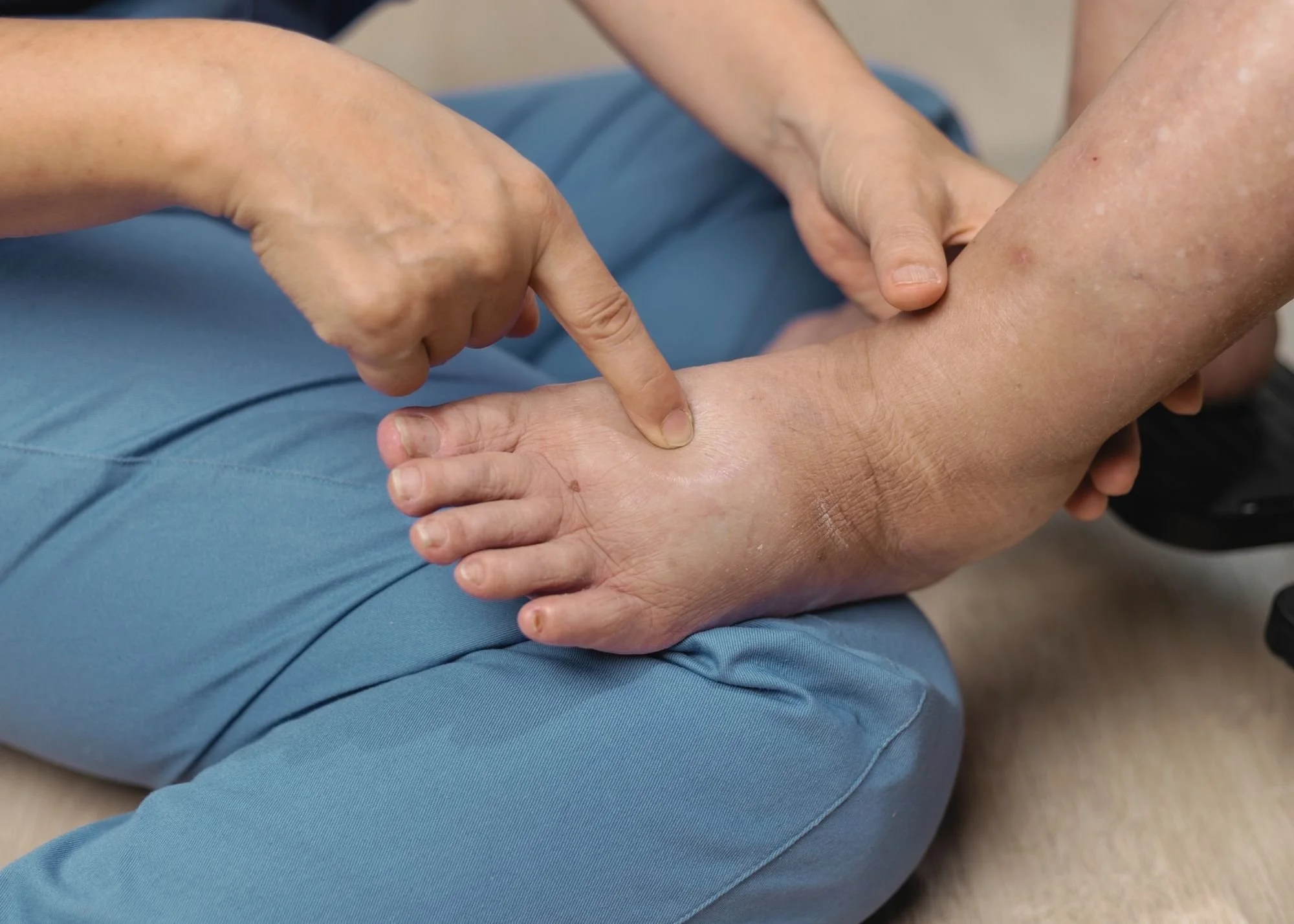
Edema is a medical word for swelling — specifically, an abnormal accumulation of fluid in body tissues. The word itself comes from Greek roots meaning "swelling," and you can have edema almost anywhere in the body. But the feet and ankles are where edema most often becomes visible, both because gravity pulls fluid downward and because the tissues there are easily monitored. Understanding edema — what it is, what causes it, and what makes it concerning — is foundational to recognizing when foot swelling deserves attention.
How Edema Develops
Normal fluid balance in the body involves a constant exchange between blood vessels, tissues, and lymphatic vessels. Fluid leaks out of the smallest blood vessels (capillaries) into surrounding tissues to deliver nutrients, then most of that fluid is reabsorbed back into the bloodstream or drained by the lymphatic system. Edema occurs when something disrupts this balance:
More fluid leaving the blood vessels than the body can reabsorb
Reduced reabsorption capacity (low albumin, lymphatic problems)
Increased pressure inside veins forcing fluid out
Damage to capillaries making them leakier
Inflammatory processes that draw fluid into tissues
The end result is the same — visible swelling — but the underlying mechanism varies dramatically, and treatment depends on identifying which mechanism is at work.
Types of Edema
Pitting Edema
When you press a finger into the swollen area, an indentation remains for several seconds after you release. This typically indicates fluid that has accumulated in tissue spaces and can be displaced. Common with heart failure, kidney disease, and venous problems.
Non-Pitting Edema
Pressing the area doesn't leave an indentation. The swelling has more solid characteristics, often related to lymphatic problems, certain infections, or specific medical conditions like myxedema (severe hypothyroidism).
Localized vs. Generalized
Localized edema affects a specific area (one foot, one leg, around an injury). Often suggests a problem in that specific area — injury, infection, blood clot, or local lymphatic issue.
Generalized edema affects multiple areas — both feet, legs, sometimes hands and face. Usually indicates a systemic process — heart, kidney, liver, or hormonal issues.
Acute vs. Chronic
Acute edema develops over hours to days. Chronic edema develops gradually over weeks to months. The timeline often points toward different causes.
Common Causes of Foot and Ankle Edema
Many factors can produce foot swelling. The most important ones to understand:
Lifestyle and Mechanical Causes
Prolonged standing or sitting
Long flights or car trips
High-sodium diet
Excess weight
Pregnancy
Tight or restrictive clothing
Hot weather
Cardiovascular Causes
Heart failure
Venous insufficiency
Deep vein thrombosis (DVT) — usually one-sided
Phlebitis
Pulmonary hypertension
Kidney and Liver Issues
Kidney disease (reduced fluid filtration)
Liver disease (low albumin)
Nephrotic syndrome (protein loss in urine)
Endocrine and Metabolic
Thyroid disorders
Diabetes complications
Premenstrual hormonal changes
Medications
Calcium channel blockers (blood pressure)
NSAIDs
Steroids
Hormone therapies
Some diabetes medications
Certain antidepressants
Local Causes
Injury (sprains, fractures, soft tissue trauma)
Infection (cellulitis)
Lymphedema
Inflammatory arthritis
Blood clots
Edema in Diabetic Patients
For patients with diabetes, new or worsening foot edema deserves careful evaluation. Possible causes include kidney involvement, infection, Charcot foot (a serious complication), or vascular issues. Don't dismiss diabetic foot swelling as routine.
When Edema Needs Immediate Attention
Some patterns require prompt evaluation:
Sudden, severe, one-sided swelling (possible blood clot)
Swelling with shortness of breath or chest pain
Swelling accompanied by skin color changes (purple, dark red, or blue)
Swelling with severe pain, warmth, or redness (possible infection)
Swelling with fever
Sudden weight gain along with swelling
Edema that won't resolve with rest and elevation
Swelling with skin breakdown or wounds
Sudden severe one-sided leg swelling is potentially a deep vein thrombosis, which can become life-threatening. Seek immediate medical care.
Self-Care for Mild Edema
For lifestyle-related, mild, bilateral edema:
Elevate feet above heart level for 15-30 minutes several times daily
Stay hydrated (counterintuitive, but dehydration worsens fluid retention)
Reduce sodium intake
Move regularly — calf muscle activity pumps fluid back upward
Wear compression stockings, particularly for travel or long days standing
Maintain a healthy weight
Avoid restrictive clothing or tight socks
Improvements should be visible within days. Persistent or worsening swelling despite these measures warrants evaluation.
Diagnostic Evaluation
A workup for unexplained edema typically includes:
History (timeline, pattern, medications, medical history)
Physical examination including pulses and skin assessment
Blood work for cardiac, kidney, liver, thyroid, and inflammatory markers
Urinalysis
Ultrasound to evaluate for blood clots
Echocardiogram if cardiac causes are suspected
Other imaging as warranted
Identifying the cause directs treatment.
Treatment
Effective treatment requires addressing the underlying cause:
Cardiovascular conditions: management of the underlying heart problem
Kidney disease: kidney-focused treatment
Venous insufficiency: compression, elevation, sometimes vein procedures
Lymphedema: specialized therapy, compression, sometimes surgery
Medication-induced: changing or adjusting the offending medication
Lifestyle factors: addressing those factors directly
Diuretics: in selected cases, but not a treatment for the underlying problem
For more detail on the specific causes of swollen feet and ankles, see our companion post on common causes of foot and ankle swelling.
When to See a Podiatrist or Physician
Persistent swelling that doesn't resolve with self-care
Swelling that's worsening over time
One-sided swelling without obvious cause
Swelling with skin changes, wounds, or signs of infection
Swelling with shortness of breath, chest pain, or other concerning symptoms
New swelling after starting a medication
Swelling in a patient with diabetes, kidney disease, or other chronic conditions
Foot swelling with significant pain
At Table Mountain Foot and Ankle, we identify whether your foot swelling is a localized podiatric issue or whether it warrants broader medical workup. Schedule an appointment to get to the cause of unexplained swelling.