Hammertoes and Claw Toes: Causes, Symptoms, and Treatment
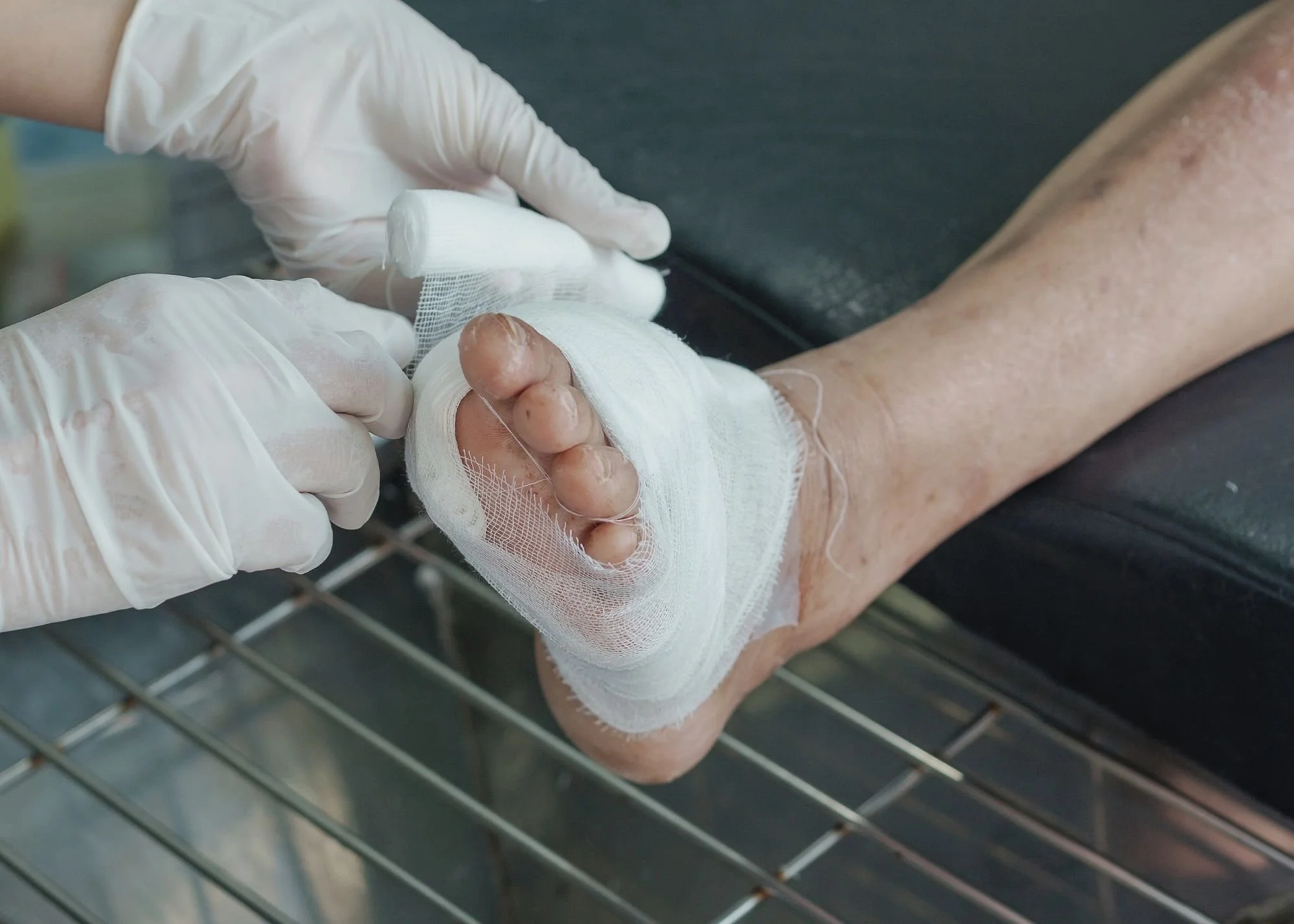
A hammertoe is one of those conditions patients usually live with longer than they should. The toe gradually curls into an unusual position over years, calluses form, shoes become uncomfortable, and most people just accept it as part of aging. But hammertoes are progressive — and what starts as a flexible deformity that responds to simple interventions can become a rigid, painful problem requiring surgery if ignored too long.
Understanding hammertoes and related deformities helps you recognize when intervention makes a difference.
Hammertoes vs. Claw Toes vs. Mallet Toes
Three related toe deformities are often confused, and the differences matter:
Hammertoe: The toe bends downward at the middle joint (proximal interphalangeal joint), forming a hammer-like shape. Most commonly affects the second, third, or fourth toe.
Claw toe: The toe bends upward at the joint where the toe meets the foot (metatarsophalangeal joint) and downward at both interphalangeal joints — creating a claw-like appearance. Often affects multiple toes simultaneously.
Mallet toe: The toe bends downward only at the joint closest to the toenail (distal interphalangeal joint).
All three result from imbalances between the muscles and tendons that control toe position. Treatment principles are similar, though specific approaches vary.
What Causes Hammertoes
Hammertoes develop from a combination of factors:
Footwear
Shoes too short or too narrow that crowd toes into a bent position
High heels that force toes against the front of the shoe
Pointed-toe shoes worn over years
Children's shoes that aren't resized as feet grow
Foot Structure and Biomechanics
Flat feet or high arches
Excessive pronation
Bunions that crowd adjacent toes
A second toe longer than the big toe (Morton's toe)
Hereditary foot shape and joint laxity
Medical Conditions
Rheumatoid arthritis and other inflammatory arthropathies
Diabetic neuropathy affecting the small muscles of the foot
Stroke or other neurological conditions affecting muscle balance
Charcot-Marie-Tooth disease and related neuromuscular disorders
Trauma
Toe fractures that healed in poor alignment
Tendon injuries that disrupted normal balance
Crush injuries to the foot
Symptoms and Progression
Hammertoes start flexible and become rigid over time. Early symptoms are easy to miss:
Flexible Stage
Toe shows a slight bend that can still be straightened by hand
Mild discomfort in shoes
Beginning of a callus on top of the affected joint
Occasional pain after long days on your feet
At this stage, conservative measures can often prevent further progression and may even partially correct the deformity.
Rigid Stage
Toe is fixed in the bent position and cannot be manually straightened
Persistent corns or calluses on top of the joint and tip of the toe
Pain with weight-bearing
Difficulty finding shoes that don't cause irritation
Skin breakdown or open sores in severe cases
Secondary changes in adjacent toes
Once a hammertoe becomes rigid, conservative treatment can manage symptoms but rarely corrects the deformity. Surgery becomes the only option for full correction.
Treatment Options
Conservative Care
For flexible hammertoes:
Footwear changes (wide toe box, soft uppers, lower heels)
Toe stretches and exercises to maintain flexibility
Custom orthotics to address underlying biomechanical issues
Toe spacers and protective padding
Hammertoe splints
Corn and callus management
Activity modification
Surgical Treatment
For rigid hammertoes or those causing significant problems despite conservative care, surgical correction may be appropriate. Procedures include:
Tendon release or transfer for flexible deformities
Joint resection (arthroplasty) for moderate rigid deformities
Joint fusion for severe rigid deformities
Bone realignment when other foot deformities contribute
Recovery typically involves several weeks in a post-op shoe with progressive return to normal footwear over 2-3 months.
Special Considerations
For diabetic patients, hammertoes are more than a cosmetic concern. The pressure points created by the deformity can lead to ulcers, particularly on the tips of the toes and over the prominent joints. Aggressive prevention and early intervention are essential.
When to See a Podiatrist
A toe is starting to bend abnormally
Corns or calluses are forming on top of toe joints
You can't comfortably wear closed-toe shoes
Pain is limiting your activities
You have diabetes and toe deformities are developing
Conservative measures aren't controlling symptoms
At Table Mountain Foot and Ankle, we treat hammertoes across every stage. Earlier intervention preserves more options. Schedule an appointment before flexible deformities become rigid problems.