Plantar Fibromatosis (Ledderhose Disease): Multiple Foot Arch Nodules
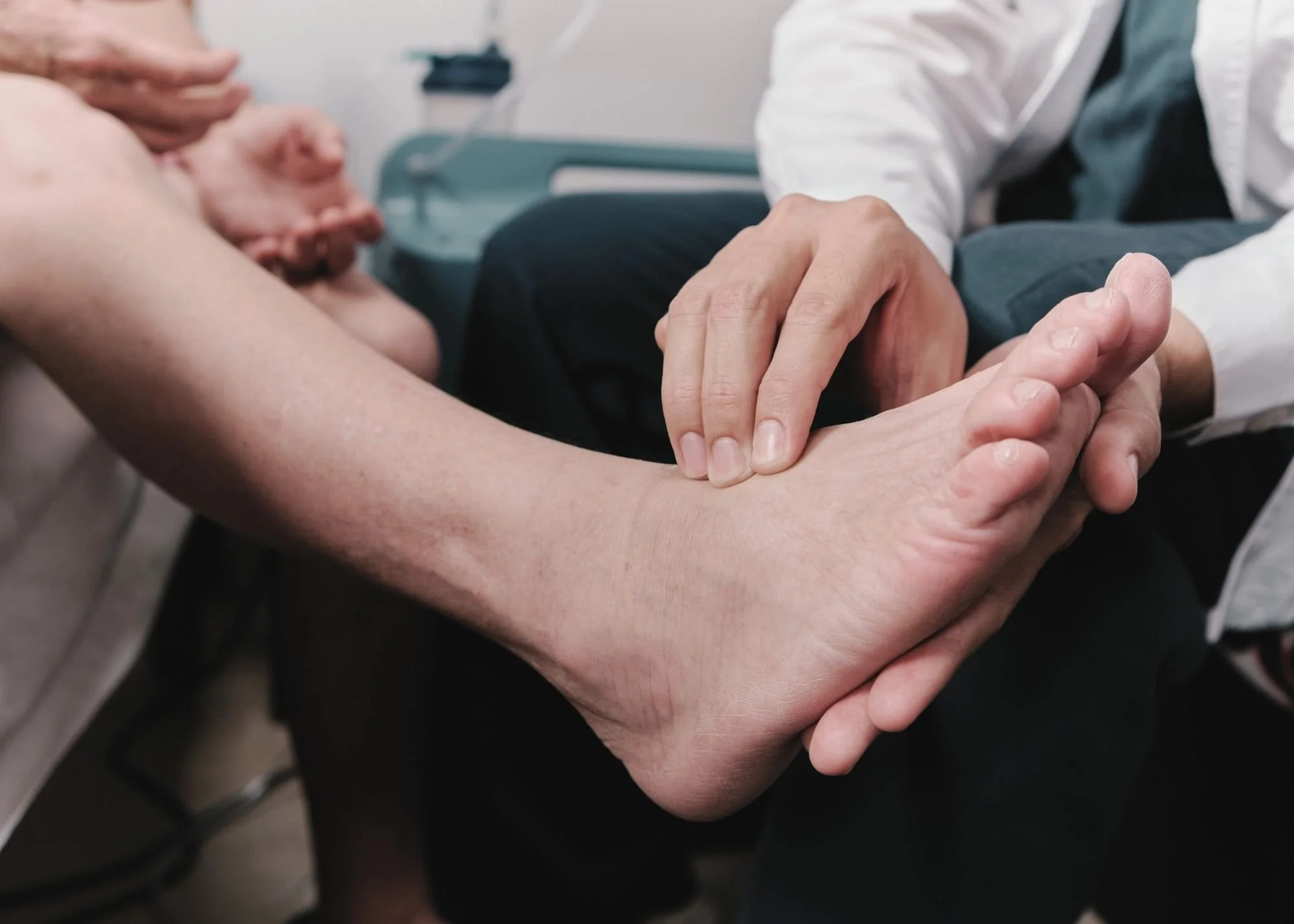
Plantar fibromatosis — also called Ledderhose disease, named for the German surgeon who first described it — is a related but distinct condition from a single plantar fibroma. While a plantar fibroma involves a single benign nodule in the arch of the foot, plantar fibromatosis involves multiple nodules and often progressive thickening of the plantar fascia. The two are part of the same family of conditions but have different implications and treatment considerations.
Here's what plantar fibromatosis actually is, how it differs from a single fibroma, and what treatment options exist.
What Is Plantar Fibromatosis?
Plantar fibromatosis is a benign proliferation of fibrous tissue within the plantar fascia — the thick band of tissue that runs along the bottom of the foot from the heel to the toes. The condition produces multiple firm nodules embedded within the fascia, often accompanied by progressive thickening or contracture of the surrounding tissue.
The condition was named for Dr. Georg Ledderhose, who first described it in 1894. It's related to similar conditions in other parts of the body:
Dupuytren's contracture (in the hand)
Peyronie's disease
Knuckle pads
Patients who have one of these fibrotic conditions are more likely to develop others. The collective term for these related conditions is "superficial fibromatoses."
How It Differs from a Single Plantar Fibroma
Number of nodules: A plantar fibroma is typically a single nodule. Plantar fibromatosis involves multiple nodules.
Distribution: Fibromas are usually in one foot. Fibromatosis often affects both feet.
Progression: Single fibromas often remain stable. Fibromatosis tends to progress, with nodules enlarging or new ones appearing.
Associated changes: Fibromatosis may be accompanied by tightening or contracture of the fascia, sometimes producing visible cord-like changes.
Associated conditions: Fibromatosis has stronger associations with similar conditions elsewhere in the body.
Causes and Risk Factors
The exact cause of plantar fibromatosis isn't fully understood. Contributing factors include:
Genetics. Strong familial pattern. The condition is more common in patients of Northern European descent.
Sex. More common in men.
Age. Most commonly develops in middle age, though earlier onset occurs.
Associated conditions: Diabetes, epilepsy treated with phenytoin, chronic liver disease, and alcohol use disorder are all associated with higher rates.
Repetitive trauma. Some researchers believe small repeated injuries to the plantar fascia contribute.
Symptoms
Multiple firm nodules palpable in the arch of one or both feet
Sensation of walking on lumps or pebbles
Pain or discomfort, especially with shoes pressing against the nodules
Tightness along the arch
Visible cord-like changes in the fascia in advanced cases
In some cases, contracture of the fascia leading to changes in foot shape or toe position
Progressive enlargement of nodules over time
New nodules developing in different parts of the foot
Many patients have plantar fibromatosis with minimal pain — the nodules are present but not particularly bothersome. Others experience significant discomfort that interferes with walking, standing, and footwear choices.
Diagnosis
Plantar fibromatosis is typically diagnosed through:
Clinical examination revealing multiple nodules in the plantar fascia
Ultrasound imaging to characterize the nodules and surrounding fascia
MRI when more detailed evaluation is needed
Biopsy in rare cases where the diagnosis is uncertain
The clinical pattern — multiple nodules, often bilateral, in characteristic locations — is usually distinctive enough that imaging confirms rather than establishes the diagnosis.
Treatment Options
Treatment approaches depend on symptom severity. Many patients with plantar fibromatosis don't need active treatment; others benefit from a range of interventions.
Conservative Care
Custom orthotics. Properly designed orthotics with cutouts or specialized padding around the nodules redistribute pressure. Often the most impactful single intervention.
Footwear modifications. Wider shoes, better cushioning, avoiding direct pressure on the nodules.
Stretching. Specific stretches for the plantar fascia and calf muscles.
Anti-inflammatory medications. For symptom flares.
Cortisone injections. Can reduce nodule size and pain. Multiple injections may be needed.
Topical or compounded medications. Some patients benefit from topical treatments applied directly over the nodules.
Verapamil cream. Calcium channel blocker cream that some research suggests may help slow nodule progression.
Advanced Therapies
Collagenase injections (used more commonly in Dupuytren's but applied selectively to plantar fibromatosis)
Radiation therapy in selected cases (more common in Europe than the US)
Extracorporeal shock wave therapy (limited evidence)
Surgical Treatment
Surgical removal — fasciectomy — is reserved for cases that don't respond to conservative care and significantly impair function. Surgery for plantar fibromatosis is more involved than for a single fibroma:
Wider excision is often necessary
Recurrence rates are higher than for single fibromas
Recovery typically takes 6-8 weeks
Skin grafting may be needed for larger excisions
Complete cure isn't guaranteed — the underlying tendency to form fibrotic tissue persists
Surgery is typically considered a last resort given the recurrence risk and recovery requirements.
Living With Plantar Fibromatosis
For patients with stable, mild plantar fibromatosis:
Regular monitoring to track any changes
Quality footwear with adequate cushioning
Custom orthotics if symptoms are present
Physical therapy and stretching
Awareness of associated conditions (Dupuytren's, etc.) and prompt evaluation if symptoms develop elsewhere
Management of contributing factors (diabetes control, alcohol moderation)
Many patients live productively with plantar fibromatosis for decades without major intervention.
When to See a Podiatrist
Multiple lumps in the arch of one or both feet
Progressive enlargement of arch nodules
Pain interfering with walking or daily activities
Difficulty finding shoes that don't aggravate the nodules
Visible changes in foot shape or fascia structure
Family history of plantar fibromatosis or related conditions
Existing diagnosis with new or worsening symptoms
At Table Mountain Foot and Ankle, we evaluate plantar fibromatosis and tailor treatment to your specific symptoms and progression. For information on single plantar fibromas, see our companion post on plantar fibroma causes and treatment. Schedule an appointment to address arch nodules with a comprehensive treatment approach.