Plantar Fibroma: Causes, Symptoms, and Treatment of Foot Arch Nodules
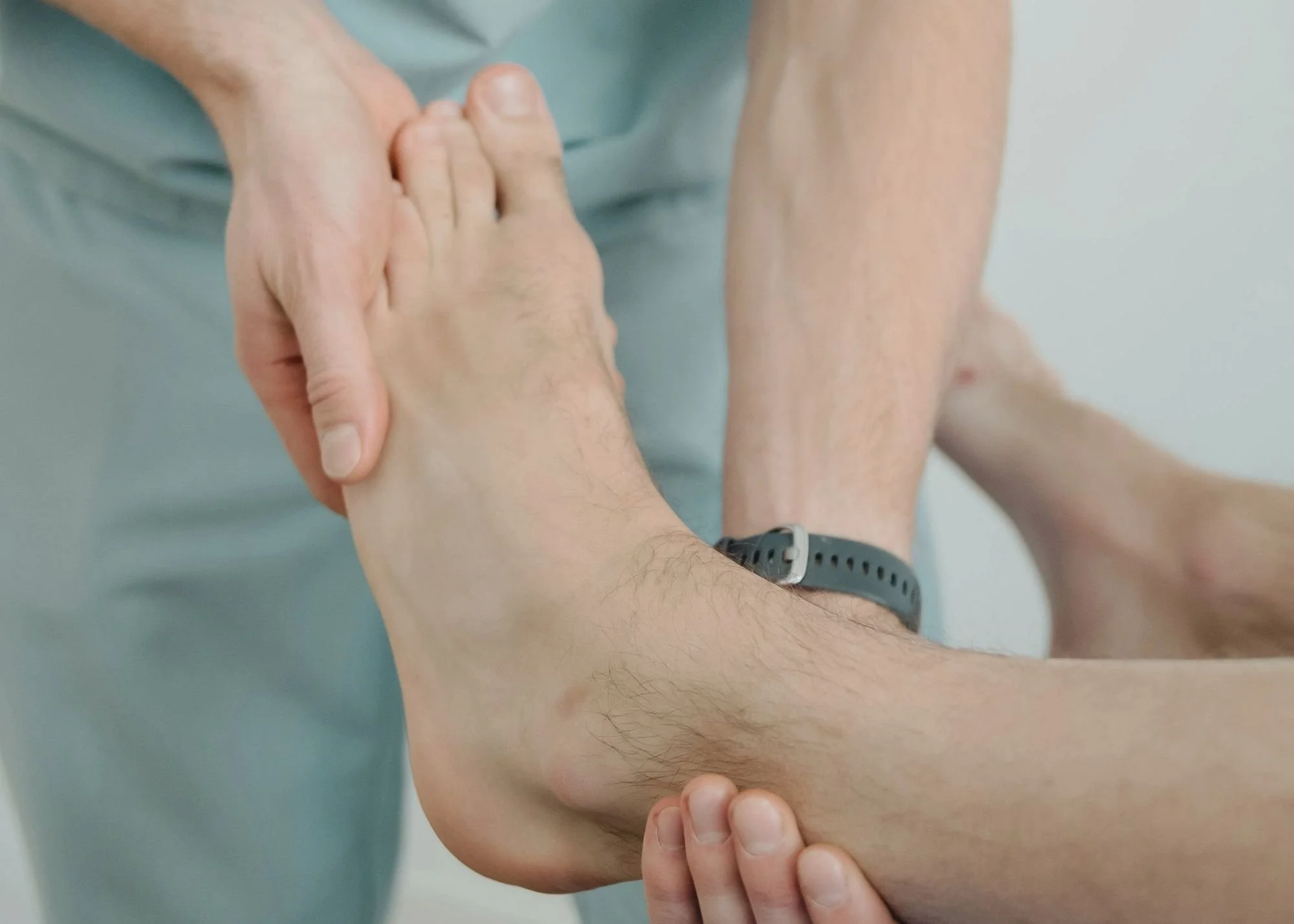
Discovering a lump in the arch of your foot is unsettling. Most people's first concern is whether it's something serious — and the good news is that plantar fibromas, while uncomfortable, are benign. They're not cancerous, they don't spread to other parts of the body, and they're entirely treatable.
That said, plantar fibromas don't simply disappear on their own, and they can grow uncomfortable enough to interfere with walking, running, and standing. Here's what causes these arch nodules, how they're diagnosed, and what treatment options are available.
What Is a Plantar Fibroma?
A plantar fibroma is a fibrous, knot-like growth that forms within the plantar fascia — the thick band of tissue that runs along the bottom of the foot from the heel to the toes. The nodule typically develops in the arch, where the plantar fascia is thickest, and can range from pea-sized to roughly the size of a marble.
Plantar fibromas are made of collagen and connective tissue, similar to the surrounding fascia but organized into a denser, harder mass. Some patients develop a single fibroma; others have multiple nodules in one or both feet. The condition involving multiple fibromas — sometimes accompanied by tightening of the fascia — is called Ledderhose disease, or plantar fibromatosis.
What Causes Plantar Fibromas?
The exact cause of plantar fibromas isn't fully understood, but several factors appear to contribute:
Genetics. A family history of plantar fibromas, Dupuytren's contracture (a similar condition affecting the hand), or other fibrous tissue disorders increases risk.
Repetitive trauma. Some researchers believe small, repeated injuries to the plantar fascia trigger an excessive healing response that produces nodules instead of normal scar tissue.
Underlying medical conditions. Diabetes, epilepsy treated with certain medications, chronic liver disease, and alcohol use disorder are all associated with higher rates of plantar fibroma.
Foot biomechanics. Abnormal stress patterns on the plantar fascia, such as those caused by flat feet or high arches, may contribute to nodule formation.
In many cases, a plantar fibroma develops without any clear trigger, particularly in middle-aged adults.
Symptoms of a Plantar Fibroma
The defining feature of a plantar fibroma is a firm lump felt in the arch of the foot. The size, number, and tenderness of nodules vary considerably:
A noticeable bump in the arch — often discovered while walking barefoot or during a foot massage
Pain that worsens with weight-bearing activities, particularly when shoes press against the nodule
Discomfort when walking barefoot on hard surfaces
Tightness or pulling sensation along the arch
Multiple lumps in some cases (more typical of Ledderhose disease)
Many plantar fibromas are painless and only become problematic when they grow large enough to be compressed by footwear or impact the ground during walking.
How Is a Plantar Fibroma Diagnosed?
A podiatrist can usually diagnose a plantar fibroma through physical examination alone. The characteristic location, texture, and patient symptoms typically make the diagnosis straightforward. When more clarity is needed, imaging studies help:
Ultrasound. Often the first imaging test, ultrasound clearly shows the nodule, its size, and its relationship to surrounding structures.
MRI. Provides detailed imaging when there's any concern about the nature of the mass or when surgery is being considered.
Biopsy. Rarely needed, but can confirm the diagnosis if there's any uncertainty about whether the lump is benign.
Conservative Treatment Options
Most plantar fibromas can be managed without surgery. Conservative treatments aim to reduce the size of the nodule, relieve pain, and prevent the fibroma from growing larger or interfering with walking.
Custom Orthotics
Custom orthotics with cutouts or pads positioned around the fibroma redistribute pressure away from the nodule, reducing pain during weight-bearing. This is often the first-line treatment and produces meaningful relief for most patients.
Corticosteroid Injections
Steroid injections into the fibroma can reduce inflammation, shrink the nodule, and provide significant pain relief. Multiple injections may be needed over time, and the response varies by patient.
Topical Anti-Inflammatory Therapies
Some patients benefit from topical anti-inflammatory creams or compounded medications applied directly over the fibroma, though evidence for these treatments is more limited than for orthotics or injections.
Physical Therapy
Stretching the plantar fascia and calf muscles can reduce tension across the fibroma. A physical therapist may also use modalities like ultrasound therapy or specific massage techniques.
Footwear Modifications
Shoes with adequate cushioning, a wide toe box, and strong arch support reduce pressure on the fibroma. Avoiding tight or unsupportive shoes — particularly going barefoot on hard floors — helps prevent flare-ups.
When Surgery Is Considered
Surgical removal of a plantar fibroma — called fasciectomy — is reserved for cases where conservative treatment hasn't provided adequate relief and the fibroma significantly impairs daily activities. Foot surgery for plantar fibromas is more involved than many patients expect:
Recovery typically takes 4 to 6 weeks before returning to normal activity
Recurrence rates are higher for plantar fibromas than for many other foot tumors — the fibroma can return at the surgical site
Wider excision reduces recurrence risk but increases recovery time
Skin grafting may be necessary for larger fibromas
For these reasons, surgery is typically considered a last-resort option after conservative measures have been tried.
Plantar Fibroma vs. Plantar Fasciitis
Both conditions affect the plantar fascia, but they're distinct problems:
Plantar fibroma: A discrete, palpable nodule in the arch.
Plantar fasciitis: Inflammation of the entire plantar fascia, with pain typically focused at the heel rather than the arch.
It's possible to have both conditions simultaneously, which is one reason an accurate diagnosis matters before starting treatment.
When to See a Podiatrist
Schedule an evaluation if you notice:
A new lump in the arch of your foot
Pain that's interfering with walking or daily activities
Multiple nodules developing in one or both feet
A nodule that's growing rapidly
Difficulty finding shoes that don't aggravate the area
Plantar fibromas are highly manageable when caught early. At Table Mountain Foot and Ankle, we evaluate arch nodules and tailor treatment to your specific situation — whether that's custom orthotics designed around your fibroma, injection therapy, or a referral for surgical consultation when needed.
Schedule an appointment to address foot arch lumps before they limit your activities.