Toenail Fungus: Treatment Options, Contagion Risks, and Prevention
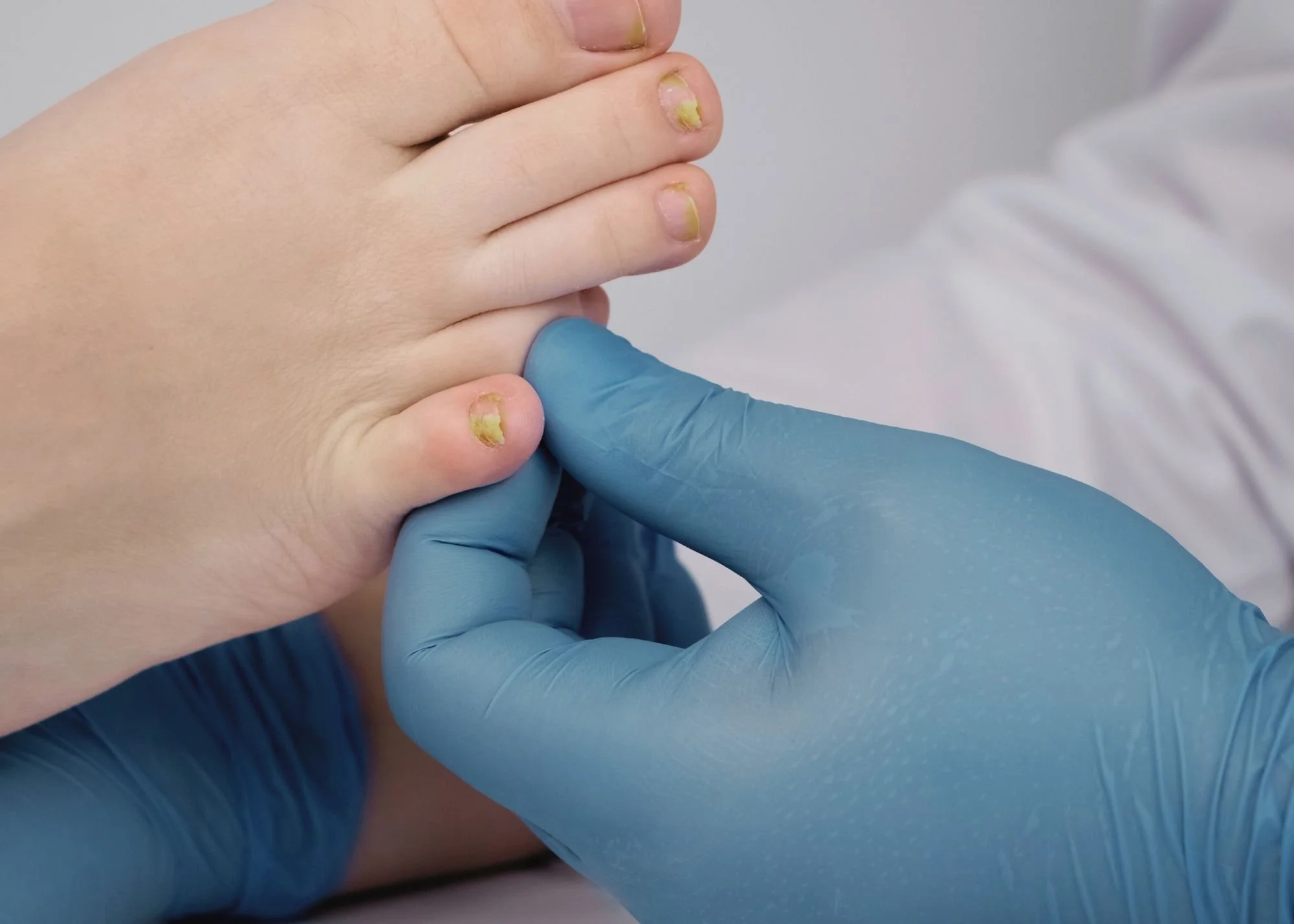
Toenail fungus is one of those conditions people avoid talking about — and avoid treating — for years. The infection looks unsightly, it doesn't hurt initially, and the early-stage discoloration is easy to dismiss as "probably just bruising." By the time most patients seek treatment, the fungus has been entrenched for so long that it requires real time and patience to clear.
Here's what toenail fungus actually is, how you got it, why it's so hard to get rid of, and the treatment options that work — including some that don't get talked about enough.
What Is Toenail Fungus?
Toenail fungus, medically called onychomycosis, is a fungal infection of the nail bed and the nail itself. The most common culprits are dermatophytes — the same family of fungi that cause athlete's foot. Yeast and mold infections also occur but are less common. Once the fungus establishes itself under or within the nail, it slowly digests the keratin that gives the nail its structure.
The infection typically starts at the edge of the nail and works its way inward. Over months or years, it can spread to involve the entire nail, then the surrounding skin, then adjacent toes.
Symptoms of Toenail Fungus
Toenail fungus presents differently depending on the stage and the type of fungus involved:
Yellow, brown, white, or green discoloration of the nail
Thickening of the nail
Brittle, crumbling, or ragged edges
Distortion of the nail's shape
Debris building up under the nail
Separation of the nail from the nail bed (onycholysis)
A foul smell from the affected nail
Pain in advanced cases, particularly with shoe pressure
Early infections often appear as a small white or yellow spot near the nail tip. Many patients don't notice until the infection covers a significant portion of the nail.
How Did You Get It? Understanding Contagion
Toenail fungus is contagious — but the way it spreads is more nuanced than most people realize. Understanding the transmission pathways helps prevent reinfection after treatment and protects others in your household.
Common Sources of Infection
Warm, damp public spaces. Locker rooms, public showers, swimming pool decks, gym floors, and yoga studios are prime fungal habitats. Walking barefoot in these spaces is the single most common way people pick up nail fungus.
Pedicure tools and salons. Improperly sterilized instruments at nail salons can transmit fungus from one client to another. Reputable salons follow strict sterilization protocols, but many don't.
Sharing footwear. Borrowing shoes, slippers, or athletic equipment that has been worn by someone with toenail fungus or athlete's foot.
Your own infected shoes and socks. Once you've had toenail fungus, your shoes become a reservoir of fungal spores. Wearing them after treatment is one of the leading causes of reinfection.
Athlete's foot spreading to nails. A skin fungal infection between the toes can migrate to the nail bed if untreated. Many cases of toenail fungus start as athlete's foot.
Risk Factors That Make You More Susceptible
Age (toenail fungus is much more common after 60)
Diabetes or compromised circulation
A weakened immune system
Sweaty feet or hyperhidrosis
Wearing closed-toe shoes for extended periods
Trauma to the nail (subungual hematoma, repeated impact from running)
Existing skin or nail conditions (psoriasis, eczema)
Previous nail fungus infection
Family history (genetic susceptibility plays a role)
Why It's So Hard to Treat
Three biological realities make toenail fungus particularly stubborn:
The nail is a barrier. The hard nail plate sits between topical medications and the fungus living beneath it. Most topical treatments don't penetrate effectively.
Slow nail growth. Toenails grow about 1mm per month. Even with effective treatment, you have to wait for the entire infected nail to grow out before you see clear results — which can take 12 to 18 months for a big toenail.
Fungus is everywhere. Reinfection from contaminated shoes, gym floors, or untreated athlete's foot is extremely common. Treating the nail without addressing reinfection sources usually fails.
Treatment Options
A range of treatments exists, and the best choice depends on the severity of the infection, your overall health, and your preferences. A podiatrist can match the right approach to your situation.
Topical Antifungals
Prescription topical medications like efinaconazole (Jublia), tavaborole (Kerydin), and ciclopirox (Penlac) are applied directly to the affected nail daily. They work best for mild to moderate infections and require consistent application for 6 to 12 months. Cure rates are modest (15% to 35% complete cure) but they're safe and have few side effects.
Oral Antifungals
Oral medications — terbinafine (Lamisil) and itraconazole (Sporanox) are most common — work systemically and have higher cure rates than topicals (40% to 70%). Treatment courses run 6 to 12 weeks, but improvement continues as the new nail grows. Oral antifungals require liver function monitoring and can interact with other medications, so they're not appropriate for everyone.
Laser Therapy
Laser treatment uses focused light to heat and damage fungal cells beneath the nail. It's painless, has no systemic side effects, and is appropriate for patients who can't take oral medications. Multiple sessions are typically needed, and effectiveness varies. Insurance coverage is limited because the FDA approval is for "temporary increase in clear nail."
Nail Removal
In severe or treatment-resistant cases, surgical or chemical removal of the affected nail allows topical antifungals to reach the nail bed directly. The nail typically regrows over 9 to 18 months — clear, if the underlying infection is eliminated.
Combination Approaches
For stubborn infections, podiatrists often combine treatments: oral antifungal plus topical, laser plus topical, or nail debridement (thinning) plus medication. Combination therapy generally produces better results than any single approach.
Special Considerations for Diabetic Patients
For patients with diabetes, toenail fungus is more than a cosmetic issue. Thickened, infected nails can cause skin breakdown, infection, and ulceration that can lead to serious complications. Aggressive treatment and ongoing podiatric monitoring are essential. Self-treating with over-the-counter remedies isn't appropriate for diabetic patients — professional care is the standard.
Prevention: Keeping Fungus Away
Whether you've never had toenail fungus or you've just finished treatment and want to prevent recurrence:
Always wear shower shoes or flip-flops in locker rooms, public showers, and pool areas
Keep feet clean and thoroughly dry, especially between the toes
Change socks if they become damp during the day
Wear moisture-wicking socks for athletic activities
Alternate shoes — let them dry for 24 hours between wearings
Treat athlete's foot promptly to prevent migration to the nails
Trim nails straight across and not too short
Don't share nail clippers, files, or footwear
Use antifungal sprays or powders in shoes if you've had previous infections
Choose nail salons that visibly sterilize tools, or bring your own
Replace old shoes that have been worn during a fungal infection
Use UV shoe sanitizers if you're prone to recurrent infections
What Doesn't Work (and What to Avoid)
A few things to skip:
Vinegar soaks (popular but ineffective for established infections)
Tea tree oil alone (modest evidence; not enough as a standalone treatment)
Vicks VapoRub (anecdotal evidence only; rarely cures)
"Dr. Internet" home remedies that delay real treatment
Treating without identifying the cause (sometimes nail discoloration isn't fungus at all — could be psoriasis, trauma, or melanoma)
When to See a Podiatrist
Make an appointment for any toenail discoloration, thickening, or distortion that doesn't resolve within a few weeks. Earlier treatment is dramatically more successful than treatment of long-standing infections. Patients with diabetes, circulatory problems, or compromised immune systems should always have toenail changes evaluated promptly.
At Table Mountain Foot and Ankle, we offer the full range of toenail fungus treatments — from topical and oral medications to advanced therapies — and we'll match the right approach to your specific infection and overall health. Schedule an appointment to start clearing this for good.