Ingrown Toenails: Causes, Treatment, and How to Prevent Recurrence
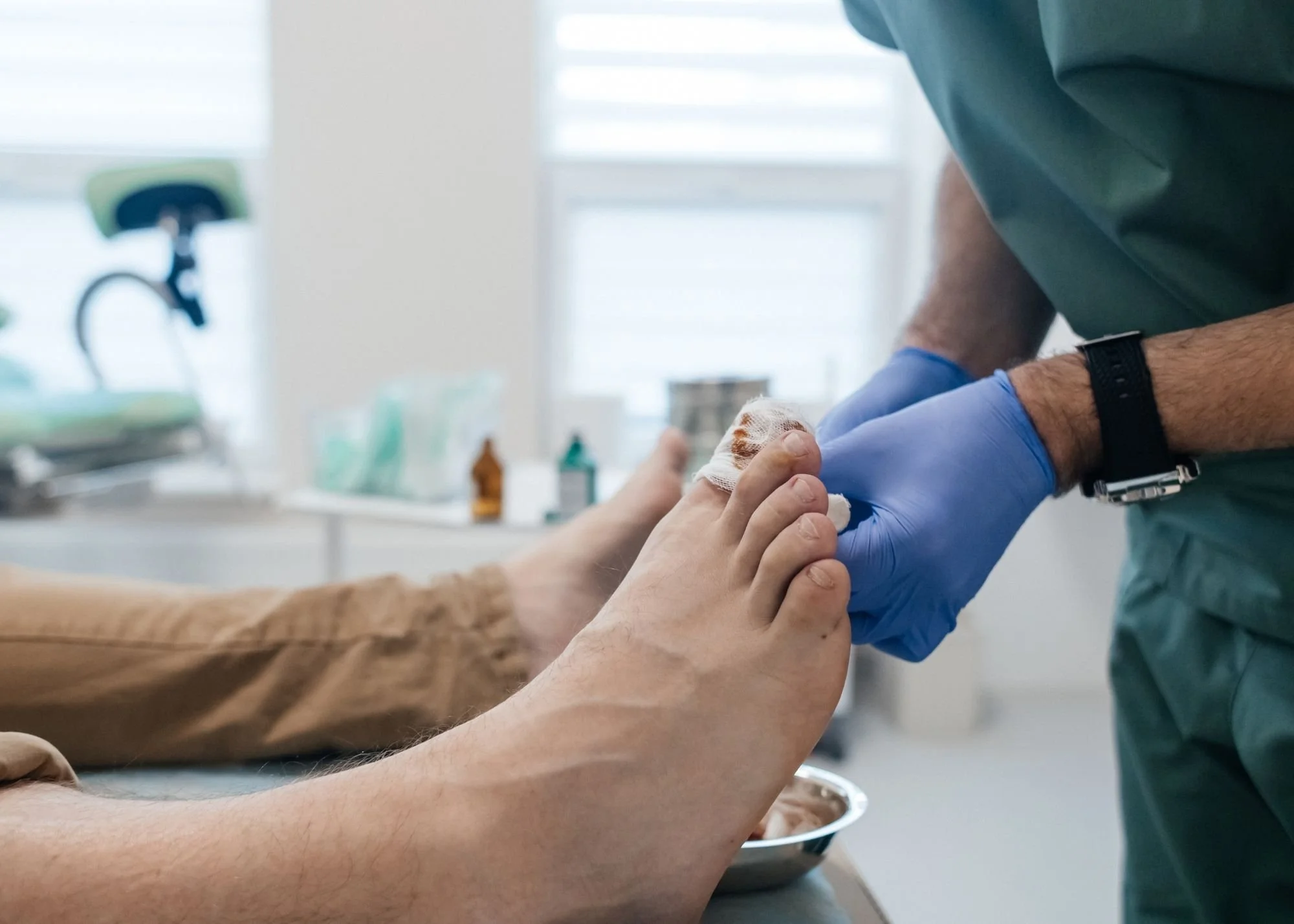
For something so small, an ingrown toenail can produce a remarkable amount of misery. The pain is often disproportionate to what you'd expect from such a tiny problem, the infection risk is real, and the recurrence rate without proper treatment is high. Understanding what causes ingrown toenails — and what actually fixes them long-term — saves a lot of unnecessary suffering.
What Is an Ingrown Toenail?
An ingrown toenail (onychocryptosis) occurs when the edge of a toenail grows into the surrounding skin instead of out and over it. The big toe is most commonly affected, though any toe can develop the problem.
Once the nail edge enters the skin, the body responds with inflammation, redness, swelling, and pain. If bacteria enter through the resulting break in the skin, infection can develop quickly.
What Causes Ingrown Toenails
Improper Nail Trimming
Cutting nails too short
Rounding the corners (curving the cut)
Tearing or picking nails instead of cutting
Cutting nails on an angle
Nails should be trimmed straight across with edges only slightly rounded with a file.
Footwear Issues
Shoes too tight at the toe
Shoes too short overall
Shoes that compress toes against each other
Athletic shoes that don't allow toes to splay
Trauma
Stubbing the toe
Dropping something heavy on the toe
Repetitive trauma from running or sports
Pedicure damage
Genetic Factors
Inherited nail shape (curved or "pincer" nails)
Inherited nail thickness
Family patterns of recurrent ingrown nails
Other Contributors
Hyperhidrosis (excessive sweating) softening the skin around the nail
Fungal nail infections distorting nail growth
Diabetes (associated with various nail issues)
Activities involving repetitive impact (running, soccer, ballet)
Symptoms and Stages
Stage 1: Mild Inflammation
Tenderness when the nail edge is pressed
Mild redness along the side of the nail
Slight swelling
Pain in shoes
Stage 2: Established Inflammation
Significant redness and swelling
Pain with light pressure
Drainage of clear or pus-like fluid
Visible nail edge embedded in the skin
Stage 3: Granulation and Chronic Infection
Overgrowth of inflamed tissue (proud flesh)
Persistent drainage
Bleeding with pressure
Significant pain interfering with walking
Risk of spreading infection
Treatment Options
Conservative Care for Mild Cases
Stage 1 ingrown nails sometimes respond to:
Soaking the foot in warm water with Epsom salt 2-3 times daily
Gently lifting the nail edge from the skin
Placing a small piece of cotton or dental floss under the nail edge
Applying topical antibiotic ointment
Wearing open-toed or wide shoes during recovery
Trimming the nail straight across once it grows out
This approach can work for mild, occasional ingrown nails, but it requires patience and consistency.
Professional Treatment
For more advanced cases or recurrent ingrown nails, podiatric treatment is more effective:
Partial nail avulsion. A simple in-office procedure where the affected portion of the nail is numbed and removed. Provides immediate relief and allows healing.
Permanent nail edge removal (matrixectomy). For recurrent ingrown nails, the nail edge is removed and the underlying nail-growing tissue (matrix) is destroyed with a chemical agent. Prevents the nail from regrowing in that area. Has a >95% long-term success rate.
Antibiotic treatment. For infected ingrown nails, oral antibiotics may be needed alongside the procedure.
Drainage of any abscess. If pus has accumulated.
In-office procedures take 15-30 minutes, are performed under local anesthesia, and most patients return to normal activities within a few days.
Special Considerations for Diabetic Patients
For patients with diabetes, ingrown toenails should never be self-treated. The combination of impaired healing, neuropathy, and infection risk means even small ingrown nails can lead to serious complications. Professional care from the start is the appropriate standard.
Prevention
Trim nails straight across, not curved
Don't cut nails too short — the edge should clear the skin
File rough edges smooth
Wear shoes with adequate toe room
Choose moisture-wicking socks
Protect feet during sports
Address fungal nail infections promptly
See a podiatrist for nail care if you have neuropathy or vision issues
When to See a Podiatrist
Pain interferes with walking or wearing shoes
Signs of infection (significant redness, drainage, fever)
Home treatment hasn't resolved the problem in a few days
You have recurrent ingrown nails
You have diabetes, neuropathy, or circulation problems
Granulation tissue (proud flesh) has developed
At Table Mountain Foot and Ankle, we resolve ingrown toenails efficiently — including recurrent cases that need permanent solutions. Schedule an appointment to address ingrown nails before they become infections.