What Custom Orthotics Can Actually Accomplish (and What They Can't)
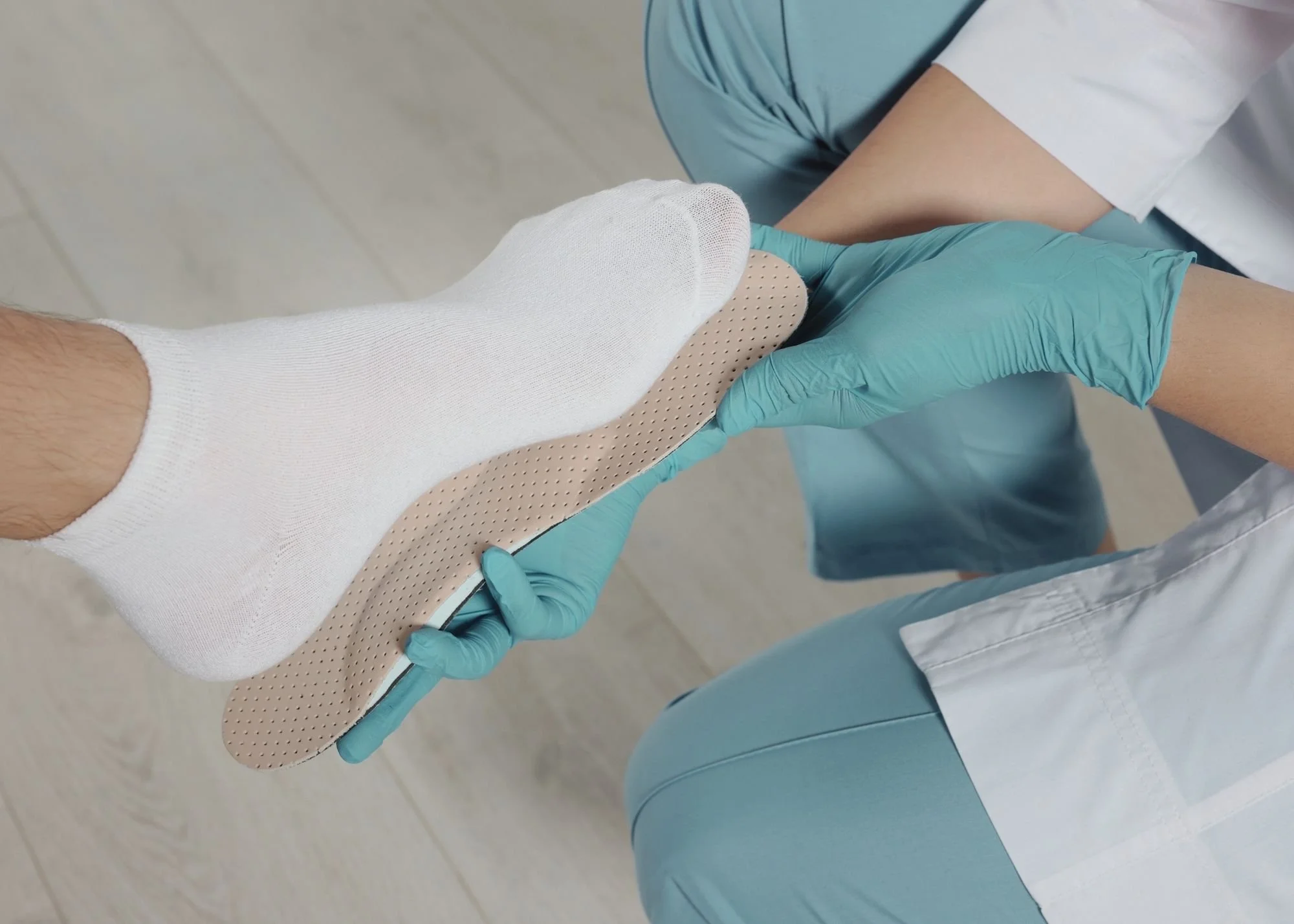
There's a strange paradox in how patients view custom orthotics. Some patients consider them magic — expecting a single device to solve every foot problem they've ever had. Others are skeptical that an insole could possibly justify the cost when the drugstore is full of $30 alternatives. Both perspectives miss what orthotics actually are: precise medical devices that, when properly designed and prescribed, address specific biomechanical problems with predictable results — but they can't do everything, and they're not the right answer for every foot complaint.
What Orthotics Actually Are
A custom orthotic is a medical device shaped to your specific foot, designed to:
Realign your foot mechanics during weight-bearing
Distribute pressure away from problem areas
Support specific structures (like a fallen arch or weak posterior tibial tendon)
Cushion sensitive areas
Accommodate deformities
Reduce strain on specific tissues
They're prescribed based on a thorough biomechanical examination, gait analysis, and identification of the specific problems they need to address. The fabrication uses an impression or scan of your specific foot.
Custom Orthotics vs. Over-the-Counter Insoles
Drugstore insoles serve a purpose — they provide cushioning and modest support, and they're fine for healthy feet that just need a bit more comfort. But they're fundamentally different from custom orthotics:
Generic shape vs. custom-fit. Drugstore insoles are designed to fit average feet. Custom orthotics fit your specific foot.
Cushioning vs. correction. Generic insoles cushion. Custom orthotics correct or accommodate specific biomechanical problems.
Materials. Custom orthotics use prescription-grade materials chosen for your specific needs (rigidity, semi-rigidity, accommodative softness).
Durability. Quality custom orthotics last 3-5+ years. Drugstore insoles typically need replacement every few months.
Specific problem-targeting. Custom orthotics include specific features (metatarsal pads, posting, cutouts, accommodative pads) targeting your exact issues.
What Orthotics Can Accomplish
For appropriate conditions, custom orthotics produce significant results:
Pain Relief
Plantar fasciitis — supporting the arch reduces fascia strain
Heel pain
Metatarsalgia (forefoot pain)
Knee pain related to overpronation
Lower back pain related to gait abnormalities
Achilles tendon pain
Specific bone bruising or stress patterns
Improved Function
Better gait mechanics
Reduced overpronation in flat feet
Compensation for leg length discrepancy
Improved athletic performance
Reduced fatigue from prolonged standing or walking
Prevention of Progression
Reducing risk of overuse injuries
Preventing diabetic foot ulcers in high-risk patients
Reducing recurrent ankle sprains
Accommodation
Offloading painful areas (sesamoids, neuromas, calluses)
Accommodating rigid deformities (rigid hammertoes, fused joints)
Pressure redistribution for diabetic feet
Post-surgical support
What Orthotics Can't Do
Equally important is being honest about limitations:
They don't reverse existing structural deformities (a rigid bunion won't straighten with orthotics)
They don't cure arthritis (though they can reduce pain)
They don't replace surgical treatment for severe deformities
They don't improve fitness or muscle weakness on their own
They don't resolve all forms of foot pain (some pain has causes orthotics can't address)
They don't produce overnight results — adaptation takes weeks
They don't work in every shoe (some require shoes with appropriate volume)
A good orthotic prescription comes with realistic expectations about what it will and won't accomplish.
Common Conditions That Benefit
Plantar fasciitis and heel pain
Flat feet with symptoms
Posterior tibial tendon dysfunction
High arches with pain or instability
Morton's neuroma
Sesamoiditis
Metatarsalgia
Bunions (early to moderate)
Hammertoes (flexible)
Diabetic foot care (preventive)
Recurrent ankle sprains
Achilles tendinopathy
Knee, hip, or back pain related to foot mechanics
Various sports-specific applications
How Orthotics Are Made
A proper custom orthotic process includes:
Comprehensive biomechanical examination
Gait analysis
Identification of specific problems and treatment goals
Selection of appropriate materials and design features
Casting or scanning of the foot in a corrected position
Laboratory fabrication to specifications
Fitting and adjustments
Follow-up to assess effectiveness and refine if needed
Quality orthotics typically take 2-4 weeks to fabricate from the time of casting.
The Adaptation Period
Custom orthotics aren't worn full-time from day one:
Start with 1-2 hours daily
Add 1-2 hours every few days
Reach full-time wear within 2-3 weeks for most patients
Some pressure or unusual sensations during adaptation are normal
Significant pain or sores indicate adjustments are needed
Full benefit may take 4-6 weeks to appreciate
Sport and Activity Specific Orthotics
Athletes — particularly the running community of Boulder and the Front Range — often benefit from orthotics specifically designed for their sport. Our sports medicine approach considers the specific demands of your activities when designing orthotics for active patients.
Cost and Insurance
Custom orthotics are an investment — typically several hundred dollars or more. Insurance coverage varies:
Some plans cover orthotics for specific medical conditions
Diabetic patients may have separate coverage for therapeutic shoes and inserts
HSA/FSA accounts can be used for orthotics
Quality orthotics typically last 3-5+ years, making the cost per use reasonable
When to Consider Custom Orthotics
Persistent foot, ankle, knee, or back pain
Diagnosed conditions that benefit from orthotic management
Over-the-counter insoles haven't resolved your symptoms
You have foot deformities affecting your function
You're an athlete dealing with recurrent injuries
You have diabetes and are at risk for foot complications
You've had foot surgery and need ongoing support
At Table Mountain Foot and Ankle, we evaluate whether custom orthotics are right for your specific situation — and we're honest when they're not the answer. Schedule an appointment to understand whether orthotics would help your specific foot complaint.