Foot Blisters: Causes, Care, and Prevention for Active Coloradans
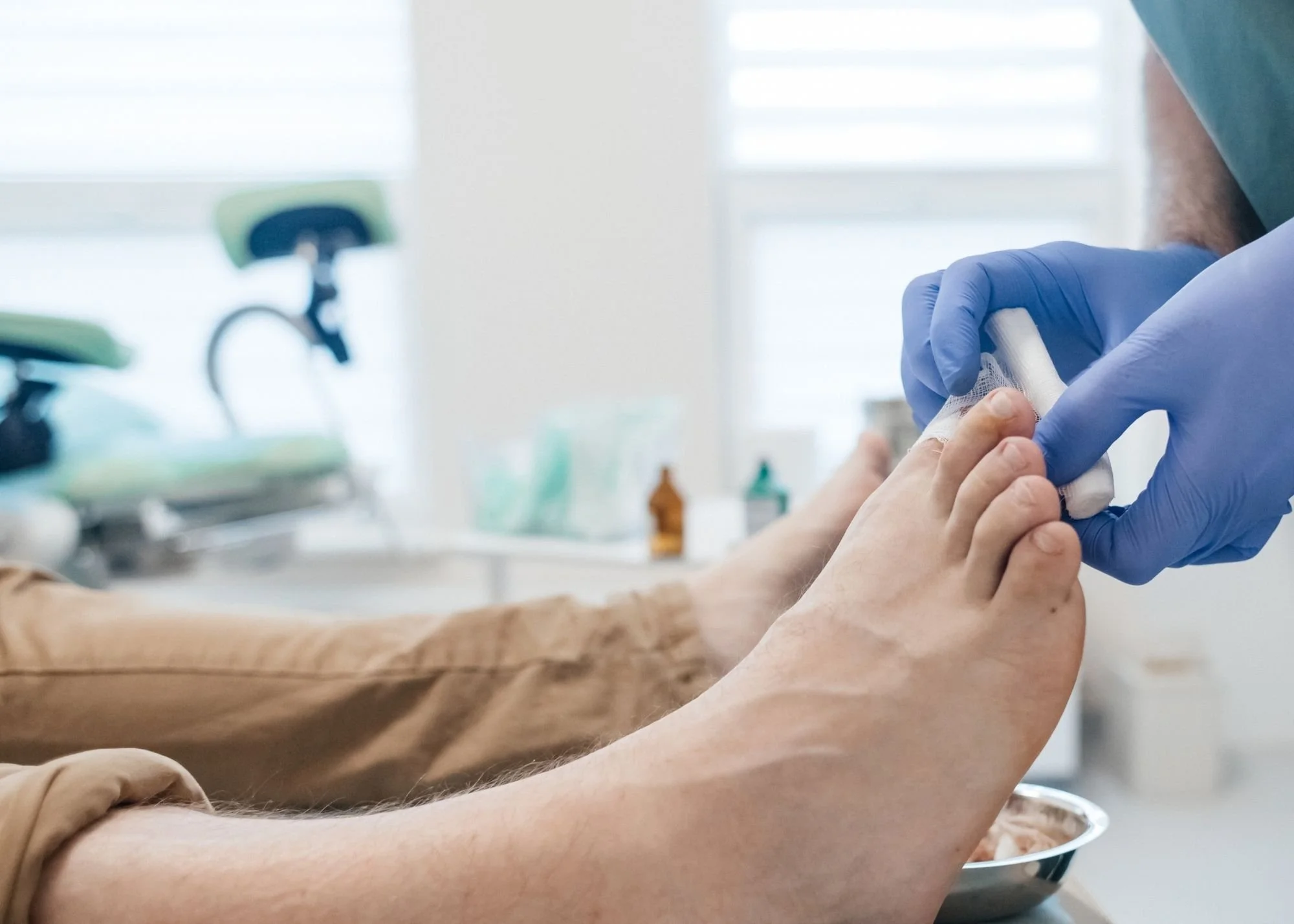
Foot blisters are a familiar enemy for anyone who hikes the Colorado backcountry, runs the local trails, or breaks in new shoes for any reason. They're usually minor and self-resolving — but for an aggressive ultramarathoner mid-race or a backpacker on day three of a five-day trip, a blister can become a serious problem. And for diabetic patients or people with compromised circulation, what looks like a simple blister can lead to complications.
Understanding why blisters form, how to handle them when they appear, and how to prevent them from happening in the first place is foundational foot care for active people.
What Is a Blister?
A blister is a small pocket of fluid that forms between layers of the skin. The fluid is typically plasma (clear) but can include blood (blood blister) when small vessels are damaged.
The body creates blisters as a protective response. When friction, heat, chemicals, or other irritants damage the upper layers of skin, the body separates those damaged layers from the healthy tissue underneath and floods the space with fluid to cushion and protect the deeper skin while it heals.
Common Causes of Foot Blisters
Friction
The most common cause. When something rubs repetitively against the skin — usually a shoe, sock, or another part of the foot — the constant friction damages the skin's upper layers and triggers blister formation.
Heat and Burns
Hot pavement on bare feet
Sand burns from beach walking
Water that's too hot
Heating pads left on too long (particularly dangerous for those with neuropathy)
Cold Injury
Frostbite blisters
Skin damage from prolonged cold exposure
Chemical Irritation
Reaction to topical products
Contact with irritating substances
Some over-the-counter wart removers used incorrectly
Medical Conditions
Athlete's foot blisters
Bullous impetigo (bacterial infection)
Bullous diabeticorum (spontaneous diabetic blisters)
Pemphigus and other autoimmune blistering disorders
Allergic contact dermatitis
Burns from sun exposure
Friction Blister Risk Factors
Friction blisters happen when conditions converge:
New or ill-fitting shoes. The most common scenario.
Moisture. Wet skin is much more susceptible to friction damage than dry skin. Sweaty feet, river crossings, rainstorms.
Heat. Higher temperatures soften skin and increase friction.
Distance and repetition. The longer the activity, the more friction accumulates. A long-distance hiker faces fundamentally different risk than someone walking around the block.
Foot deformities. Bunions, hammertoes, and other structural issues create pressure points where blisters form.
Treatment
Intact Blisters
The general rule: leave intact blisters alone if possible. The skin is the body's natural bandage, and intact blisters are at much lower risk for infection. Care includes:
Protecting with a soft pad or moleskin around (not over) the blister
Using blister-specific bandages designed to cushion
Avoiding the activity that caused the blister until healed
Keeping the area clean and dry
When to Drain a Blister
If the blister is large, painful, or in a location where continued pressure is unavoidable:
Wash hands and the blister area thoroughly
Sterilize a needle or pin with alcohol
Make a small puncture at the edge of the blister
Gently press the fluid out, leaving the skin in place
Apply antibiotic ointment
Cover with a clean bandage
Replace the dressing daily and watch for infection
Never drain blisters caused by burns, those associated with significant medical conditions, or any blister in a diabetic patient — these need professional care.
Broken Blisters
Once a blister breaks naturally:
Clean gently with mild soap and water
Apply antibiotic ointment
Cover with a clean bandage
Don't remove the loose skin — let it dry out and fall off naturally
Watch for signs of infection (increased redness, warmth, drainage, fever)
Special Considerations for Diabetic Patients
For patients with diabetes, any blister deserves attention. The combination of neuropathy (you may not feel a blister forming or breaking) and impaired healing means small blisters can escalate to ulcers and serious infections. Daily foot inspection, properly fitting shoes, and prompt evaluation of any skin breakdown are essential.
Preventing Foot Blisters
Footwear
Make sure shoes fit properly — measured, with adequate length and width
Break in new shoes gradually before long activities
Avoid shoes with internal seams in pressure-prone areas
Choose materials appropriate for your activity
Socks
Wear moisture-wicking synthetic or wool socks (avoid cotton for athletic activities)
Choose seamless socks if you're prone to blisters
Try double-layer socks designed to absorb friction internally
Change socks if they become wet
Foot Preparation
Apply lubricants (petroleum jelly, specialized blister-prevention products) to high-friction areas
Use anti-chafing balms or powders
Pre-emptive moleskin or blister-prevention tape over known problem areas
Trim toenails appropriately
Treat existing skin issues (calluses, corns) before they create blister problems
For Long-Distance Activities
Address hot spots immediately — don't wait for blisters to form
Carry blister-prevention supplies
Remove shoes during breaks to let feet dry
Change socks during very long activities
Custom Orthotics for Recurrent Blister Problems
For runners or hikers with chronic blister issues in specific locations, custom orthotics may help by addressing the underlying biomechanics that create the friction in the first place. This is particularly relevant for blisters caused by foot deformities or gait abnormalities.
When to See a Podiatrist
Blisters are recurring in the same locations
Signs of infection (spreading redness, warmth, drainage, fever)
You have diabetes, neuropathy, or circulation problems
Blisters appeared without obvious cause
Multiple blisters or blisters with unusual appearance
Blisters from burns or chemical exposure
Blisters interfering with planned activities or training
At Table Mountain Foot and Ankle, our sports medicine team helps active patients manage and prevent blisters that interfere with training. Schedule an appointment if blisters are limiting your activities or you have risk factors that warrant professional care.