How Foot and Ankle Function Changes With Age
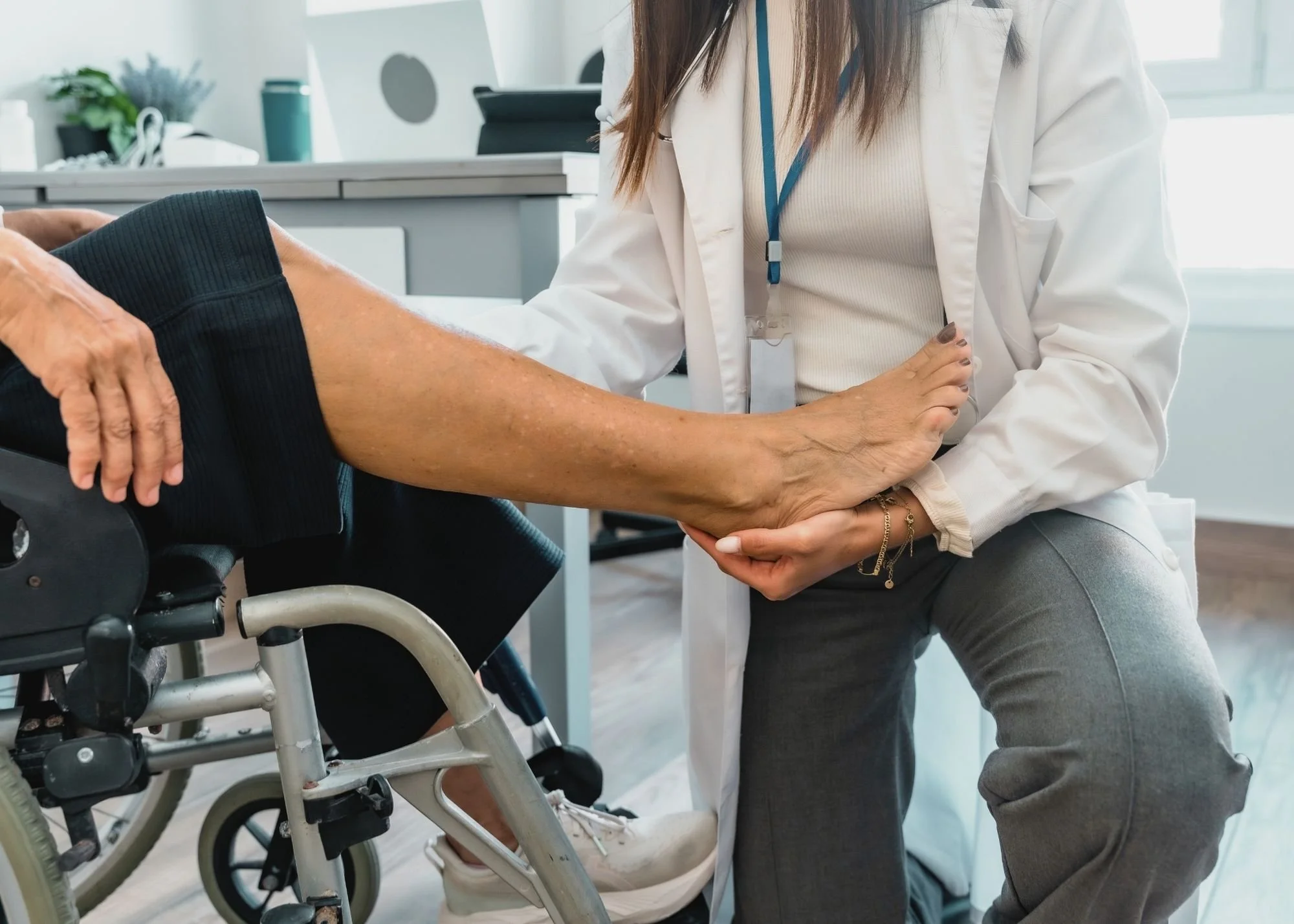
Feet change throughout life — and not always in obvious ways. The changes that happen as we age tend to be gradual enough that we adapt to them without noticing, but cumulative enough that, over decades, they significantly affect comfort, mobility, and balance. Understanding what's happening to your feet over time helps you address changes proactively rather than reactively.
Here's how feet change as we age, what to watch for, and what to do about it.
Structural Changes
Foot Size and Shape
Most people's feet get longer and wider as they age — typically by half a size or more between young adulthood and old age. The changes happen because:
Tendons and ligaments stretch over decades of weight-bearing
Arches gradually flatten in many people
The foot's natural padding redistributes
Collagen and connective tissue lose some of their resilience
This is why people who wore the same shoe size for 30 years suddenly find their old shoes don't fit. Refitting periodically — particularly after age 50 — prevents many problems.
Arch Changes
Arches tend to lower with age, particularly if posterior tibial tendon function declines. Some patients develop adult-acquired flatfoot deformity — a progressive condition that, if unaddressed, can become disabling. Catching arch changes early allows intervention while they're still flexible.
Joint Changes
Cartilage gradually wears in joints throughout the body, and the feet contain over 30 joints. Common patterns:
Big toe joint stiffness (hallux limitus, eventually rigidus)
Midfoot arthritis
Subtalar joint changes
Ankle arthritis (often post-traumatic from previous injuries)
These changes don't always cause pain, but they do reduce range of motion and change gait mechanics.
Soft Tissue Changes
Reduced Cushioning
The fat pad under the heel and ball of the foot thins over time. Without that natural cushioning, walking and standing become less comfortable, and patients become more susceptible to:
Heel pain
Metatarsalgia
Stress fractures
Skin breakdown over bony prominences
Decreased Tissue Elasticity
Skin becomes thinner and less elastic, making feet more vulnerable to:
Heel fissures (cracks)
Easy bruising
Slow healing
Tearing from minor trauma
Slower Healing
Healing slows with age due to reduced circulation, slower cell turnover, and other factors. What heals in days for a younger person may take weeks for an older patient.
Circulation and Sensation
Two of the most consequential age-related changes:
Reduced Circulation
Even without diabetes or vascular disease, circulation in the feet declines somewhat with age. The decline is gradual and often unnoticed, but it affects:
Healing speed
Susceptibility to cold injury
Risk of infection
Tissue resilience
More dramatic decline indicates peripheral arterial disease and warrants evaluation.
Diminished Sensation
Nerve function gradually declines with age. The feet — being farthest from the spinal cord — are often where this becomes apparent first. Reduced sensation means:
Greater fall risk (less feedback from the feet about ground surfaces)
Injuries you don't feel happening
Skin breakdown that progresses without notice
Difficulty distinguishing between hot and cold
Significant numbness or tingling indicates peripheral neuropathy and requires evaluation.
Nail and Skin Changes
Nails become thicker, more brittle, and harder to trim
Skin becomes drier, more prone to cracking
Calluses form more readily and may build up faster
Higher rates of fungal infections (both nail and skin)
Slower clearance of any nail or skin conditions
More age spots and pigment changes
Increased skin cancer risk on areas of sun exposure
Functional Changes
Balance
Foot-related balance receptors decline with age, contributing to fall risk. The combination of reduced sensation, weaker stabilizing muscles, and slower neural responses creates real vulnerability — and falls remain a major source of injury and disability in older adults.
Strength
Both intrinsic foot muscles and extrinsic muscles of the lower leg lose mass and strength with age. This affects:
Push-off power during walking
Stability during uneven surfaces
Ability to recover from balance perturbations
Endurance for activities
Flexibility
Tight calf muscles, restricted ankle motion, and reduced toe flexibility all become more common with age. These restrictions affect gait, increase pressure on certain foot structures, and make adaptation to uneven surfaces harder.
What to Address
See our companion piece on foot exercises and care for older adults for specific exercises and daily care strategies. The high-level priorities:
Daily Foot Care
Daily inspection for any changes
Moisturizing to maintain skin integrity
Proper nail trimming
Properly fitting shoes
Moisture-wicking socks
Never going barefoot
Activity Maintenance
Regular walking (best single activity for maintaining function)
Specific foot strengthening exercises
Calf and Achilles flexibility work
Balance exercises
Cross-training in low-impact activities (swimming, cycling)
Professional Care
Regular geriatric foot care visits, with frequency based on risk factors
Annual diabetic foot exams for those with diabetes
Prompt evaluation of any new symptoms or changes
Custom orthotics when biomechanical issues warrant them
Footwear assessment and recommendations
When Changes Aren't Normal
Some "age-related" changes are actually warning signs:
Sudden changes in foot shape or arch (suggests posterior tibial tendon dysfunction or Charcot foot)
New or worsening swelling
Wounds or sores that aren't healing
Significant numbness or tingling
Color changes (especially blue, purple, or unusually pale)
Loss of hair on toes or feet (vascular disease)
Sudden development of significant pain
Recent falls or near-falls
These warrant prompt evaluation rather than acceptance as inevitable aging.
Maintaining Independence
Foot health is closely tied to maintaining independence in older age. The patients who continue to walk, drive, exercise, and live independently into their 80s and 90s tend to have one thing in common: they've taken their feet seriously throughout their lives. Investing in foot care is investing in mobility, balance, and quality of life.
When to See a Podiatrist
Annual evaluation for general aging-related changes
Any new or worsening foot symptoms
Concerns about balance or gait
Diabetic foot care (annually at minimum)
Difficulty trimming nails or maintaining foot hygiene
Falls or near-falls
New foot deformities
Changes in shoe fit
At Table Mountain Foot and Ankle, geriatric foot care is one of our specialties. We work with older adults across Wheat Ridge and Boulder to maintain foot function, prevent complications, and keep mobility intact for as long as possible. Schedule an appointment to address aging-related foot changes proactively.