Athlete's Foot Infections: Recognizing, Treating, and Preventing Tinea Pedis
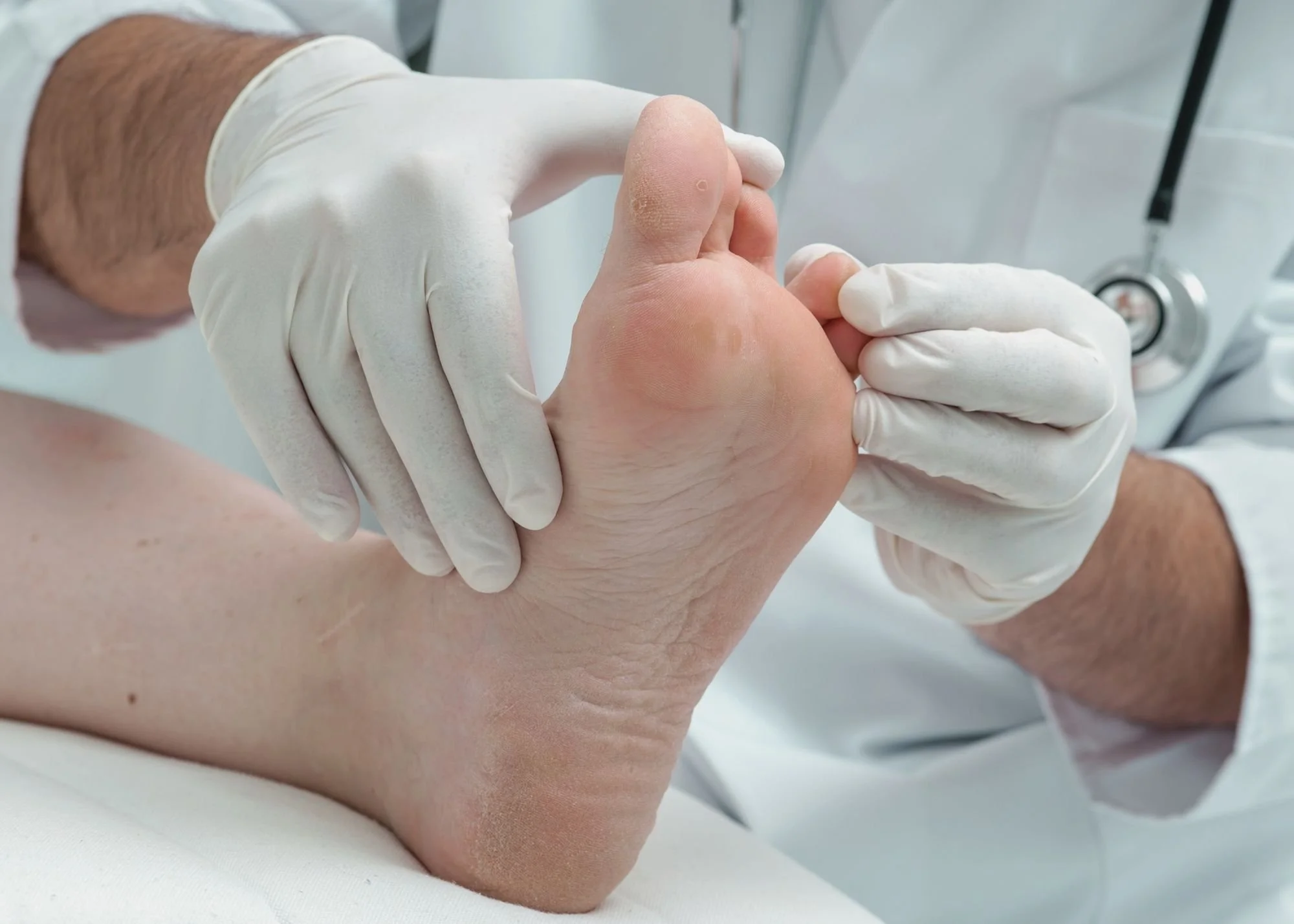
Athlete's foot is one of the most common skin conditions on the planet — at any given moment, an estimated 15-25% of the population has it. Despite the name, you don't have to be an athlete to get it. The condition affects everyone from teenagers to seniors, weekend hikers to office workers, and once you've had it, you're prone to recurrences. Understanding athlete's foot — what it is, how to treat it, and how to keep it from coming back — is foundational foot health knowledge.
What Is Athlete's Foot?
Athlete's foot, medically called tinea pedis, is a fungal infection of the skin of the feet. It's caused by dermatophytes — fungi that feed on keratin, the protein that makes up the outer layer of skin. The same family of fungi causes ringworm and jock itch.
The infection thrives in warm, moist environments. The combination of feet enclosed in shoes, sweat, and the natural moisture between toes creates ideal conditions for fungal growth.
Recognizing the Symptoms
Athlete's foot presents in several distinct patterns:
Toe Web Infection (Most Common)
Itching, burning, or stinging between the toes (especially between fourth and fifth toes)
Cracking, peeling, or scaling skin
White, soggy, macerated appearance in advanced cases
Foul odor
Sometimes painful fissures
Moccasin-Type Infection
Dry, scaling skin on the soles and sides of the feet
Mild redness
Skin that resembles a moccasin pattern across the foot
Can extend up the side of the foot
Often misdiagnosed as dry skin or eczema
Vesicular (Blistering) Infection
Sudden outbreak of small, fluid-filled blisters
Usually on the instep or sole
Intensely itchy
Can become secondarily infected with bacteria
Ulcerative Type
Open sores between the toes or on the foot
More common in immunocompromised patients
Higher risk of secondary bacterial infection
Requires aggressive treatment
How You Got It
The fungus spreads through direct contact with infected skin, surfaces, or objects:
Walking barefoot in locker rooms, public showers, swimming pool decks
Sharing towels, footwear, or socks with infected individuals
Yoga studios, gyms, and other communal warm spaces
Hotel carpets and bathrooms
Your own shoes after a previous infection
Some people are notably more susceptible — sweaty feet, compromised immune systems, diabetes, and certain skin conditions all increase risk.
Treatment
Over-the-Counter Treatments
Most uncomplicated cases respond to topical antifungals available without prescription:
Terbinafine (Lamisil AT) — generally most effective
Clotrimazole (Lotrimin)
Miconazole
Tolnaftate (Tinactin)
Apply twice daily for 2-4 weeks, even if symptoms resolve quickly — stopping early is the most common reason for recurrence. Dry feet thoroughly before application.
Prescription Treatments
For severe, persistent, or recurrent cases:
Stronger topical antifungals
Oral antifungal medications (terbinafine, itraconazole, fluconazole)
Combination treatments addressing secondary bacterial infections
Treatment of associated nail fungus, which can serve as an ongoing reservoir
If you have toenail fungus alongside athlete's foot, both must be treated simultaneously to prevent recurrence.
Special Considerations for Diabetic Patients
For patients with diabetes, athlete's foot is more than a nuisance. The skin breaks created by fungal infection are entry points for bacterial infections, which can become serious quickly. Self-treatment with over-the-counter products is appropriate only if you don't have neuropathy or vascular concerns. When in doubt, professional care is the standard.
Prevention
Wear shower shoes in locker rooms, public showers, and pool areas
Keep feet clean and thoroughly dry, especially between toes
Change socks if they become damp during the day
Wear moisture-wicking athletic socks (synthetic blends rather than cotton)
Alternate shoes — let each pair dry for 24 hours between wears
Use antifungal sprays or powders in shoes if you're prone to recurrences
Don't share footwear, socks, or towels
Treat any tinea infection (athlete's foot, ringworm, jock itch) promptly to prevent spread
Replace shoes that have housed previous infections
Consider UV shoe sanitizers for chronic recurrences
When to See a Podiatrist
Over-the-counter treatments aren't resolving the infection within 4 weeks
The infection is severe, painful, or rapidly spreading
You have diabetes, neuropathy, or compromised circulation
There's drainage or signs of bacterial superinfection
Skin breakdown is significant
You've had repeated recurrences
Athlete's foot is accompanied by toenail involvement
At Table Mountain Foot and Ankle, we treat resistant and complicated athlete's foot infections daily. Schedule an appointment if at-home treatment isn't working or if you have risk factors that warrant professional care.