Early-Onset Gout: Symptoms, Management, and What's Behind the Rising Rates
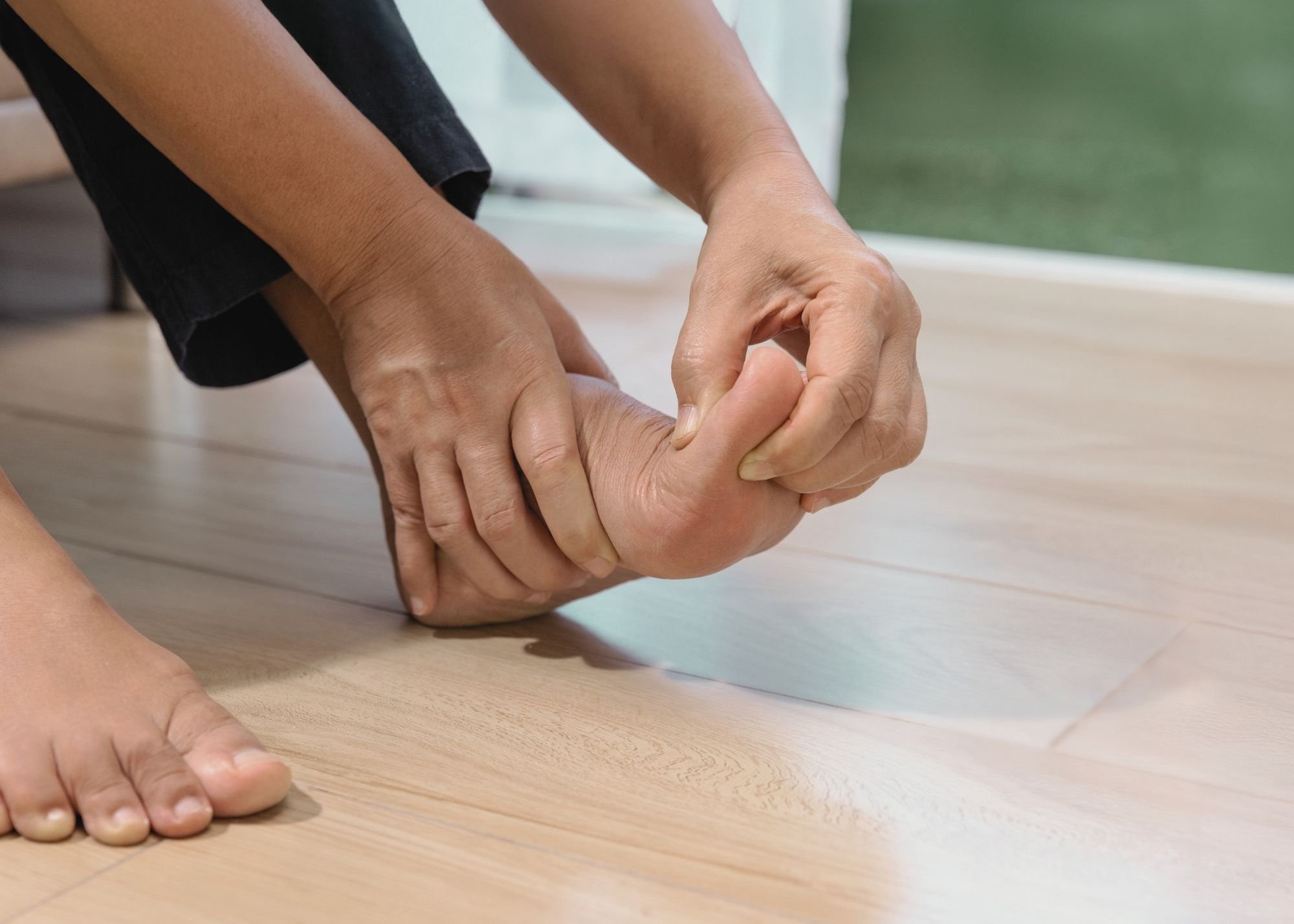
Gout used to be considered a disease of older men with rich diets — the "disease of kings." That stereotype is increasingly out of date. Gout is now appearing in patients in their 20s and 30s with significantly higher frequency than a generation ago, and the trajectory of the disease in younger adults can be more aggressive than in older patients.
Understanding gout — what it is, what triggers it, and how to manage it effectively — has become more relevant for more patients.
What Is Gout?
Gout is a form of inflammatory arthritis caused by the deposition of monosodium urate crystals in joint tissue. The crystals trigger an intense inflammatory response, producing the dramatic pain, redness, swelling, and warmth that characterize gout flares.
The underlying problem is hyperuricemia — high levels of uric acid in the blood. Uric acid is a normal byproduct of metabolizing certain foods (purines) and the body's own cell turnover. Most people excrete excess uric acid efficiently through the kidneys. People with gout either produce too much uric acid, excrete too little, or both. Once blood levels reach a threshold, the uric acid crystallizes in joint tissue.
Why Younger Adults Are Increasingly Affected
Several factors contribute to the rising rates of early-onset gout:
Dietary changes. Increased consumption of red meat, organ meats, shellfish, beer, and high-fructose corn syrup — all major drivers of uric acid production.
Obesity. A strong risk factor at any age, and rates have risen significantly in younger populations.
Metabolic syndrome. Insulin resistance reduces uric acid excretion.
Genetic predisposition. Gout often runs in families. Patients with family history may develop symptoms decades earlier than was once typical.
Medications. Certain diuretics, immunosuppressants, and other medications can elevate uric acid.
Recognizing a Gout Flare
A classic gout flare has distinctive features:
Sudden onset — often overnight
Affects a single joint at first (most commonly the big toe — a presentation called podagra)
Severe pain — often described as the worst pain the patient has experienced
Intense redness and warmth
Dramatic swelling
Extreme tenderness — even bedsheet pressure can be unbearable
Limited motion of the joint
Sometimes accompanied by mild fever
Beyond the big toe, gout can affect the ankle, knee, fingers, wrists, and elbows. Without treatment, an attack typically peaks within 12-24 hours and gradually subsides over a week or two. Early flares often resolve completely between attacks, but with time, flares may become more frequent, last longer, and involve multiple joints.
Diagnosis
Gout is diagnosed through:
Clinical examination of the affected joint
Blood tests measuring uric acid levels (though these can be normal during an acute attack)
Joint fluid analysis revealing the characteristic urate crystals (the gold standard)
X-rays in chronic cases showing characteristic erosive changes
Ultrasound to identify crystal deposits and tophi
Importantly, a single elevated uric acid level doesn't diagnose gout, and a normal level during an attack doesn't rule it out. The full clinical picture matters.
Treatment of Acute Gout Flares
NSAIDs. High-dose anti-inflammatory medications (indomethacin, naproxen) work well in patients without contraindications.
Colchicine. Most effective when started in the first 24 hours of a flare.
Corticosteroids. Oral, injected into the joint, or systemic steroids for severe attacks.
Ice. Reduces inflammation and pain.
Rest. Avoiding weight-bearing on the affected joint.
The faster treatment is initiated, the shorter and less severe the attack typically becomes.
Long-Term Management
Preventing recurrent attacks is the goal of long-term management:
Dietary Modifications
Reduce purine-rich foods (red meat, organ meats, shellfish, anchovies)
Limit alcohol, especially beer
Avoid high-fructose corn syrup and sugary beverages
Increase low-fat dairy (associated with reduced gout risk)
Stay well hydrated
Coffee in moderate amounts may be protective
Cherries and tart cherry products may help
Lifestyle Changes
Weight loss for overweight patients
Regular moderate exercise
Adequate sleep
Stress management
Smoking cessation
Medications
For patients with frequent attacks, joint damage, or kidney involvement:
Allopurinol — reduces uric acid production
Febuxostat — alternative for patients who can't take allopurinol
Probenecid — increases uric acid excretion
Pegloticase — for severe, refractory cases
These medications take time to lower uric acid levels and require ongoing use. Stopping after symptoms improve typically results in flare recurrence.
Special Considerations
Patients with diabetes have higher rates of gout, and the conditions can interact in ways that complicate foot care. Coordinated management between podiatry, primary care, and rheumatology is often appropriate.
When to See a Podiatrist
Sudden, severe pain in the big toe or other foot joint
Recurring attacks of joint pain and swelling
A diagnosis of gout with foot involvement
Joint damage developing over time
Tophi (visible deposits of urate crystals) forming around joints
Difficulty managing flares despite medication
At Table Mountain Foot and Ankle, we treat acute gout attacks and work with patients on long-term foot care strategies that minimize joint damage. Schedule an appointment for evaluation and a treatment plan that addresses both immediate symptoms and long-term joint health.