Toe Pain Relief: Exercises for Cramps, Stubbed Toes, and Everyday Foot Strength
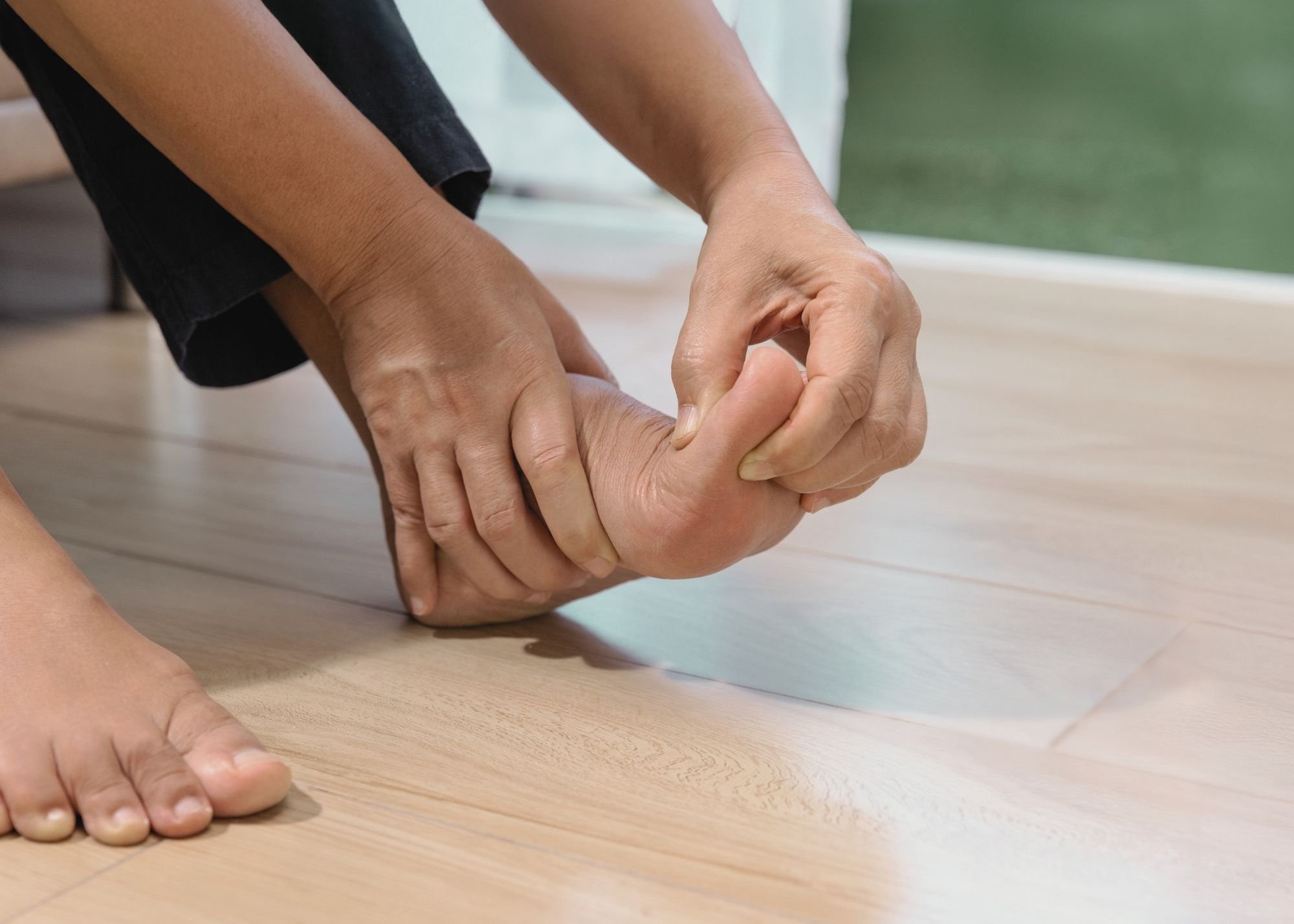
Your toes are responsible for more than you realize. Every step you take, every push-off when you climb stairs, every adjustment your foot makes on uneven ground — your toes are doing the work. When they cramp up, get stubbed, or simply ache from a long day, the disruption to your daily life is immediate.
This guide covers the most effective exercises for relieving toe cramps, what to do when you've stubbed a toe, and how regular foot exercises can prevent toe pain from sidelining you in the first place.
Why Do Toes Cramp?
Toe cramps — sudden, involuntary contractions of the small muscles in the foot — can have several causes. Dehydration and electrolyte imbalances (especially low magnesium, potassium, or calcium) are common triggers. Tight or ill-fitting shoes that compress the toes contribute, as do overuse from intense activity and prolonged standing. Underlying conditions like neuropathy, circulation problems, or thyroid disorders can also cause recurring cramps.
Most occasional toe cramps resolve quickly with stretching and hydration. Cramps that happen frequently, last more than a few minutes, or interfere with sleep warrant evaluation by a podiatrist.
Five Effective Exercises for Toe Cramp Relief
These exercises target the small intrinsic muscles of the foot. Done consistently — even just five minutes a day — they improve flexibility, circulation, and strength, reducing both the frequency and severity of toe cramps.
1. The Shuffle
Stand with feet flat on the floor. Slide one foot forward while sliding the other backward, then reverse, keeping both feet in contact with the floor throughout. This warming movement increases circulation and gently stretches the muscles along the soles of your feet. Continue for 30 to 60 seconds.
2. Toe Spins
Sitting in a chair, lift one foot and slowly rotate your toes in clockwise circles. Try to move just the toes, not the ankle. After 10 rotations, reverse direction. This exercise mobilizes the small joints and stretches tight tissue between the toes.
3. Toe Pull-Ups
Sit with your feet flat on the floor. Keeping your heels firmly planted, lift just your toes upward — as high as they'll go. Hold for three seconds, then lower. Repeat 10 to 15 times. This strengthens the muscles along the top of your foot and improves toe extension mobility.
4. Toe Extensions
Sit with your feet flat. Spread your toes apart as wide as possible, hold for five seconds, then relax. This active stretch counteracts the toe-crunching effect of narrow shoes and rebuilds the natural splay of your toes.
5. Towel Scrunches
Place a small towel on the floor in front of you. Sit with your feet flat on the towel. Curl your toes to grip and bunch the towel toward you, then release. Continue until you've pulled the entire towel toward you. This exercise strengthens the arch of the foot and the small muscles that support your toes.
When You've Stubbed a Toe: How Serious Is It?
A stubbed toe is one of life's great underrated pains. It feels disproportionate to the impact — and sometimes, it really is more serious than it appears. Stubbing your toe can range from a simple bruise to a fracture, and the difference isn't always obvious in the moment.
Common Injuries from a Stubbed Toe
Bone bruise. Painful but resolves on its own with rest. The bone itself isn't broken, but the periosteum (the membrane covering the bone) is irritated.
Sprain or strain. Damage to the ligaments or tendons surrounding the toe joint. May cause swelling and limited movement.
Toenail injury. Subungual hematoma (blood under the nail) can develop hours after impact. May require drainage if severe.
Fracture. A broken toe — often a hairline fracture — that requires medical attention to heal correctly.
When to See a Podiatrist for a Stubbed Toe
Most stubbed toes heal on their own in a few days to a week. Get evaluated if you experience:
Severe pain that doesn't improve within 24 hours
Persistent pain that lasts more than a week
Visible deformity or the toe pointing in an unusual direction
Significant swelling, bruising, or discoloration
Inability to bear weight or walk normally
Signs of infection (warmth, redness, drainage, fever)
A toenail that has been partially or fully detached
Other Common Causes of Toe Pain
Beyond cramps and trauma, several conditions can cause persistent toe pain:
Bunions — bony protrusion at the base of the big toe
Hammertoes — joint deformities that cause toes to curl downward
Ingrown toenails — when a nail edge grows into surrounding skin
Corns and calluses from friction
Arthritis or gout flare-ups in the toe joints
Sesamoiditis — inflammation of the small bones beneath the big toe
Morton's neuroma — nerve thickening between the toes
Each of these conditions has different treatment paths, which is why an accurate diagnosis matters.
How to Prevent Toe Pain
Most toe pain is preventable with consistent care:
Wear shoes that fit properly — with at least a thumb's width of room ahead of your longest toe
Choose footwear that supports your activity (running shoes for running, hiking shoes for trails)
Stay hydrated, especially during high-altitude activities common in Colorado
Stretch and exercise your feet regularly
Replace worn-out shoes — typically every 300 to 500 miles for runners
Don't ignore early signs of pain; they rarely resolve by themselves
When to See a Podiatrist
Toe pain that interferes with your daily activities, recurs frequently, or is accompanied by visible changes to the toe deserves professional evaluation. At Table Mountain Foot and Ankle, our team works with patients across Wheat Ridge and Boulder to identify the underlying cause of toe pain and develop treatment plans that match your lifestyle — whether you're a trail runner training for a 50K through our sports medicine program or a parent who just wants to get through the day pain-free.
Schedule an appointment to get to the bottom of persistent toe pain and back to moving comfortably.