Sesamoiditis: Causes, Symptoms, and Treatment of Big Toe Sesamoid Pain
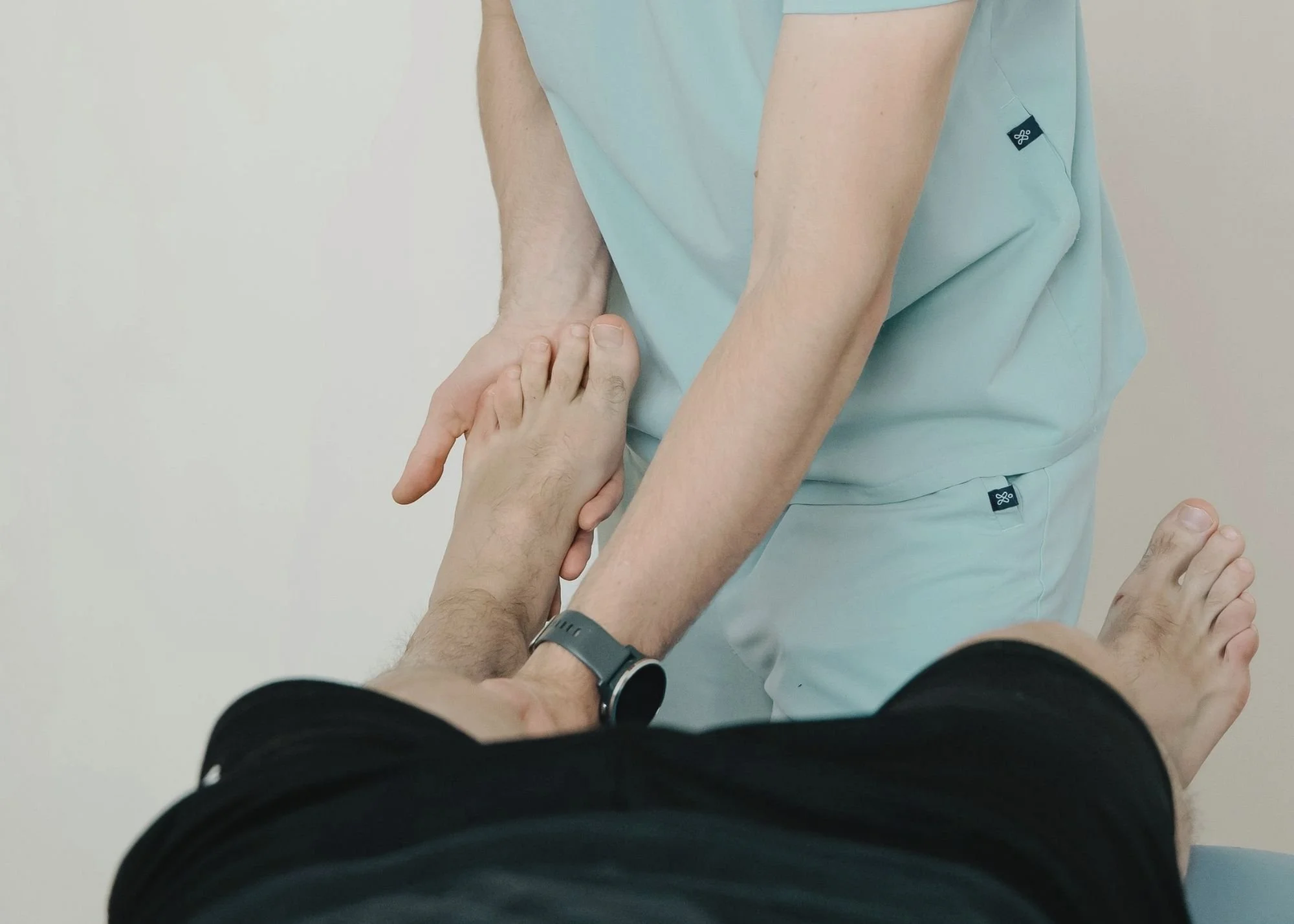
The two small bones beneath your big toe joint are called the sesamoids. Most patients learn this only when those bones start hurting. Sesamoiditis — inflammation of the tissues around the sesamoids or the bones themselves — is a frequent source of forefoot pain, particularly in runners, dancers, and active patients who spend a lot of time on the balls of their feet.
It's also one of the more frustrating conditions to treat, because the sesamoids bear weight every time you push off your big toe. Resting them completely is nearly impossible without significant lifestyle adjustment. Here's what causes sesamoiditis, how it's diagnosed, and the treatment options that actually help.
What Are Sesamoids?
Sesamoids are small bones embedded within tendons rather than connected to other bones at joints. The most familiar sesamoid is the patella — your kneecap. The foot has two small sesamoid bones, both located beneath the head of the first metatarsal (the bone behind your big toe). These pea-sized bones are embedded in the tendons that flex the big toe.
Despite their small size, the sesamoids have important jobs:
They serve as a fulcrum for the big toe flexor tendons, increasing leverage
They distribute weight across the ball of the foot during walking and running
They protect the underlying tendons from friction and compression
They help absorb shock during the push-off phase of gait
What Is Sesamoiditis?
Sesamoiditis is the umbrella term for sesamoid pain. It can include:
Inflammation of the tendons surrounding the sesamoids. The most common form, often from repetitive stress.
Bone bruising or stress reaction within the sesamoid bones. A precursor to stress fracture if not addressed.
Avascular necrosis. Loss of blood supply to one of the sesamoids, causing the bone to weaken and potentially collapse.
Sesamoid fracture. A complete break of one of the bones, either acute (from an injury) or stress-related.
These conditions exist on a spectrum, and treatment depends on which is happening.
Common Causes of Sesamoiditis
Activity-Related Causes
Running. The repetitive impact and push-off mechanics place sustained stress on the sesamoids. Sprinters and forefoot strikers are particularly susceptible.
Dancing. Ballet, modern, and other dance forms involve sustained weight on the ball of the foot. Sesamoiditis is one of the most common foot injuries in dancers.
Sports requiring jumping or pivoting. Basketball, volleyball, tennis, soccer.
Sudden activity increases. Adding hill work, speed work, or a new sport without gradual progression.
Footwear-Related Causes
High heels, which shift weight onto the forefoot
Shoes with inadequate forefoot cushioning
Worn-out athletic shoes
Going barefoot or wearing minimalist shoes on hard surfaces
Sandals without arch support
Anatomical and Biomechanical Causes
High arches that concentrate pressure on the forefoot
Bipartite sesamoid (when one of the sesamoids forms in two pieces — a normal variation in some people that can mimic fracture and predispose to pain)
Hallux limitus or rigidus (limited big toe joint motion that increases sesamoid loading)
Bunions or other foot deformities altering normal weight distribution
Recent foot surgery changing forefoot mechanics
Other Contributors
Osteoporosis or other bone-weakening conditions
Inflammatory arthritis
Direct trauma (landing on the ball of the foot, dropping something heavy)
Symptoms of Sesamoiditis
Sesamoid pain has a characteristic presentation:
Pain directly beneath the big toe joint, on the ball of the foot
Discomfort that develops gradually over weeks (in chronic cases) or suddenly (with acute injury)
Pain that worsens with weight-bearing activities, especially running, jumping, or pushing off
Tenderness when direct pressure is applied to the sesamoids
Swelling in the ball of the foot or around the big toe joint
Pain or stiffness when bending the big toe upward
Difficulty wearing certain shoes
Bruising in cases of acute fracture
Many patients describe the sensation as walking with a pebble under the big toe joint.
Diagnosis
A podiatrist diagnoses sesamoiditis through:
Detailed history and physical examination
Direct palpation of the sesamoids
Range of motion testing of the big toe joint
Gait analysis
X-rays (including specific views to visualize the sesamoids)
MRI when X-rays are inconclusive or to assess soft tissue and bone marrow involvement
Bone scan in selected cases to evaluate for stress reaction
A key diagnostic challenge: distinguishing sesamoiditis from a fractured bipartite sesamoid (when a normally bifurcated sesamoid is mistaken for a fracture). MRI helps clarify these cases.
Treatment Options
Conservative Treatment
Most cases of sesamoiditis respond to conservative care, though it requires patience:
Rest from aggravating activities. Reducing or temporarily stopping running, jumping, and dance is essential. Cross-training in low-impact activities maintains fitness.
Ice. Applied to the affected area after activity to manage inflammation.
Anti-inflammatory medications. Useful in the acute phase under physician guidance.
Activity modification. Avoiding hills, switching from running to swimming or cycling, modifying dance technique.
Padding and metatarsal cushioning. Specific pads designed to offload the sesamoids during weight-bearing.
Custom orthotics. Properly designed orthotics with cutouts or pressure-relieving features specifically address sesamoid loading. Often the most effective long-term solution.
Stiff-soled shoes. Reducing big toe joint flexion limits sesamoid stress.
Walking boot. For more severe cases, immobilization for several weeks allows healing.
Cortisone injection. For refractory cases, though carefully considered given the small space and risk of tendon weakening.
When Surgery Is Considered
Sesamoid surgery is reserved for cases that don't respond to extended conservative care, complete sesamoid fractures with significant displacement, or avascular necrosis with bone collapse. Procedures range from removal of one sesamoid (sesamoidectomy) to repair of the bone in selected cases. Recovery is significant — typically months — and removing a sesamoid changes forefoot mechanics in ways that need careful consideration.
Prevention and Recovery
Increase running mileage and intensity gradually
Replace athletic shoes when cushioning breaks down
Avoid frequent wear of high heels
Use forefoot cushioning for activities that load the ball of the foot
Address gait or foot structure issues that contribute to forefoot overload
Cross-train to vary the loading patterns on your feet
Don't push through forefoot pain — early intervention prevents progression
When to See a Podiatrist
Schedule an evaluation if:
Big toe joint pain has lasted more than a few weeks
Pain is interfering with running, dance, or athletic activities
You have swelling in the ball of the foot
You experienced an acute injury to the forefoot
Conservative measures haven't resolved symptoms
You're a runner or dancer with persistent forefoot pain
At Table Mountain Foot and Ankle, we treat sesamoid problems frequently — especially among Boulder runners, Front Range dancers, and active patients whose lifestyles depend on healthy forefoot mechanics. Schedule an appointment to identify what's driving your sesamoid pain and build a treatment plan that gets you back to your activities.