Flat Feet (Fallen Arches): When Pes Planus Becomes a Problem
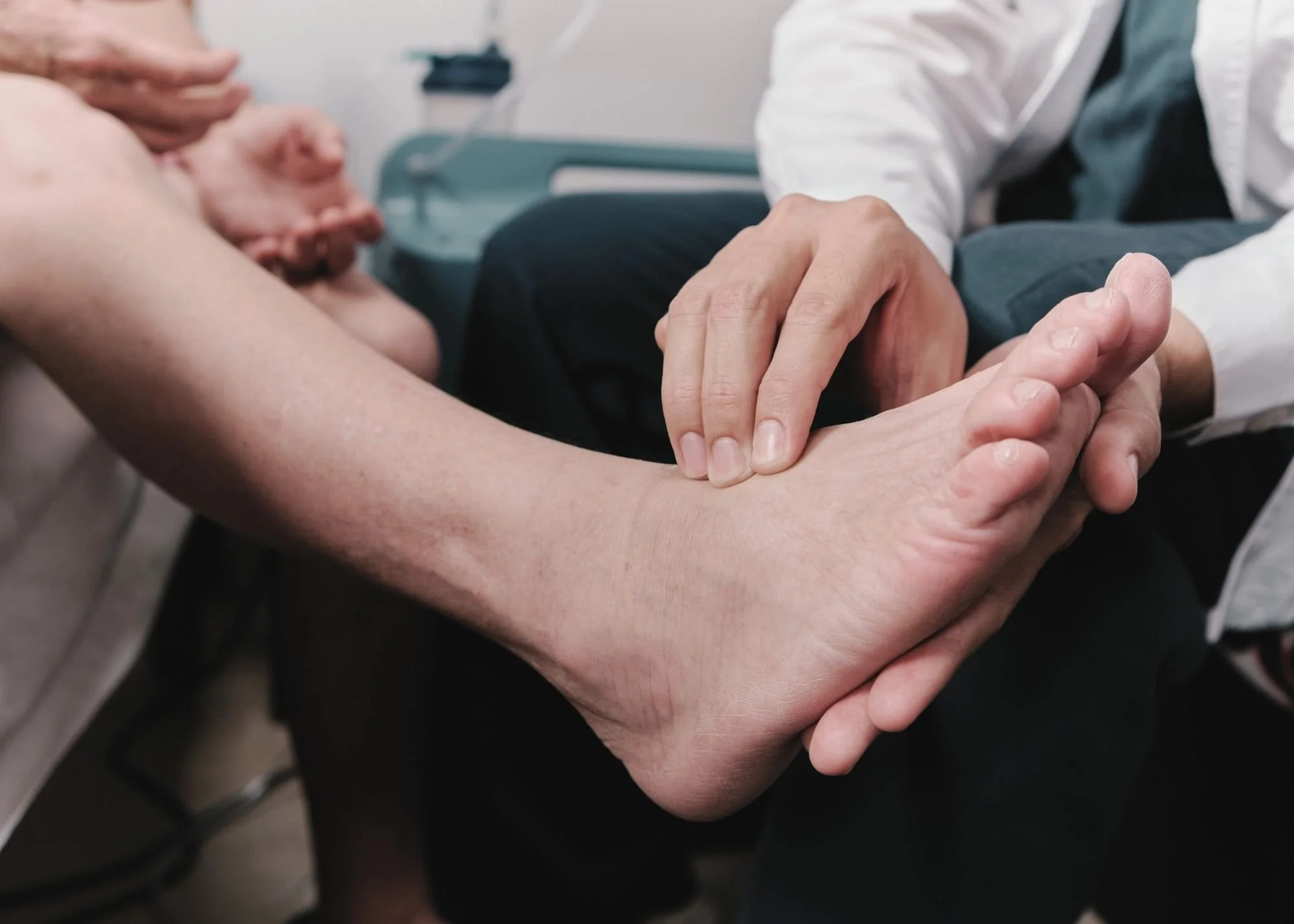
Flat feet — medically known as pes planus or fallen arches — are remarkably common. About 20-30% of the adult population has some degree of flat-footedness, and most function perfectly well without significant problems. But for some patients, flat feet become a source of progressive pain, gait abnormalities, and secondary issues throughout the body. Knowing when flat feet need attention — and what to do about them — is one of the most useful pieces of foot health information.
What Are Flat Feet?
A "normal" foot has a visible arch on the inside that doesn't touch the ground when you stand. The arch is created by the bones, ligaments, and tendons working together to form a natural spring system that absorbs shock and propels you forward during walking and running.
In flat feet, the arch has either failed to develop normally or has collapsed over time. The inside of the foot makes more contact with the ground than it should, and the entire foot may roll inward (overpronation) during walking and running.
Types of Flat Feet
Flexible Flat Feet
The most common type. The arch is visible when sitting or standing on tiptoe but flattens when standing normally. Most flexible flat feet are asymptomatic and don't require treatment.
Rigid Flat Feet
The foot lacks an arch in any position — sitting, standing, on tiptoe. More likely to be associated with structural issues like tarsal coalition (abnormal fusion of bones) or significant deformity. More frequently symptomatic and may require more aggressive treatment.
Adult-Acquired Flatfoot Deformity
Develops over time, often middle age or later. Most commonly caused by posterior tibial tendon dysfunction (PTTD) — gradual failure of one of the key tendons supporting the arch. Without intervention, can progress to severe deformity and significant disability.
What Causes Flat Feet
Childhood Development
All children are born with flat feet — the arch typically develops by age 6 or 7. Some children never develop a normal arch, resulting in flat feet that persist into adulthood. This is usually genetic and not associated with significant problems.
Genetics
Foot shape strongly runs in families. Inherited foot structure, ligament laxity, and tendon characteristics all contribute to flat-footedness.
Posterior Tibial Tendon Dysfunction
The posterior tibial tendon supports the arch dynamically. When it weakens, stretches, or tears, the arch gradually collapses. Risk factors include age (most common in middle-aged women), obesity, diabetes, hypertension, and high-impact activity.
Other Contributors
Trauma (foot or ankle injuries)
Inflammatory arthritis (rheumatoid arthritis especially)
Pregnancy (hormonal ligament changes)
Obesity
Diabetes (Charcot foot can result in dramatic arch collapse)
Neurological conditions
Prior foot surgery
Symptoms — When Flat Feet Become a Problem
Many people have flat feet without ever having symptoms. Problems develop when:
Pain along the inside of the ankle or arch
Pain that worsens with activity, especially walking or running
Tired or aching feet at the end of the day
Swelling along the inside of the ankle
Difficulty standing on tiptoe (sign of posterior tibial tendon issues)
Visible inward roll of the ankle
Knee, hip, or back pain from gait alterations
Calluses or corns from abnormal pressure distribution
Difficulty finding shoes that fit comfortably
Recurrent ankle sprains
Diagnosis
A podiatrist evaluates flat feet through:
History (when did the flatness develop, what symptoms are present)
Visual examination of foot shape with and without weight-bearing
Single-leg toe-rise test (assesses posterior tibial tendon function)
Gait analysis
Range of motion testing
X-rays to assess bone alignment
MRI when tendon damage is suspected
Treatment Options
Conservative Care
Most symptomatic flat feet respond to conservative treatment:
Custom orthotics. Properly designed orthotics provide arch support, control overpronation, and reduce strain on overworked tendons. Often the most impactful single intervention for flat feet.
Footwear. Stability or motion-control athletic shoes with good arch support. Avoid unsupportive sandals and going barefoot for prolonged periods.
Physical therapy. Specific exercises strengthen the posterior tibial tendon, peroneal muscles, and intrinsic foot muscles.
Stretching. Calf and Achilles tendon stretching reduces stress on the arch.
Activity modification. Reducing high-impact activities during flares.
Anti-inflammatories. For symptom management.
Bracing. Ankle braces for moderate symptoms; ankle-foot orthoses (AFOs) for more severe cases.
Weight management. Significant for overweight patients.
Surgical Options
When conservative care isn't adequate, surgical reconstruction can restore the arch and address underlying tendon damage. Procedures range from tendon transfers to bone realignment to joint fusion, depending on severity. Recovery is significant — often months — but outcomes are typically good for appropriately selected patients.
Special Considerations for Athletes
For runners and other athletes with flat feet, the right combination of footwear, orthotics, and training adjustments often allows full participation in sports without significant limitations. Our sports medicine team works with athletes at every level to optimize their setup.
When to See a Podiatrist
Foot, ankle, knee, or hip pain you suspect is related to flat feet
A noticeable change in foot shape over time
Difficulty standing on tiptoe
Recurring ankle sprains or instability
Symptoms that limit your activities
Children with flat feet who are experiencing pain or gait abnormalities
Diagnosis of conditions that increase risk for adult-acquired flatfoot
At Table Mountain Foot and Ankle, we evaluate flat feet across the lifespan and tailor treatment to your specific symptoms and activity level. Schedule an appointment to address foot pain that's related to your arch — or to optimize your setup before symptoms develop.