Children's Foot Care: Preventing Cuts, Injuries, and Long-Term Problems
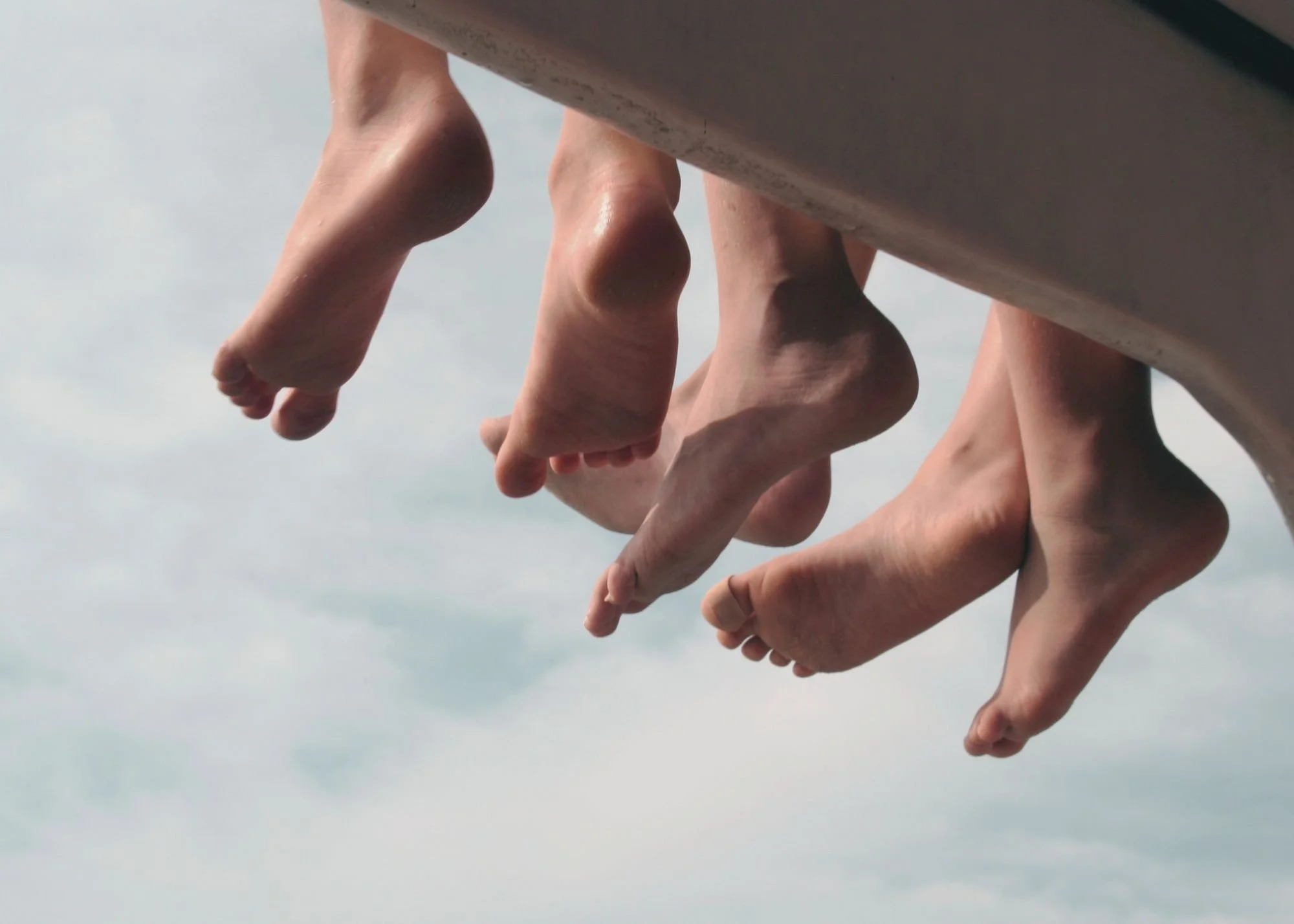
Children's feet are different from adult feet in ways that matter. They're still developing, more flexible, more prone to certain injuries, and more resilient to others. Kids run barefoot through summers in Colorado, jump off porches, climb trees, and generally treat their feet with the kind of cheerful disregard that horrifies podiatrists. Most of the time, they're fine. Sometimes — particularly with cuts and minor injuries that don't get adequate attention — small problems become bigger ones.
Here's what parents should know about preventing foot injuries in kids and recognizing when a "minor" issue actually warrants a closer look.
How Children's Feet Differ from Adult Feet
Several key differences shape how kids' feet should be cared for:
Bones aren't fully ossified until late adolescence — what looks like soft tissue on X-ray may actually be cartilage that hasn't hardened yet
Growth plates (physes) are vulnerable areas where injuries can affect future development
Higher fat content and more flexible ligaments produce different injury patterns
Skin is thinner and more easily damaged
Faster healing in most cases — but also faster spread of infections
Feet grow rapidly — shoe sizing changes every few months in young children
These differences mean that some adult diagnoses don't apply to kids, and some pediatric conditions need different management.
Common Foot Cuts and Wounds in Children
How They Happen
Walking barefoot on glass, debris, sharp rocks, or staples
Stepping on toys or sharp objects
Outdoor activities (creek beds, trails, beaches)
Sports injuries with cleats or other equipment
Animal bites
Improperly fitted shoes causing blisters and skin breakdown
Initial Care
For minor cuts:
Wash hands before touching the wound
Rinse the cut thoroughly with clean running water
Use mild soap if available
Apply gentle pressure with a clean cloth to stop bleeding
Apply antibiotic ointment
Cover with a clean bandage
Watch for signs of infection over the next few days
When to Seek Medical Care
For any of these, get the wound evaluated:
Bleeding that doesn't stop with 10 minutes of direct pressure
Cuts longer than half an inch or with edges that won't stay together
Deep wounds where you can see fat, muscle, or bone
Wounds from animal or human bites
Puncture wounds (especially from rusty objects, nails, or contaminated surfaces)
Wounds from glass that may have left fragments behind
Cuts on the bottom of the foot that affect walking
Signs of infection developing (spreading redness, warmth, drainage, fever)
Wounds in children with diabetes or compromised immune systems
Tetanus shot status that's out of date
Prevention: The Best Foot Care
Footwear at Different Ages
Pre-walkers (0-12 months): Soft, flexible booties or socks. Shoes aren't needed and can actually impede natural foot development.
New walkers (12-24 months): Lightweight, flexible shoes that allow the foot to bend and develop. Avoid stiff "support" shoes for typical kids.
Toddlers and young children: Properly sized shoes (check fit every 2-3 months — feet grow fast). Adequate width and length, secure closures, flexible soles.
School-age children: Well-fitted shoes for activities, athletic shoes for sports, replacement when worn out (kids run through shoes faster than adults).
Adolescents: Sport-specific shoes for athletes, attention to fit even as kids grow more independent in choosing their own footwear.
Smart Barefoot Practices
Some barefoot time is actually beneficial for foot development. The compromise:
Inside the home — generally fine
Grass and beach — usually safe with awareness
Public pools, locker rooms, hotel rooms — wear sandals (fungal exposure risk)
Trails, construction areas, parking lots — appropriate footwear required
Backyards — survey for hazards regularly
Reducing Common Hazards
Sweep walkways and play areas regularly
Keep yards free of broken glass, nails, and debris
Check shoes before kids put them on (especially after they've been outdoors)
Teach kids to recognize and avoid hazards
Update tetanus shots per pediatric guidelines
Other Important Pediatric Foot Issues
Beyond cuts and acute injuries, watch for:
Persistent walking abnormalities. In-toeing, out-toeing, toe-walking, or limping that persists.
Foot pain. Children rarely complain of foot pain unless something is genuinely wrong. Take it seriously.
Visible foot deformities. Significant flat feet, high arches, bunions developing in adolescence, or curling of the toes.
Heel pain. Sever's disease (calcaneal apophysitis) is common in active children 8-14.
Ingrown toenails. Common in adolescents — particularly those who play sports or wear tight shoes.
Plantar warts. Common in school-age children, often acquired in pool or locker-room settings.
Athlete's foot. Increasingly common in active kids, especially those in sports.
When to See a Podiatrist
Wounds that aren't healing or showing signs of infection
Persistent foot pain in a child
Walking abnormalities that don't resolve
Foot deformities visible to you
Recurring foot infections
Concerns about how feet are developing
Growth plate injuries from sports
Children with diabetes or other conditions affecting foot health
At Table Mountain Foot and Ankle, we treat children's foot conditions with attention to the differences that make pediatric podiatry its own specialty. Schedule an appointment if your child has foot symptoms that warrant professional evaluation — small problems caught early prevent bigger ones later.