Heel Pain Decoded: Plantar Fasciitis, Heel Spurs, Bursitis, Heel Bruises, and More
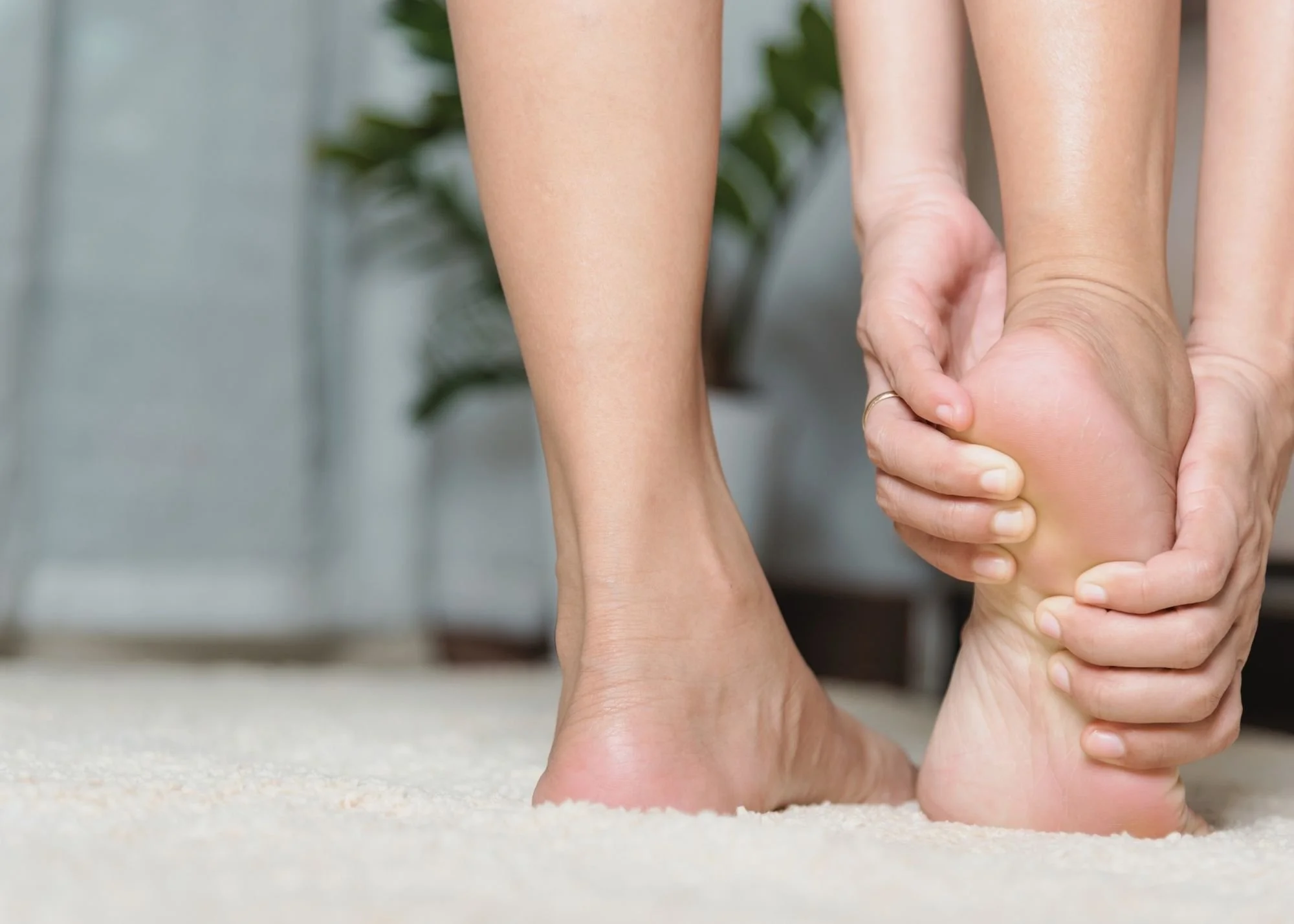
Heel pain is the single most common reason patients walk into a podiatry office. It affects everyone — runners and sedentary office workers, twenty-somethings and seniors, marathon trainers and people whose biggest workout is walking the dog. The discomfort can range from mild morning stiffness to disabling pain that makes every step a calculation.
What surprises most patients is how many distinct conditions cause heel pain. Plantar fasciitis is the headline diagnosis, but there are at least a dozen others that mimic it. Treating heel pain effectively starts with knowing which one you actually have.
A Map of Heel Pain
Heel pain divides into a few main categories based on location and cause:
Bottom of the heel (plantar): Plantar fasciitis, heel spurs, plantar fascia rupture, fat pad atrophy, baxter's neuritis, calcaneal stress fracture.
Back of the heel (posterior): Achilles tendonitis, Haglund's deformity, retrocalcaneal bursitis, insertional Achilles tendinopathy.
Sides of the heel: Tarsal tunnel syndrome, calcaneal fractures, sinus tarsi syndrome.
Skin and superficial structures: Heel fissures (cracks), bursitis, plantar warts, heel bruises.
Plantar Fasciitis: The Headline Diagnosis
Plantar fasciitis accounts for about 80% of heel pain cases. It's inflammation and microtearing of the plantar fascia — a thick band of tissue that runs from the heel to the toes along the bottom of the foot. The fascia supports the arch and absorbs shock during walking and running.
What Causes Plantar Fasciitis
Multiple factors converge:
Repetitive stress. Activities involving prolonged standing, walking, or running cause microscopic tears in the fascia. When the body can't repair them fast enough, inflammation results.
Tight calf muscles. Limited ankle dorsiflexion increases strain on the plantar fascia with every step.
High arches or flat feet. Both abnormal arch types create biomechanical stress patterns that strain the fascia.
Excess body weight. Obesity is one of the strongest risk factors for plantar fasciitis. Each additional pound of weight translates to several pounds of force on the plantar fascia with every step. Weight management is part of effective treatment for many patients.
Inappropriate footwear. Worn-out shoes, unsupportive sandals, going barefoot on hard surfaces.
Sudden activity changes. A new exercise program, increased running mileage, a job change involving more time on the feet.
Age. Most common between 40 and 60 as the fascia loses some of its elasticity.
Classic Symptoms
Sharp, stabbing pain in the heel with the first steps after waking up
Pain that improves after the first few minutes of walking
Discomfort that returns after periods of rest (sitting, then standing)
Worsening pain at the end of the day or after activity
Pain localized to the bottom of the heel, sometimes radiating along the arch
Treatment
Most plantar fasciitis responds well to conservative care:
Daily plantar fascia and calf stretching
Eccentric calf strengthening
Ice after activity
Anti-inflammatory medications (short-term)
Custom orthotics to support the arch and reduce fascia strain
Night splints to maintain fascia stretch during sleep
Activity modification
Weight management for relevant patients
Cortisone injections for refractory cases
Physical therapy
Shockwave therapy
PRP injection
Laser therapy
Persistent cases may benefit from extracorporeal shock wave therapy, PRP injections, or in rare cases, surgical release of the fascia.
Heel Spurs
Heel spurs are bony growths on the underside of the heel bone, often forming where the plantar fascia attaches. They're commonly associated with chronic plantar fasciitis but — surprisingly — they're often not the actual source of pain. Many people have heel spurs visible on X-ray with no symptoms at all, while others have severe heel pain with no visible spur. The spur is a marker of long-standing fascia stress more than a primary pain generator. Treatment usually focuses on the plantar fasciitis rather than the spur itself.
Plantar Fascia Rupture
A complete or partial tear of the plantar fascia is much less common than plantar fasciitis but more dramatic when it happens. Patients typically describe a sudden snap or pop in the arch followed by sharp pain and bruising. Contributing factors include long-standing plantar fasciitis (the fascia weakens over time), recent cortisone injections (which can weaken the fascia), and high-impact activity.
Treatment usually involves a period of immobilization in a walking boot, followed by gradual rehabilitation. Most ruptures heal well, though athletes may take 3-6 months to return to full activity.
Bursitis: When Fluid Sacs Get Inflamed
Bursae are small, fluid-filled sacs that cushion areas where bones, tendons, and muscles meet. The heel has several:
Retrocalcaneal bursitis: Inflammation of the bursa between the Achilles tendon and the back of the heel bone. Causes pain at the back of the heel, especially with shoes that press against the area.
Subcutaneous calcaneal bursitis: Sometimes called "pump bump" when caused by women's shoes. Inflammation of the bursa just under the skin at the back of the heel.
Plantar bursitis: Less common; involves a bursa under the heel or ball of the foot.
Bursitis often coexists with other heel pain conditions. Treatment includes activity modification, footwear changes, anti-inflammatories, ice, and sometimes injection therapy.
Heel Fissures: When Cracked Heels Become a Problem
Heel fissures are deep cracks in the skin of the heel, ranging from cosmetic dryness to painful, bleeding splits. They develop when:
The skin of the heel becomes excessively dry
Pressure from walking forces the dry skin to split
Open-back footwear allows the heel pad to spread laterally
Underlying conditions like diabetes, hypothyroidism, or psoriasis affect skin health
Standing for long periods on hard surfaces
Mild heel fissures respond to consistent moisturizing, exfoliation with a pumice stone, and protective socks. Deep, painful, or bleeding fissures require professional debridement and management — particularly in diabetic patients, where infection risk is significant.
Heel Bruises
A heel bruise — sometimes called a stone bruise or fat pad contusion — develops when the protective fat pad under the heel is damaged from impact. Common causes include:
Stepping hard on a small object (like a stone)
Landing heavily from a jump or fall
Repetitive impact in worn-out shoes
High-impact activities like running or basketball
Symptoms include localized heel pain, particularly with weight-bearing, that doesn't fit the morning pattern of plantar fasciitis. The pain is more constant — it doesn't improve with the first few steps. Most heel bruises resolve within several weeks with rest, ice, supportive footwear, and heel cushions. Persistent symptoms require evaluation to rule out fat pad atrophy or stress fracture.
Less Common but Important Causes
Fat pad atrophy: Loss of the protective fat under the heel, common in older adults. Causes diffuse heel pain that doesn't respond to typical plantar fasciitis treatment.
Calcaneal stress fracture: A small crack in the heel bone, common in runners increasing mileage too quickly. Pain is more constant and worsens with activity.
Tarsal tunnel syndrome: Compression of a nerve at the inside of the ankle, producing burning, tingling, or shooting pain that may radiate into the heel.
Baxter's nerve entrapment: Compression of a small nerve under the heel, sometimes mistaken for plantar fasciitis but doesn't respond to typical treatment.
Haglund's deformity: A bony prominence at the back of the heel that rubs against shoes and irritates the surrounding tissues.
How a Podiatrist Distinguishes the Causes
Effective heel pain treatment starts with accurate diagnosis. A thorough podiatric evaluation includes:
Detailed history (when did pain start, how does it behave, what makes it worse or better)
Hands-on examination palpating specific structures
Gait analysis to identify mechanical factors
Range of motion testing
Provocative tests for specific conditions
X-rays to identify spurs, fractures, or alignment issues
Ultrasound or MRI when soft tissue evaluation is needed
The combination of where you hurt, when you hurt, and how the pain responds to specific tests typically identifies the cause within a single visit.
When Conservative Treatment Doesn't Work
If you've been treating presumed plantar fasciitis for months without improvement, the diagnosis may not be correct. About 10% of patients with persistent heel pain turn out to have something other than plantar fasciitis — and treating the wrong condition obviously won't help. Persistent symptoms warrant a fresh evaluation.
Prevention: Keeping Heel Pain at Bay
Wear supportive footwear appropriate for your activities
Replace running shoes every 300-500 miles
Stretch your calves and plantar fascia daily
Maintain a healthy weight
Increase activity gradually (the 10% rule for runners)
Address gait and biomechanical issues with orthotics if recommended
Don't go barefoot on hard surfaces
Cross-train to reduce repetitive impact
When to See a Podiatrist
Schedule an appointment if:
Heel pain has lasted more than 2-3 weeks despite home care
Pain is severe enough to limit your activities
You have a sudden onset of severe heel pain (suggests rupture or fracture)
Pain is associated with numbness, tingling, or burning
You've tried treating plantar fasciitis without improvement
You have diabetes and any heel skin issue
Symptoms are interfering with sleep or daily activities
At Table Mountain Foot and Ankle, heel pain is one of the most common reasons patients come to see us — and we treat it across the full spectrum, from straightforward plantar fasciitis to the rarer conditions that mimic it. Our sports medicine approach combines accurate diagnosis with treatment plans tailored to your activity level and goals. Schedule an appointment to get to the actual cause of your heel pain.