Cuboid Bone Pain: Understanding Cuboid Syndrome and Lateral Foot Pain
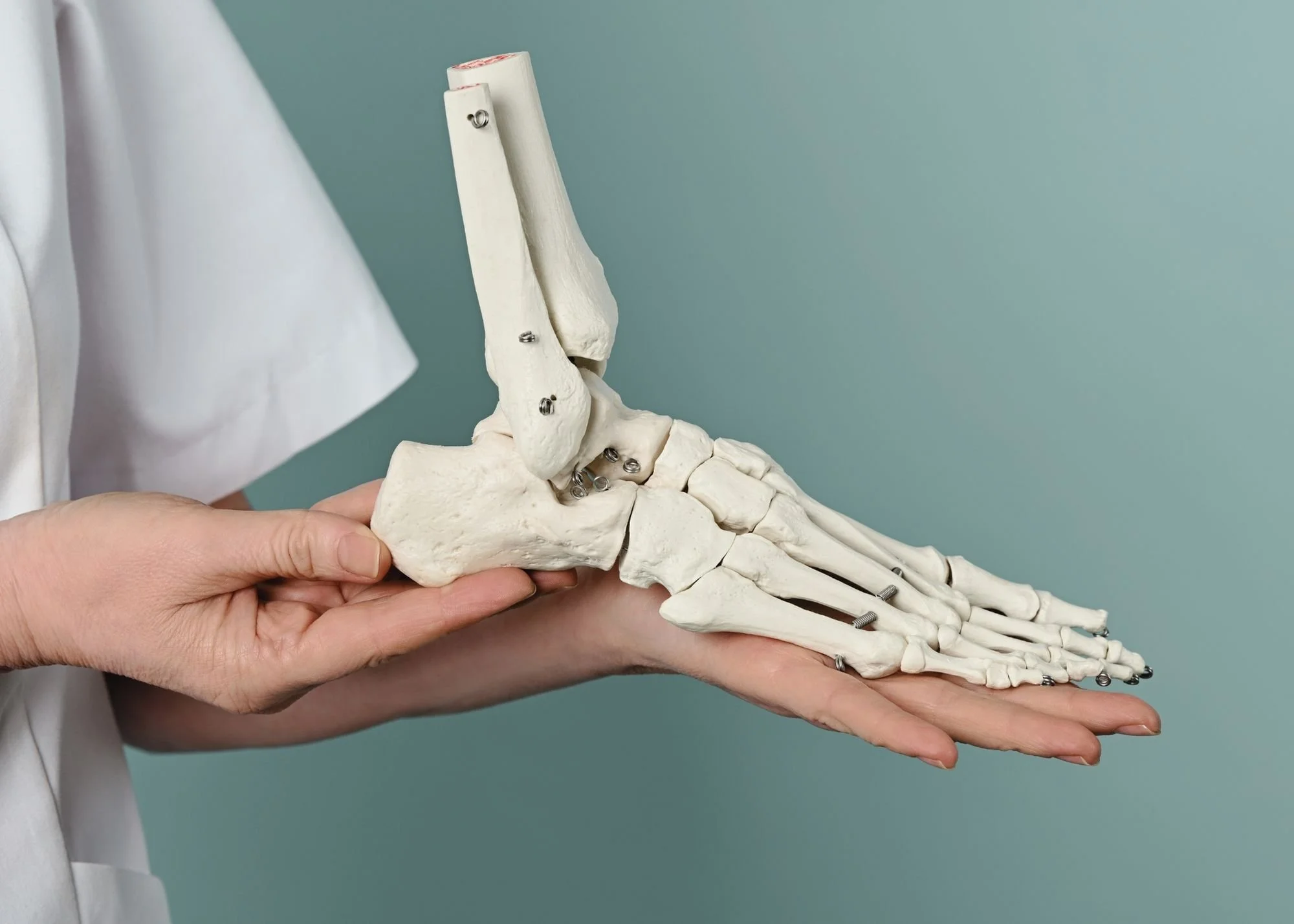
Each foot contains 28 bones, 30 joints, and over 100 muscles working in concert every time you take a step. When one of those structures slips out of alignment, the consequences ripple through your entire stride. Cuboid syndrome is one of those misalignment conditions — and it's also one of the most frequently misdiagnosed sources of lateral foot pain we see at Table Mountain Foot and Ankle.
If you're experiencing pain on the outside of your foot that radiates toward your pinky toe, struggling to walk without limping, or noticing swelling that doesn't resolve with rest, the cuboid bone may be the culprit. This guide explains what cuboid syndrome is, why it's so often missed, and the treatment options that actually work.
What Is the Cuboid Bone?
The cuboid is one of seven tarsal bones in your foot, located on the outside (lateral) edge of the midfoot. It sits between the heel bone (calcaneus) and the fourth and fifth metatarsals — the bones that connect to your two smallest toes. Cube-shaped (hence the name), this small but critical bone serves as the keystone of your foot's lateral arch.
The cuboid does three important jobs: it transfers force from your heel to your forefoot during walking and running, it provides a stable groove for the peroneus longus tendon to glide through, and it helps maintain the rigid lateral column that keeps your foot stable when you push off the ground.
What Is Cuboid Syndrome?
Cuboid syndrome — also called cuboid subluxation — occurs when the cuboid bone shifts slightly out of its normal position, often disrupting the small joints and ligaments that hold it in place. The displacement is usually subtle, which is part of why it's so hard to diagnose, but the resulting pain and dysfunction can be significant.
The condition can come on suddenly, typically after an ankle sprain or a forceful inversion injury. It can also develop slowly over time from repetitive stress — particularly common in active Coloradans who run, hike, or engage in sports that involve quick lateral movements.
Common Causes of Cuboid Syndrome
Three primary causes account for most cases of cuboid syndrome:
Ankle sprains. The most common trigger. When you roll your ankle, the force can pull the cuboid out of alignment as the surrounding ligaments stretch or tear. Many cases of "lingering ankle sprain pain" are actually undiagnosed cuboid syndrome.
Repetitive strain. Activities involving repeated jumping, pivoting, or pushing off the foot — tennis, racquetball, trail running, basketball — place excessive traction on the peroneus longus tendon, which can pull the cuboid downward over time.
Altered foot biomechanics. People with flat feet or excessive pronation are more susceptible to cuboid subluxation because the inward roll of the foot places sustained pressure on the lateral column.
Symptoms to Watch For
The hallmark of cuboid syndrome is pain on the outside of the foot, often felt midway between the heel and the pinky toe. The pain may radiate toward the ankle or forward into the toes, and it typically worsens with weight-bearing activities. Other symptoms include:
Swelling along the lateral foot, particularly after activity
Limited range of motion in the foot or ankle
A noticeable limp or altered gait to avoid pressure on the affected area
Tenderness when direct pressure is applied to the cuboid bone
Pain that doesn't respond well to typical sprain treatment
Why Cuboid Syndrome Is So Often Misdiagnosed
Cuboid syndrome is one of the most underdiagnosed sources of foot pain — and the reason is straightforward: standard imaging often misses it. X-rays, MRIs, and CT scans typically can't detect the slight displacement of the cuboid bone, which means many patients are told their imaging "looks normal" when their pain is very real.
Diagnosis depends on a hands-on examination by a podiatrist who knows what to look for. At TMFA, we use a combination of palpation (pressing directly on the cuboid to reproduce pain), gait analysis, and clinical history to identify cuboid syndrome — particularly in patients whose ankle sprain pain hasn't resolved on the timeline you'd expect.
Treatment Options for Cuboid Syndrome
The good news: cuboid syndrome responds well to treatment when correctly identified. Most patients improve with conservative care, though the right combination depends on the severity of the displacement and how long it's been present.
Conservative Treatments
Cuboid manipulation. A skilled podiatrist can perform a manual technique (sometimes called the "cuboid whip" or "cuboid squeeze") to reposition the bone. Many patients experience significant relief within minutes.
Taping and padding. Specific taping techniques can support the cuboid in its corrected position while surrounding tissues heal.
Custom orthotics. For patients with underlying biomechanical issues like flat feet, custom orthotics address the root cause and help prevent recurrence.
Rest and ice. Reducing inflammation in the early stages allows the surrounding ligaments to recover.
Physical therapy and targeted exercises. Strengthening the muscles that stabilize the lateral foot — particularly the peroneal muscles — reduces the chance of repeat subluxation.
When to See a Podiatrist
If you've had an ankle sprain that hasn't improved within two to three weeks, or if you're experiencing persistent pain on the outside of your foot, schedule an evaluation. The longer cuboid syndrome goes untreated, the more compensatory patterns develop in your gait — which can lead to secondary problems in the knee, hip, and lower back.
At Table Mountain Foot and Ankle, we serve active patients across Wheat Ridge, Boulder, and the broader Front Range. Whether your cuboid pain came from a trail run gone sideways or a slow-building ache from your daily routine, our sports medicine approach delivers steady care at every elevation, starting with an accurate diagnosis.
Frequently Asked Questions
Can cuboid syndrome heal on its own?
Mild cases sometimes resolve with rest, but most cuboid subluxations require manual repositioning or supportive treatment to fully recover. Untreated cuboid syndrome often leads to chronic lateral foot pain.
How long does it take to recover from cuboid syndrome?
With proper diagnosis and treatment, many patients feel significant improvement within a few days to two weeks. More chronic cases may take four to six weeks of conservative care.
Is cuboid syndrome the same as a stress fracture?
No. A stress fracture is a small crack in the bone, while cuboid syndrome involves displacement of an intact bone. The two can present with similar symptoms, which is another reason professional diagnosis matters.
Persistent foot pain isn't something to push through. Schedule an appointment with the TMFA team to get an accurate diagnosis and a treatment plan that gets you back to the activities you love.