Corns and Calluses: Types, Causes, and Treatment Options
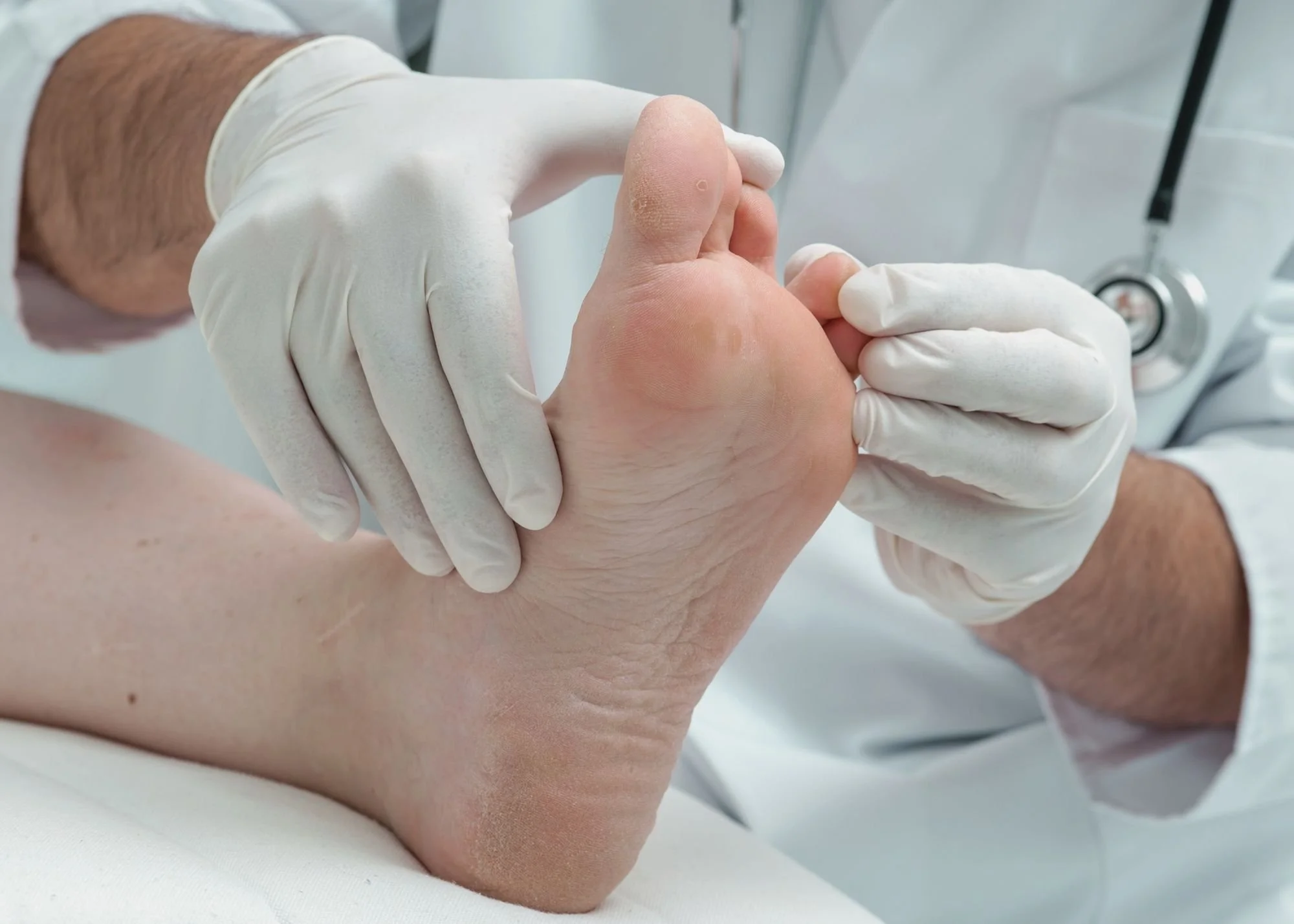
Corns and calluses are some of the most common skin conditions affecting the foot — and some of the most misunderstood. Most people assume they're the same thing, just in different sizes. They're not. They're different conditions with different causes, different appearances, and different treatment paths. Some types — like seed corns — are barely on most patients' radar at all.
Understanding what type of skin lesion you're dealing with matters because the wrong treatment makes things worse. Trying to "shave down" a wart thinking it's a callus, for instance, can spread the underlying virus. Cutting corns at home with diabetes can cause infections. The differences matter.
What Are Corns and Calluses?
Both are areas of thickened skin that develop in response to friction or pressure. The body produces extra layers of keratin to protect underlying tissue from repetitive stress. The protection is well-meaning — but when the thickening becomes excessive, it creates pressure of its own and starts to hurt.
Calluses are larger, broader areas of thickened skin that typically develop on weight-bearing surfaces (the heel, the ball of the foot, the underside of the big toe). They have less defined edges and usually aren't painful unless they become very thick.
Corns are smaller, more localized, and have a defined hard center surrounded by inflamed skin. They form in response to focused pressure, usually on or between the toes, and they're often painful because the central core presses into the underlying tissue.
The Different Types of Corns
Most patients are surprised to learn corns come in several distinct varieties:
Hard Corns (Heloma Durum)
The classic corn. Small, round, dense areas of thickened skin with a hardened center, usually on the top or side of a toe — most often the small fifth toe. Hard corns develop where bone is close to the skin and rubs against shoe leather. They're the most common type and often respond to footwear changes.
Soft Corns (Heloma Molle)
Develop between the toes — most often between the fourth and fifth toes — where moisture from sweat keeps the skin soft. Despite the name, soft corns can be quite painful, and the moist environment makes them more prone to infection. They appear whitish, rubbery, and macerated rather than hard.
Seed Corns (Heloma Milliare)
Tiny, often multiple, deeply embedded corns typically found on the soles of the feet — particularly on weight-bearing areas like the heel and ball of the foot. Seed corns appear as small, round, well-defined plugs of hardened skin, often clustered together. Many are painless, though larger ones can hurt with each step.
The cause of seed corns is debated. Some develop from blocked sweat glands; others appear to be small areas of focal pressure. They're often confused with plantar warts, which look similar but require different treatment.
Vascular and Neurovascular Corns
Less common but more painful types that contain dilated blood vessels (vascular) or extend into deeper nerve tissue (neurovascular). These bleed easily when trimmed and require careful management.
What Causes Corns and Calluses?
Friction and pressure are the underlying causes, but they show up through several pathways:
Footwear Issues
Shoes that are too tight, too loose, or too narrow
High heels that crowd the toes and shift weight to the forefoot
Worn-out shoes with collapsed cushioning or lining
Sandals or shoes that allow the foot to slide and rub
Going barefoot or wearing socks alone on hard surfaces
Foot Structure
Bunions and hammertoes that change pressure distribution
High arches that concentrate pressure on the ball of the foot and heel
Flat feet that create areas of friction during gait
Toe deformities that cause toes to rub against shoes or each other
Bone spurs underlying problem skin areas
Differences in leg length
Activity and Occupation
Long hours on hard surfaces
Sports involving repetitive impact on specific foot areas
Manual labor requiring specific footwear
Running gait abnormalities
Other Contributing Factors
Aging skin loses cushioning fat under the foot
Excess body weight increases pressure
Walking abnormalities (limping, asymmetric gait)
Sock issues (seams, bunching, ill-fitting)
Symptoms and When to Worry
Most corns and calluses present obviously — visible thickening of the skin in expected locations. Symptoms include:
Hardened, raised areas of skin
Thick, rough patches on weight-bearing surfaces
Tenderness or pain under the affected area
Skin that feels different (drier, harder) than surrounding tissue
A sensation of walking on a pebble (with deep corns)
Most aren't medically concerning, but watch for:
Sudden new corns or calluses without an obvious cause
Bleeding, drainage, or signs of infection
Growing or rapidly changing lesions
Pain disproportionate to the appearance
Lesions that recur quickly after treatment
Special Considerations for Diabetic Patients
For patients with diabetes or peripheral neuropathy, corns and calluses are not minor cosmetic concerns. The thickened skin can develop pressure ulcers underneath, leading to infections and complications that diabetic patients tolerate poorly. Self-treatment with over-the-counter products containing salicylic acid is contraindicated — these can cause chemical burns and ulcerations in patients with reduced sensation. Professional podiatric care is the standard.
Treatment Options
Conservative At-Home Care (for non-diabetic patients)
Soaking feet in warm water to soften thickened skin
Gentle exfoliation with a pumice stone after soaking (never aggressive shaving)
Moisturizing daily to prevent the surrounding skin from drying out
Wearing better-fitting shoes with adequate toe room
Using protective cushioning over corns to reduce friction
Wearing seamless socks that don't bunch
Professional Treatment
Podiatric treatment for corns and calluses typically includes:
Sharp debridement (carefully shaving down the thickened tissue) — quick, painless, and often dramatically relieves pressure
Identifying and addressing the underlying cause
Custom padding and toe spacers
Custom orthotics to redistribute pressure away from problem areas
Footwear recommendations and modifications
Treatment of underlying conditions like bunions or hammertoes
Surgical Correction
For corns caused by underlying bone deformities — like a hammertoe rubbing against shoe leather — surgical correction of the deformity may be the only way to permanently eliminate the corn. This is reserved for severe, recurrent cases where conservative treatment has failed.
Distinguishing Corns from Plantar Warts
Both can appear as small, raised, painful lesions on the foot. The key differences:
Corns have skin lines (dermatoglyphs) that continue across them. They hurt with direct pressure but typically not when squeezed from the sides.
Plantar warts interrupt the skin lines and often have small black dots (thrombosed capillaries) inside them. They typically hurt more when squeezed from the sides than with direct pressure.
When unsure, see a podiatrist before applying treatments. Salicylic acid for warts can damage healthy skin if applied to a misidentified callus, and shaving a wart can spread the virus.
Prevention
Wear properly fitting shoes — get measured periodically as foot size changes with age
Replace worn-out shoes before cushioning collapses
Use moisture-wicking, properly fitted socks
Address foot structural issues with orthotics if recommended
Treat bunions, hammertoes, and other deformities before they cause secondary problems
Moisturize feet daily to maintain skin elasticity
Inspect feet regularly, especially if you have diabetes
When to See a Podiatrist
Schedule an appointment if:
Corns or calluses are painful or limiting your activities
You have diabetes, neuropathy, or circulation problems
Lesions keep coming back despite home care
You're not sure whether you're dealing with a corn or a wart
There are signs of infection (redness, warmth, drainage)
Underlying foot deformities are creating recurring problems
At Table Mountain Foot and Ankle, we treat corns and calluses every day — and we focus on the underlying cause, not just the surface. Schedule an appointment to address chronic skin issues at their source.