Bunion Causes and Symptoms: Why They Form and How to Recognize Them
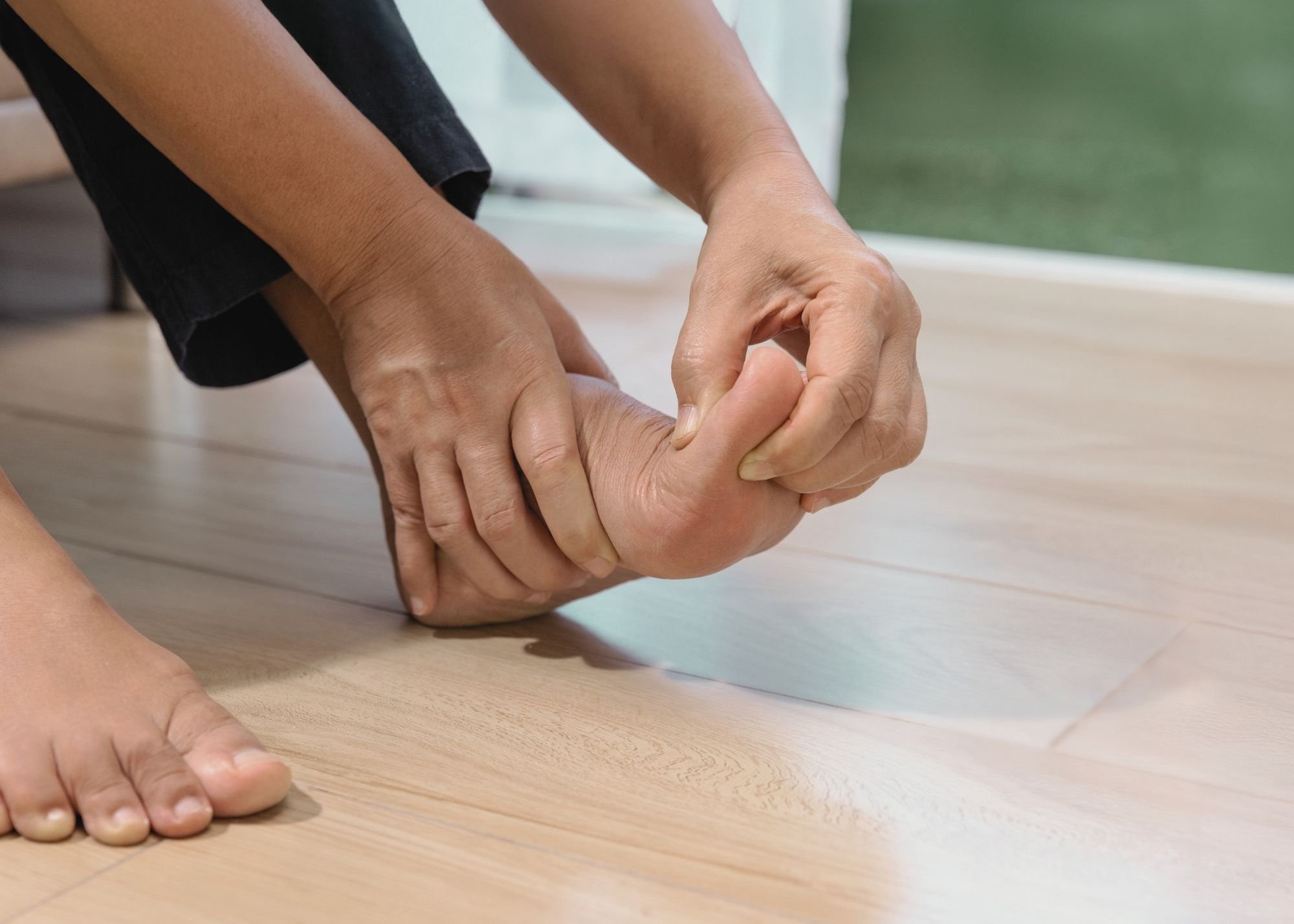
A bunion looks simple — a bony bump at the base of the big toe — but the deformity behind it is more complex than most patients realize. Bunions are a structural change in the foot that develops gradually over years, often beginning long before the visible bump appears. Understanding what causes bunions and recognizing the early symptoms helps you address them before they become disabling.
What Is a Bunion?
A bunion (medically known as hallux valgus) is a misalignment of the big toe joint. Two structural shifts happen simultaneously: the big toe drifts inward toward the second toe, while the long bone behind it (the first metatarsal) angles outward toward the inside of the foot. The visible "bump" is actually the head of that displaced metatarsal pressing against the skin.
Bunions are progressive. Without intervention, they tend to worsen over time, eventually causing the big toe to overlap or underlap the second toe and producing pain that can interfere with walking, exercise, and shoe choice.
What Causes Bunions to Form
Genetics and Foot Structure
The strongest predictor of bunion development is family history. If your parents had bunions, you're much more likely to develop them. What you inherit isn't the bunion itself but the foot structure that makes you susceptible:
Flat feet or low arches that increase forefoot loading
Hypermobile first metatarsal that shifts under pressure
Tight Achilles tendons or calf muscles that increase forefoot stress
Inherited foot shape (length and angle of metatarsal bones)
Footwear
Shoes don't cause bunions in feet that aren't structurally susceptible — but they accelerate the development in feet that are. The biggest culprits:
Pointed-toe shoes that compress the toes together
High heels that shift weight forward onto the forefoot
Shoes too narrow for the natural splay of the foot
Shoes that don't accommodate the actual width of the foot
This is why bunions are roughly 10 times more common in women than in men — a pattern strongly correlated with footwear choices over decades.
Other Contributors
Inflammatory arthritis (rheumatoid arthritis, psoriatic arthritis)
Previous foot injuries that altered alignment
Neuromuscular conditions affecting foot mechanics
Activities or occupations involving prolonged forefoot stress
Pregnancy (hormonal changes can loosen ligaments and contribute to foot widening)
Symptoms and Stages of Bunion Development
Early Stage
Many patients miss the early signs because they're subtle:
A barely visible bump at the inside of the big toe joint
The big toe pointing slightly toward the second toe
Mild discomfort after long days on your feet
A feeling that certain shoes are getting "tight" in the toe area
Calluses forming on the side of the big toe joint
At this stage, conservative interventions (footwear changes, orthotics, padding) can dramatically slow progression.
Moderate Stage
Visible bump at the base of the big toe
Big toe clearly angled toward the second toe
Persistent pain or aching, especially in shoes
Redness and swelling around the joint
Difficulty finding shoes that fit comfortably
Calluses on the bottom of the second toe (from altered weight distribution)
Occasional flare-ups of more intense pain
Advanced Stage
Severe deformity with the big toe overlapping or underlapping the second toe
Restricted big toe motion (sometimes limited to almost none)
Pain that limits daily activities
Secondary problems like hammertoes, corns, calluses
Inability to wear most shoes comfortably
Arthritis developing within the displaced joint
Bunionettes: Bunions on the Other Side
A "bunionette" or "tailor's bunion" is a similar deformity affecting the joint at the base of the pinky toe rather than the big toe. The name "tailor's bunion" comes from old-world tailors who sat cross-legged for hours, placing pressure on the outside of the foot. Causes and treatments overlap with regular bunions, though they're less common.
When to See a Podiatrist
Schedule an evaluation if:
You notice the early signs of a developing bunion
You have a family history of bunions and want preventive guidance
Foot pain is interfering with your activities or shoe choices
A bunion is causing secondary problems (hammertoes, calluses, gait changes)
Conservative measures haven't controlled symptoms
You're considering whether surgical correction is appropriate
At Table Mountain Foot and Ankle, we evaluate bunions across the full progression — from early-stage prevention to surgical reconstruction for advanced cases. For specific information on managing existing bunions, see our companion post on treatment options for bunions. Schedule an appointment to address bunions before they limit your activities.