Bunion Treatment Options: From Conservative Care to Lapiplasty® Surgery
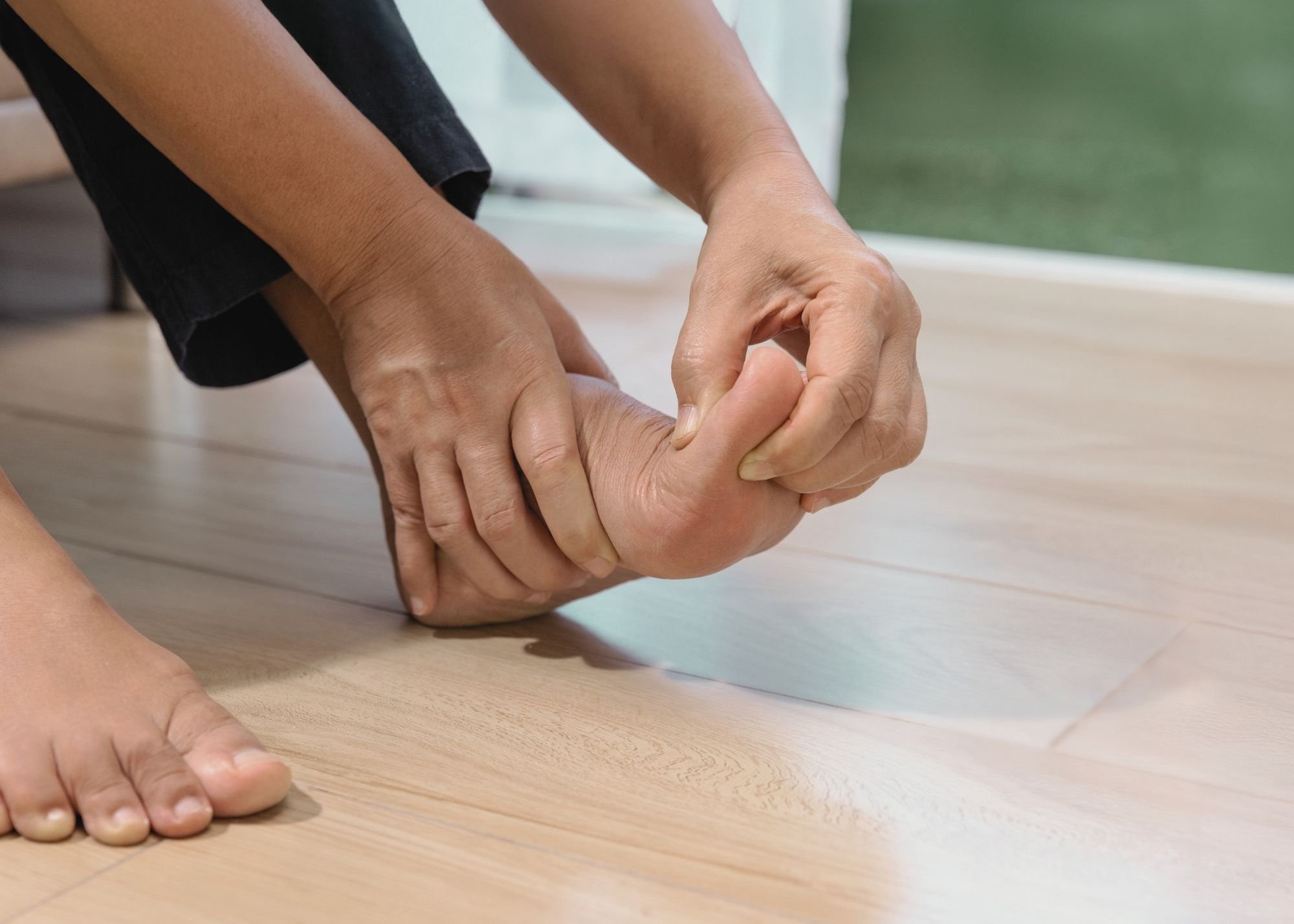
Once a bunion has formed, the question shifts from "what caused this" to "what do I do about it." The good news is that treatment options have expanded significantly in recent years — particularly on the surgical side, where modern procedures like Lapiplasty® offer faster recovery and more durable correction than older techniques. The right approach depends on the severity of the bunion, your symptoms, and your activity goals.
Conservative Treatment
Most bunions are managed without surgery, particularly in the early to moderate stages. Conservative care can't reverse a bunion — it won't straighten the toe — but it can slow progression, reduce pain, and prevent secondary problems.
Footwear Modification
Often the most impactful intervention. Look for:
Wide toe boxes that allow toes to splay naturally
Soft, flexible upper materials
Low or no heel
Adequate length (a thumb's width past the longest toe)
Removable insoles to accommodate orthotics
Patients often resist abandoning their preferred footwear, but the relief from properly fitted shoes is dramatic — and it's the single most controllable factor in managing bunion symptoms.
Custom Orthotics
Custom orthotics designed for bunion patients address the underlying mechanics that contribute to bunion progression — typically excessive pronation and arch collapse. Properly designed orthotics can significantly reduce daily pain and slow the rate of progression. Off-the-shelf insoles rarely provide the specific support needed.
Padding and Toe Spacers
Bunion pads cushion the prominent joint and reduce shoe friction. Toe spacers placed between the big toe and second toe help maintain alignment and prevent worsening of the deformity. Both are inexpensive and worth trying.
Splints and Night Braces
Worn during sleep, bunion splints hold the big toe in a more aligned position. Evidence on whether they actually slow bunion progression is mixed, but they can provide symptom relief and may help with associated soft tissue pain.
Anti-Inflammatory Medications
Over-the-counter NSAIDs (ibuprofen, naproxen) reduce pain and inflammation during flare-ups. They're appropriate for short-term symptom management but aren't a long-term solution.
Cortisone Injections
Direct injection of corticosteroids into the bunion joint can provide significant temporary relief from acute inflammation. Used selectively because repeated injections can weaken surrounding tissues.
Physical Therapy and Foot Exercises
Specific exercises strengthen the muscles that support proper toe alignment and improve flexibility. While they won't reverse a bunion, they can reduce symptoms and slow progression.
When Surgery Becomes the Right Answer
Bunion surgery is appropriate when:
Pain interferes with daily activities despite conservative care
The deformity is progressing despite intervention
You're developing secondary problems (hammertoes, severe calluses, altered gait)
Shoe options are increasingly limited
Quality of life is meaningfully affected
Surgery isn't typically performed for cosmetic reasons alone. It's a real procedure with a real recovery, and it's reserved for situations where the benefits clearly outweigh the costs.
Surgical Options
Traditional Bunionectomy
Older procedures (osteotomies of various types) cut the metatarsal bone and shift it into a more aligned position, typically held with screws or pins. Recovery involves 6-8 weeks in a post-operative shoe or boot, and bunion recurrence rates can be significant — particularly for severe deformities.
Lapiplasty
Lapiplasty is a modern bunion correction technique that addresses the root cause of the deformity rather than just the symptom. Traditional procedures correct the bunion in two dimensions; Lapiplasty corrects it in three — fully restoring the metatarsal's natural alignment.
The procedure uses precision instruments to realign the bone and stabilizes the correction with titanium plates. Compared to traditional osteotomies:
Earlier weight-bearing (typically within days, not weeks)
More durable correction with significantly lower recurrence rates
Faster return to normal shoes and activities
Three-dimensional alignment that addresses the actual cause
Lapiplasty isn't appropriate for every bunion — your podiatrist will evaluate whether your specific deformity is a good candidate.
Other Surgical Approaches
Depending on bunion severity, joint condition, and patient factors, other procedures may be appropriate:
Akin osteotomy (correction within the toe itself)
Joint fusion (for severe arthritis)
Joint replacement (in selected cases)
Combination procedures addressing multiple deformities simultaneously
What to Expect from Recovery
Recovery varies by procedure but generally involves:
Initial period in a surgical boot or shoe
Limited weight-bearing or full weight-bearing depending on procedure
Swelling that gradually resolves over months
Physical therapy or specific exercises
Gradual return to normal shoes (typically 8-12 weeks)
Return to full activities (3-6 months for most procedures)
Continued mild swelling for up to a year
Patient compliance with post-operative instructions is one of the strongest predictors of outcome. Rushing back too soon or ignoring weight-bearing restrictions compromises results.
When to See a Podiatrist
Make an appointment if:
Bunion pain is limiting your activities or shoe choices
You've tried conservative measures without adequate relief
You're developing secondary problems
You want to understand whether surgery is appropriate for your specific bunion
You've had previous bunion surgery and the deformity has recurred
At Table Mountain Foot and Ankle, we provide the full range of bunion treatments — from custom orthotics and footwear guidance to advanced Lapiplasty correction. To understand the underlying causes of bunions, see our companion post on bunion causes and symptoms. Schedule an appointment to discuss which approach fits your situation.